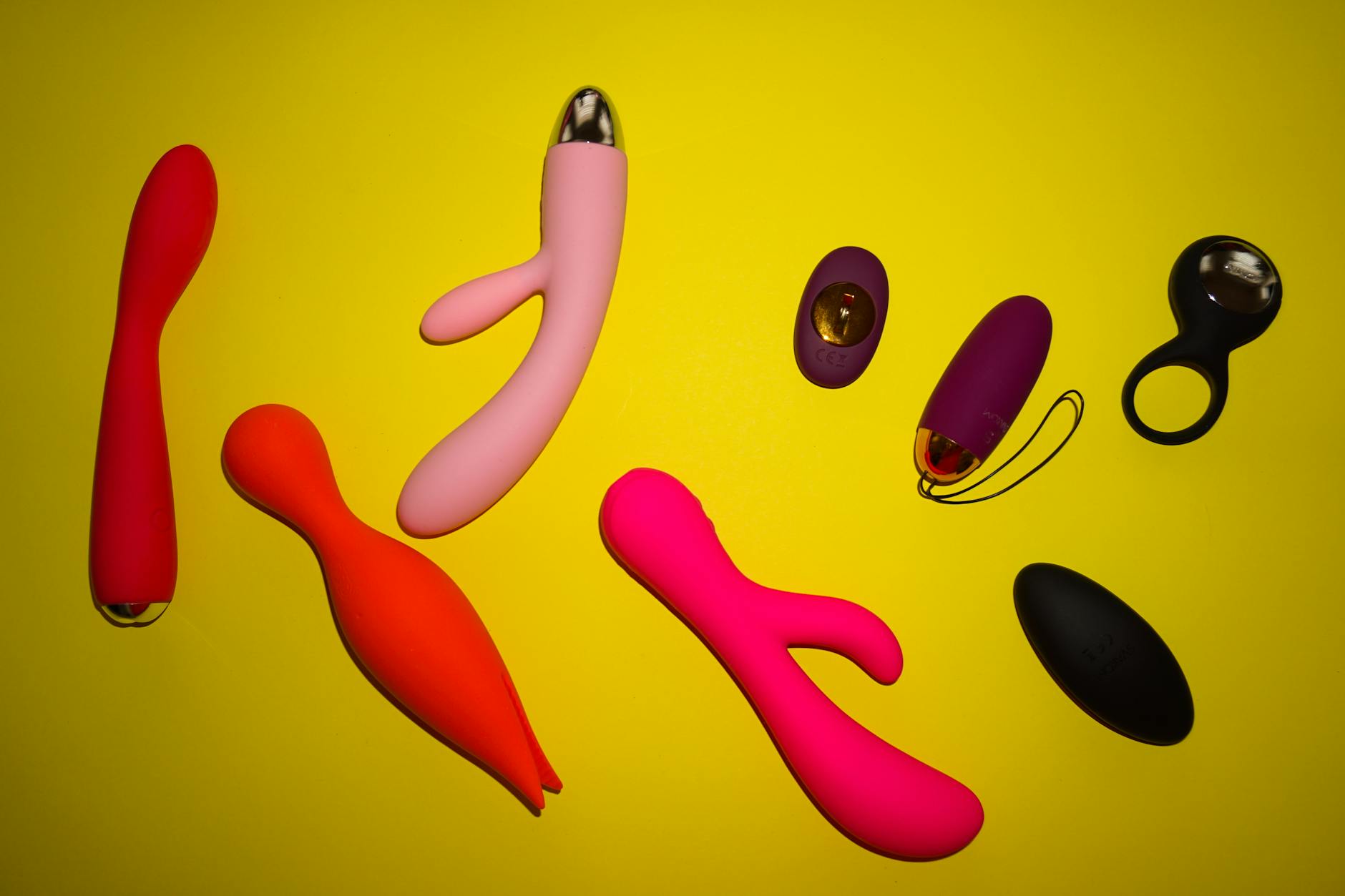
Let's talk about the weirdness of returning to solo play
Something shifts when you've spent years with a partner. Your body adjusts to someone else's touch, rhythm, timing. Then suddenly you're alone, and your hand feels unfamiliar. The sensation that used to feel electric now feels muted. That's not a problem with you. It's just how bodies adapt.
Here's what I tell clients in this exact situation: rediscovering solo pleasure isn't about going backward. It's about introducing yourself to your body again, on your own terms.
Why sensation feels different after partnership
When you're partnered, someone else is controlling the variables. They set the pace, the pressure, the timing. Your brain doesn't have to work as hard. It's delegated arousal to them. Then when that structure disappears, your nervous system has to re-learn how to self-generate excitement. This isn't laziness or a sign that something is broken. It's just adaptation.
Three things happen physiologically:
Your attention shifts inward. With a partner, you might be managing their pleasure, worrying about how you look, or tracking whether they're into it. Solo, your brain has space to notice your own sensation. That takes practice. The distraction was doing work you didn't realize.
Your touch expectations change. A partner's hands have a certain pressure, temperature, texture. Your own hands feel different. Lighter usually. Less surprising. A lemon vibrator fills that gap. It's external enough to feel new, responsive enough to feel personal.
Your arousal timeline gets faster or slower. This varies wildly. Some people find they need way more time to build sensation alone. Others find they come faster without the social negotiation of partnered sex.
Why a lemon clitoral vibrator works for this transition
The suction mechanism of a Lemon vibrator is particularly useful when you're rebuilding sensation after partnership. Here's why: it doesn't replace your hand. It partners with it.
You still control the pressure by how you position it. You still control the rhythm by how fast you move. But the device adds vibration and suction that your hand alone can't do. That external sensation component helps shock your nervous system back online. It's like the difference between reading about an experience and having one. The tool makes it real again.
The Lemon's gentler settings (patterns 1-3) are especially useful when you're first re-engaging. You don't want to numb yourself. You want to wake yourself up gradually. Start low. Let your body remember what it feels like to have sensation build.
The permission piece nobody talks about
Here's something I notice in my practice: people who transition from partnership to solo play often feel guilty about masturbation. Not consciously. But there's a whisper that goes, "Shouldn't I want to be partnered? Isn't solo play a consolation prize?"
It's not. Solo play is its own thing entirely. It's not less-than partnered sex. It's different. You get to set every variable. You don't have to worry about someone's else's pleasure or comfort. You get to be selfish in the most generous way possible. Your pleasure is the entire point.
My suggestion: frame this as reclaiming, not settling. You're not making do with a lemon clitoral vibrator until someone else shows up. You're choosing to prioritize your own sensation. That distinction changes everything.
How to actually use the Lemon for rebuilding sensation
Step 1: Start with intention, not pressure. Set 15 minutes aside. Not because you need to complete anything, but because you're creating space for this. Your nervous system needs to know you're not rushing.
Step 2: Build arousal first. Don't go straight to the Lemon. Spend 5-8 minutes on foreplay with yourself. Touch your body. Notice what feels good. This isn't wasted time. This is your nervous system warming up.
Step 3: Start on the lowest setting. Patterns 1 or 2. Position the Lemon against your clitoris but don't press hard. Let it rest there. Notice the sensation. Your body needs to remember what this feels like before you escalate.
Step 4: Move it slowly. Don't hold it still. Drag it, circle with it, experiment with angles. You're not trying to come. You're mapping sensation. This is exploration, not achievement.
Step 5: Notice when sensation peaks. After a few sessions, you'll realize there are specific angles, speeds, and pressures that light you up. Write them down if you need to. Your body is giving you information.
Step 6: Escalate gradually. Once you've mapped patterns 1-3 and figured out what your body responds to, try pattern 4. Not because you have to finish faster. Because you're ready to deepen the sensation.
What to expect in the first month
Some people come easily their first time using a lemon clitoral vibrator after years solo. Others need three, four, five sessions before their body fully wakes up. Neither is right. Neither is wrong. Your timeline is yours.
You might feel self-conscious the first few times. That's normal. You're relearning how to be alone with your body. That's vulnerable. Give it grace.
You might notice that your orgasms feel different than they did partnered. Shorter, longer, more diffuse, more intense. All of those are completely normal. Your body is recalibrating.
You might also realize you need longer warm-up time, or less, or you prefer a specific pattern that has nothing to do with intensity and everything to do with the rhythm. This is data. Keep it.
The emotional piece matters as much as the physical
I work with a lot of people rebuilding solo pleasure after long-term partnership, and they often say the same thing: "It feels selfish." Or, "I worry I'm getting too comfortable being alone." Those feelings are real. They're also worth examining.
Solo pleasure isn't selfish. It's maintenance. It's self-knowledge. It's also a completely normal part of having a body, whether you're partnered or not. People in healthy partnerships still masturbate. That hasn't changed. What's changed is that you have permission to prioritize your own sensation without it being part of a larger relationship negotiation.
If you're worried about "getting too comfortable" alone, that's a different conversation. It might be worth checking in with yourself about whether you're grieving the partnership, or whether you're discovering you actually really like solo play. Those need different responses.
When to reach out for support
If after several weeks of using a Lemon vibrator, sensation still feels completely absent or numb, that's worth mentioning to a healthcare provider. Emotional numbness can sometimes show up as physical numbness. Depression, grief, anxiety about the transition. All of that can mute sensation. A therapist, not just a doctor, might be the right person to start with.
If you're feeling ashamed or stuck in a loop of guilt about solo play, that's also worth exploring with someone. Those feelings often come from stuff way older than your recent partnership. A good therapist can help you untangle it.
If you're having pain, stop. Pain is information that something isn't working. It's not something to push through with a more powerful lemon vibrator. It's a sign to slow down or get professional input.
FAQ: Returning to solo play after partnership
Can I use a lemon vibrator if I haven't masturbated in years?
Completely yes. Your body doesn't forget how to have pleasure. It just gets quiet. A Lemon vibrator can help wake that up. Start gentle. Let your nervous system adjust. There's no "right" way to rebuild this.
How long does it take to feel sensation again?
That varies wildly depending on how long you were partnered, whether there's grief or relief involved, and how your nervous system processes transition. Expect a few weeks to a few months for sensation to feel fully normal again. Some people report that their solo pleasure actually becomes richer after the adjustment period.
Is it normal to need longer warm-up now?
Completely normal. Your body might be taking time to rebuild that internal arousal engine. You're not broken. You're adjusting. Give yourself the time. Use it. Longer foreplay isn't a downgrade. It's an invitation to know your body better.
What if I feel guilty using a toy?
That feeling is worth examining, but it's not a reason to stop. Guilt often comes from old messages about bodies, pleasure, or what's "appropriate." Those messages were wrong. Your pleasure is appropriate. A lemon clitoral vibrator is just a tool. Using it is an act of self-care.
Should I tell new partners that I'm using toys?
That's your choice entirely. Some people find that mentioning they're getting comfortable with solo pleasure early actually opens better conversations about partnered pleasure later. Others prefer to keep that private. Neither is wrong. Do what feels right for your boundaries.
Can I use a Lemon vibrator with a partner eventually?
Absolutely. Actually, rediscovering solo pleasure often makes partnered sex better. You know what you respond to. You can communicate it. You're less dependent on your partner to create all your sensation. That actually takes pressure off both of you.
The real work is reclaiming your own touch
Using a lemon clitoral vibrator after years with a partner isn't about replacing partnership with a toy. It's about building a foundation of solo sensation that makes you whole on your own. That confidence, that self-knowledge, that trust in your own body. Those carry forward into whatever comes next. Whether that's another partnership or a lifetime of solo pleasure.
Your body hasn't forgotten how to feel good. It's just been quiet. A Lemon vibrator is an invitation to speak again. Listen to what it says. You already know the language. You're just remembering.
If you're navigating this transition and want to explore more about rebuilding intimacy in new contexts, check out our guide on how lemon vibrators improve intimacy when you feel disconnected from pleasure. You might also find it useful to read about how to use a lemon vibrator when pleasure feels disconnected after years solo if you're navigating the opposite transition.
Your pleasure matters. Your body matters. And you deserve to know both completely.