Let's start here: you're not broken
Faking orgasms is not a character flaw. It's a survival mechanism. At some point, someone made you feel like your actual pleasure response was too slow, too quiet, too demanding, or not dramatic enough. So you learned to perform. Your body learned a different language than the one your nervous system actually speaks. And now, even alone, your body doesn't know how to tell the difference between what it's supposed to feel and what it actually feels.
That disconnect is the real issue. Not your capacity for pleasure. Not your body.
What happens in your nervous system when you fake it
Every time you perform an orgasm, you're teaching your parasympathetic nervous system a lie. Your body learns: arousal plus pressure plus time equals orgasm, regardless of whether your clitoris is actually getting what it needs. You're essentially training yourself to come on command rather than on sensation.
After years of this, something weird happens. Real pleasure gets confusing. When you're actually aroused and your body is sending the right signals, your brain is still waiting for the performance cue. You're caught between two scripts.
I see this in my practice constantly. Women describe feeling "numb" or "disconnected" during sex, even when it's good. That's not numbness. That's dissociation from performance mode. Your body went somewhere else so your brain could manage the act.
The three things that need to rewire
Your awareness of sensation. You stopped paying attention to what your body actually feels like. The goal here is not a bigger orgasm. It's noticing. Noticing anything. A tingle. A twitch. Warmth. Dryness. The small honest signals your body sends before you override them with performance.
Your pace. Faking teaches you speed. Real pleasure often needs slowness. Actual arousal builds differently than performed arousal. It's quieter at first. It doesn't follow a dramatic arc. Learning to recognize and trust slow signals is foundational.
Your permission to not come. This one surprises people, but here's the reality. If you remove the expectation of an orgasm, your body gets a chance to remember what pleasure actually is without the performance pressure. Sometimes you'll feel a lot and not orgasm. That's not failure. That's your nervous system starting to tell the truth.
Start with solo exploration, no timer
I recommend my clients begin alone for a specific reason: there's no one to convince. No one to worry about. No timeline pressure.
Set aside time with zero expectation of outcome. Not "trying to have an orgasm." Not even "trying to feel something." Just touching yourself with genuine curiosity about what your body actually does when you're not performing.
Notice: What gets a response? What feels like nothing? Where does pleasure come from in your body? Is it always the clitoris? Sometimes deeper? Does it change depending on time of day, stress, what you've eaten?
Most people haven't asked themselves these questions since adolescence. You might feel awkward. You might feel nothing for a while. Both are normal. You're essentially asking your body to speak in its own voice after years of lip-syncing.
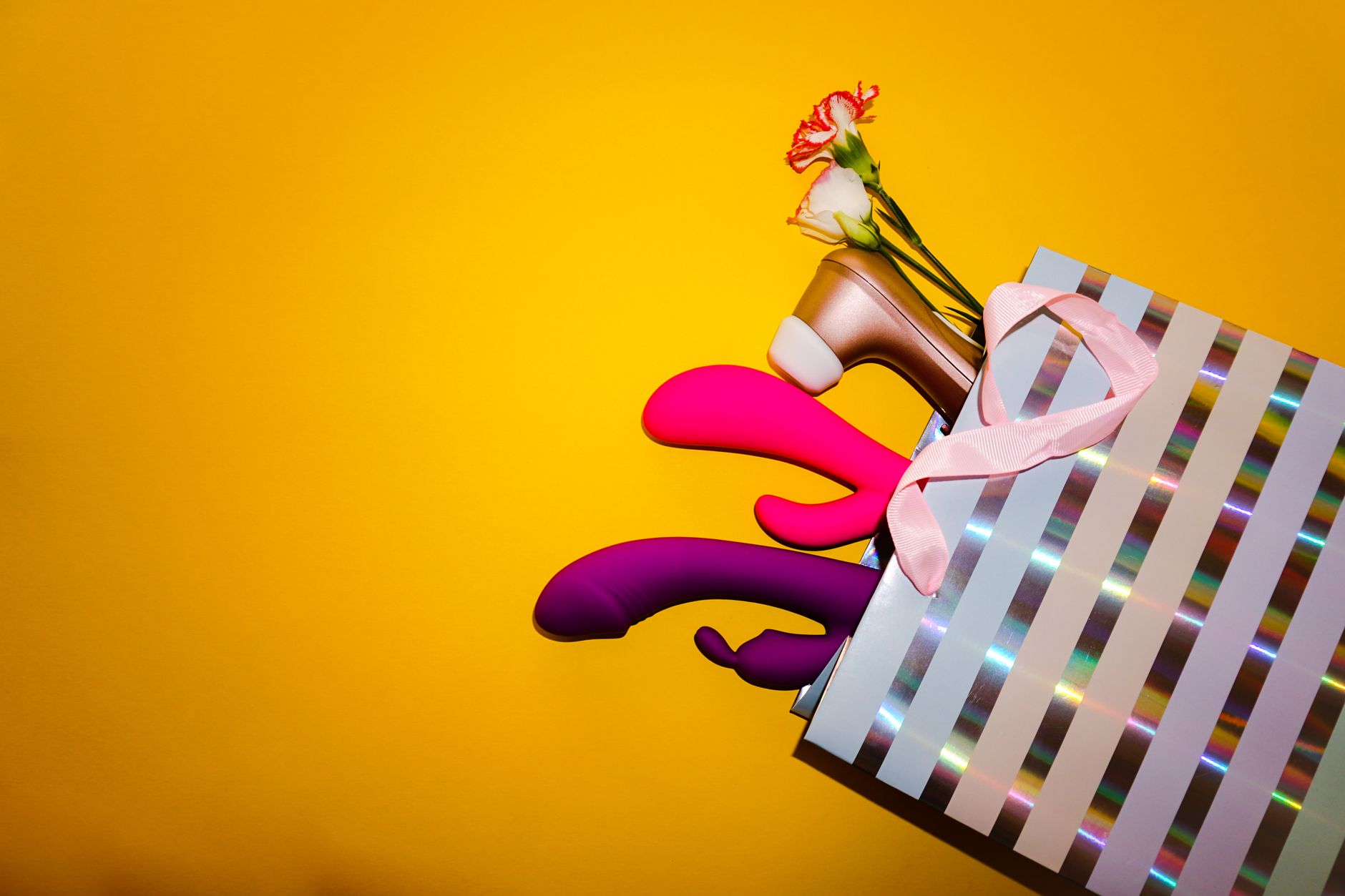
A clitoral vibrator like the Lem is useful here, not because it's a magic solution, but because suction-based stimulation gives your body a very clear, consistent signal. It's harder to perform with. Your body either responds or it doesn't. The sound, the sensation, the rhythm are all external and unmistakable. That removes the ambiguity that makes faking easier.
Reframe what pleasure actually is
Here's what I tell my clients: pleasure is not the eight-second peak of an orgasm. That's one small piece. Real pleasure is a much larger spectrum.
It's the relaxation that comes from being genuinely touched. It's the warmth of arousal building in your belly. It's the specific ache of wanting something. It's the electrical snap of a nerve responding. It's the peace of finishing and feeling satisfied, even if there was no orgasm. It's the connection of being fully present with someone.
Faking taught you that pleasure is a performance metric. It's not. It's information. Your body telling you what feels good, what doesn't, what you need, what you're ready for.
When you start noticing these smaller, quieter signals, you're not training for bigger orgasms. You're learning to read your own body. And that skill changes everything in your sex life, whether you're alone or with a partner.
How to communicate this to a partner
If you're in a relationship, at some point you'll need to tell your partner the truth: you've been faking, and you want to reconnect with what actually works for your body.
This is not a relationship problem. This is a gift you're giving both of you. Real pleasure is so much better than performed pleasure.
Here's what I recommend saying: "I want to be more honest about what actually feels good for me. That might mean changes in how we do things. I'm not trying to fix anything you're doing. I'm trying to be more present and real. Will you explore this with me?"
Good partners will. If your partner responds with defensiveness or pressure to go back to performing, that's important information about whether this relationship has room for your actual needs. But most partners, when they understand it's not about them, are relieved. They've probably sensed the performance too.
Since you've been checking in with their concerns about lemon vibrators before, you already know how to frame this as deepening connection, not threatening it.
Why the right tool matters
I mention the Lem specifically because it works differently than traditional vibrators. Suction-based lemon clitoral vibrators don't rely on you controlling the sensation or performing arousal. They create a consistent, unmistakable pressure that your nervous system either responds to or it doesn't.
That honesty is exactly what you need while rebuilding pleasure confidence. You can't fake a response to a Lem. Your body will tell you if it's working.
There's also research showing that clitoral vibrators with suction patterns are particularly effective for people who have spent years disconnected from their bodies. The sensation pattern is novel enough that it interrupts old nervous system patterns. It forces attention.
The timeline is not linear
Some days you'll feel everything. Some days you'll feel nothing. Your nervous system is learning a new language. That's not inconsistency. That's integration.
Weeks one through four will probably feel strange. You're paying attention to sensation you've trained yourself not to notice for years. Your body will be confusing. Stick with it.
Weeks five through twelve, things start clicking. You'll recognize patterns. You'll notice what actually works. Your nervous system will start generating authentic pleasure signals instead of waiting for the performance script.
After three months of consistent solo practice, you'll have rebuilt enough awareness that partnered sex becomes a different conversation. You'll know what you actually need. And that knowledge is power.
The real shift
Honest pleasure is quieter than performed pleasure. It's not showy. It's not dramatic. It doesn't require an audience. It's just you and your body having an actual conversation.
That conversation is worth every awkward moment of rebuilding. Because authenticity in sex is not just better for your pleasure. It transforms your sense of safety with your own body. And that transfers everywhere.
You're not learning to have better orgasms. You're learning to trust yourself. Everything else follows.
People also ask
How long does it really take to stop faking and feel authentic pleasure?
Three to four months of consistent solo practice before partnered exploration feels safe. But honest signals can appear in weeks. You might notice your body responding differently to touch after just a few weeks of intentional attention. The timeline depends on how many years you've been performing. Someone who faked for five years needs less rewiring than someone who faked for twenty. But the mechanism is the same.
Can a partner help with this, or does it have to be solo first?
Solo first is better. Your partner can't help your nervous system learn to speak its own language if an audience is present. Once you've spent a few weeks alone rebuilding basic sensation awareness, partnered exploration becomes more authentic. But trying to fix this with a partner as the primary focus usually just recreates the performance dynamic. Solo practice breaks that pattern.
What if I try this and still feel nothing?
Then you have data. That data is valuable. It might mean the vibrator isn't the right tool for your body. It might mean you need longer to decompress from performance mode. It might mean a medical issue needs attention. But feeling nothing is not failure. It's information. If you genuinely feel nothing after four weeks of daily practice, that's worth mentioning to a doctor who specializes in sexual health.
Is this about having better orgasms or just feeling something?
It's about authentic sensation, which is different from performance sensation. That authenticity sometimes leads to bigger orgasms. Sometimes it leads to smaller, more satisfying ones. Sometimes it leads to pleasure that's not orgasm-shaped at all. The point is that you're not faking anymore. You're not managing an audience. You're just experiencing what's actually happening in your body.
How do I know if my partner will be supportive about this?
You don't until you tell them. But framing matters. "I want to be more present and honest with you" is different from "I've been faking." Most partners respond well to the first frame because it's about deepening connection. If your partner responds with anger or demands to know exactly how many times you faked, that's a sign that rebuilding pleasure confidence might require relationship work alongside sexual work.
Can you do this without a vibrator?
Yes. Hands work. Water works. Time and attention work. Vibrators are a tool, not a requirement. But they're useful because they create consistent sensation that's hard to perform with. That clarity helps your nervous system learn faster. If you prefer not to use one, solo exploration with just your hands is still valuable. It's slower, but it's still rewiring.
The path forward
You spent years teaching your body that pleasure is a performance. You can spend the next few months teaching it that pleasure is a conversation. One requires an audience. The other requires only honesty.
Your nervous system hasn't forgotten how to feel. It just got very good at pretending. That skill can be unlearned. And when it is, sex transforms from something you do for someone else into something you do for yourself. And maybe, eventually, for someone you trust enough to be fully honest with.
That's the real pleasure shift. Not bigger orgasms. Being real.