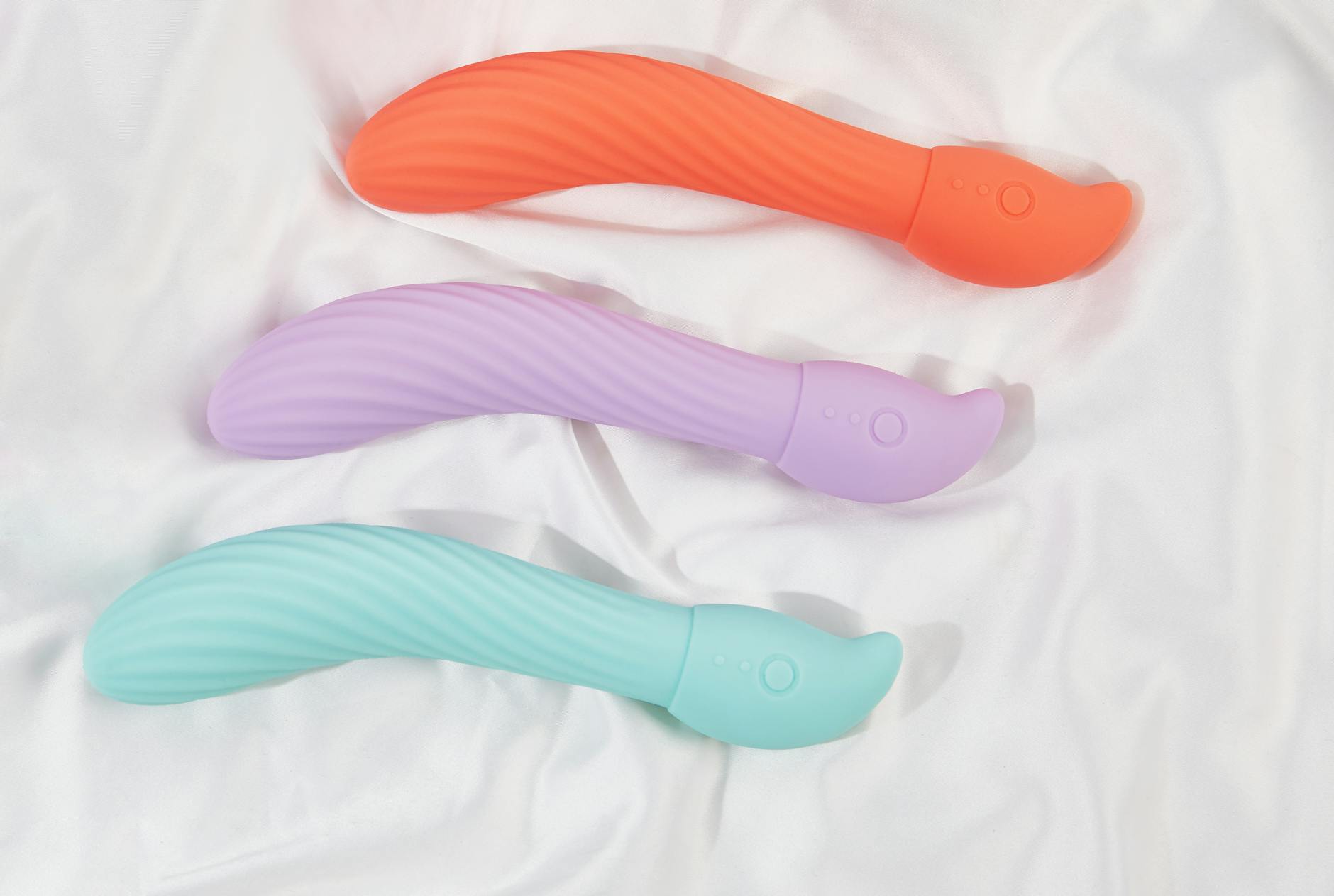
The actual problem isn't the vibrator
Let's be real. When someone's partner says they're "not comfortable" with toys, what they often mean is: "I think this means you're not satisfied with me" or "I worry you'll like this more than you like me" or sometimes just "I don't know what toys are for and the idea feels weird."
The resistance usually isn't about lemon clitoral vibrators themselves. It's about what they believe the toy represents. Your job isn't to convince them the toy is great. Your job is to separate the pleasure tool from the relationship narrative they've built around it.
Why partners get skeptical in the first place
Most people grew up with zero language for pleasure that wasn't partnered. If you learned that sex exists for intimacy or procreation, then a toy looks like a solo activity. A replacement. A threat.
Add to that the fact that penetration-focused sex is what people know, and a clitoral vibrator like a Lem becomes even more confusing. How does it fit? What's it for? Why would you need it if we're together?
These questions aren't stupid. They're just asked from incomplete information. Your partner isn't broken for feeling uncertain. They just need a reframe.
How to start the conversation without triggering defensiveness
Timing matters here. Not during sex, not when either of you is stressed or tired. Pick a moment when you're both relaxed, maybe on the couch, somewhere low-stakes. The goal is information sharing, not persuasion.
Start with curiosity about them, not about the toy. "I've been thinking about pleasure lately, and I realized I don't actually know what you think about using toys together. Not judgment. I'm actually curious what your hesitation is."
That invitation gives them space to name what they actually believe. Let them talk. Don't interrupt to argue. Just listen.
If they say something like "I think it means you're not happy with me," the response isn't "That's silly." It's: "I get why you'd feel that. And I actually think it's the opposite. It's because I'm already comfortable with you that I want to explore more."
Reframe it as expansion, not replacement
Here's the core message that actually lands with skeptical partners: toys add to what you already have. They don't replace anything.
When you use a lemon sucker like the Lem, you're not choosing the toy over your partner. You're choosing better orgasms during partnered sex. That's different. A clitoral vibrator can absolutely be part of what you do together.
Many partners get curious once they understand that. The Lem isn't designed for solo use only. It works brilliantly during partnered sex, during foreplay, during penetration. It's not a replacement for intimacy. It's a tool that changes what intimacy can feel like.
If your partner likes the idea of you having better orgasms, then the tool becomes less about "what this means" and more about "what this does."
The conversation about control and agency
Some resistance comes from a genuine place of concern: "Will this hurt us?" That deserves a direct answer.
The truth is that most couples who introduce toys together report the experience brings them closer. Not farther apart. Why? Because it requires communication. It requires someone saying "I like this," which many partners never hear clearly during regular sex.
Tell your partner: "I want to explore this, and I want to do it with you. Not instead of you. With you." That's agency, and most people respect it.
If they say no, that's their boundary and it's worth respecting. But most people say no because they don't understand yet. Once you've explained what a lemon clitoral vibrator actually does and how you want to use it, many partners shift from "no way" to "okay, I'm willing to try."
How to introduce the actual product without shame
Don't sneak it out of a drawer. Don't pretend it's something else. Just show them.
"This is a Lem. It's a clitoral vibrator, and it's honestly become a big part of what feels good for me. I want to use it when we're together, not instead of being together." Simple. Direct. No apology.
Let them ask questions. "How does it work?" "Where does it go?" "Does it hurt?" Answer them like you'd answer any question about your body.
If they seem interested, show them the settings. Lemon vibrators like the Lem usually have multiple patterns and intensities. Demonstrate on your wrist or your arm. It's not threatening when you're not using it on yourself yet. It's just a device. You're just showing them how it works.
The first time together
Don't make the first partnered experience about proving something. Make it playful.
Start with something they're already comfortable with, foreplay that doesn't involve the toy yet. Let them initiate bringing it in, if possible. "Should we try it now?" gives them agency.
When you do use it, stay present with your partner. Make eye contact. Let them see your pleasure. This is the anti-solo moment. You're having an experience together, and they're witnessing that it makes you feel good.
Many skeptical partners become enthusiastic partners after one good experience. The toy isn't threatening once it's real and happening together.
What if they still say no?
That's a boundary. Respect it. But also know that boundaries can shift with time and information.
You don't have to choose between your pleasure and your relationship. But you do have to be honest about what you want and why. If a clitoral vibrator is important to you, it's fair to say that. If your partner knows how much it matters and still refuses, that's information about compatibility. Not about you being wrong.
Most of my clients who've had this conversation found that their partners were more flexible than they expected. The resistance was just about fear and misunderstanding. Once that cleared, curiosity took over.
The deeper truth
Partners who resist toys often have other communication gaps. They might not know what their partner actually wants. They might not feel confident about pleasure in general. The toy becomes a symbol of something bigger.
This conversation is an opportunity to fix that. To say clearly: "Here's what feels good. Here's what I want. Here's how you fit into that."
Most relationships get stronger on the other side of that honesty. Even if your partner never becomes a toy enthusiast, the fact that you could talk about pleasure clearly together changes everything else.
FAQ
How do I know if my partner is genuinely not interested or just scared?
People who are genuinely not interested will say "I don't want to" and hold that boundary calmly. People who are scared often say "I don't want to" but their tone carries anxiety or defensiveness. They might say things like "That's weird" or "We don't need that." Those are fear statements. With a genuinely uninterested partner, the "no" is final. With a scared partner, curiosity and patience usually cracks the shell.
Should I use the vibrator by myself first or wait to introduce it with my partner?
Both work, depending on your relationship. Some partners feel less threatened if you've already explored it alone and can explain what you like. Other partners prefer to discover it together. You know your partner best. What matters is that you're not hiding it. Transparency builds trust faster than surprises.
What if my partner wants to use the lemon vibrator on me but I feel awkward being watched?
That awkwardness usually fades after the first time. Your partner using a clitoral vibrator on you is a gift. They're paying attention to your pleasure. Let yourself be vulnerable for a minute. Most people find that the awkwardness disappears the moment the vibration starts and they realize how good it feels.
Can I suggest we try a lemon sexual toy without making it seem like I'm unhappy with our sex life?
Absolutely. "I've been reading about pleasure and I'm curious to explore more together. I'm not saying anything is wrong now. I'm saying I want to make something good even better." That's honest and it doesn't land as criticism. It lands as invitation.
My partner thinks the Lem is for solo use only. How do I explain it works for couples?
Show them. Don't just tell them it works during partner sex. Actually incorporate it into foreplay or penetrative sex. Lemon clitoral vibrators are designed to work during partnered intimacy. Let your partner see that in action. One experience is worth a thousand explanations.
What if my partner thinks toys are emasculating?
That belief usually comes from insecurity about being "enough." The antidote is reassurance plus action. "I want this because it feels amazing, and I want to share that amazing feeling with you. That has nothing to do with you and everything to do with my body and what brings me pleasure." Then show him you still want him. During sex. After sex. In conversation. A vibrator doesn't threaten closeness. Distance and shame do.
Let's wrap this up
Skeptical partners aren't impossible. They're just people who grew up with incomplete information about pleasure. You have the chance to change that. To show them that tools aren't threats. That better orgasms for you mean better intimacy for both of you.
Most people, once they understand what a lemon clitoral vibrator actually is and how you actually want to use it, become genuinely curious. The resistance was never really about the toy. It was about fear of what the toy meant.
Take that fear seriously. Listen to it. Then gently show them that their fear was based on a story that isn't true. You're not choosing a device over them. You're choosing pleasure. And you want them to be part of that.
If you're feeling stuck in this conversation, reach out to us. We're here to help couples navigate exactly this kind of transition.