Here's the thing about refractory periods
After an orgasm, most bodies need time to recover before they can come again. That recovery window is called the refractory period, and it's wildly different from person to person. One partner might be ready for round two in five minutes. The other might need thirty, or more. When you're in bed together, mismatched timings create an awkward choice: one person waits (bored, or worse, watching), or one person goes solo (which defeats the whole point of being together).
This is one of the most common relationship friction points nobody talks about. It's not a dysfunction. It's just biology being unequal.
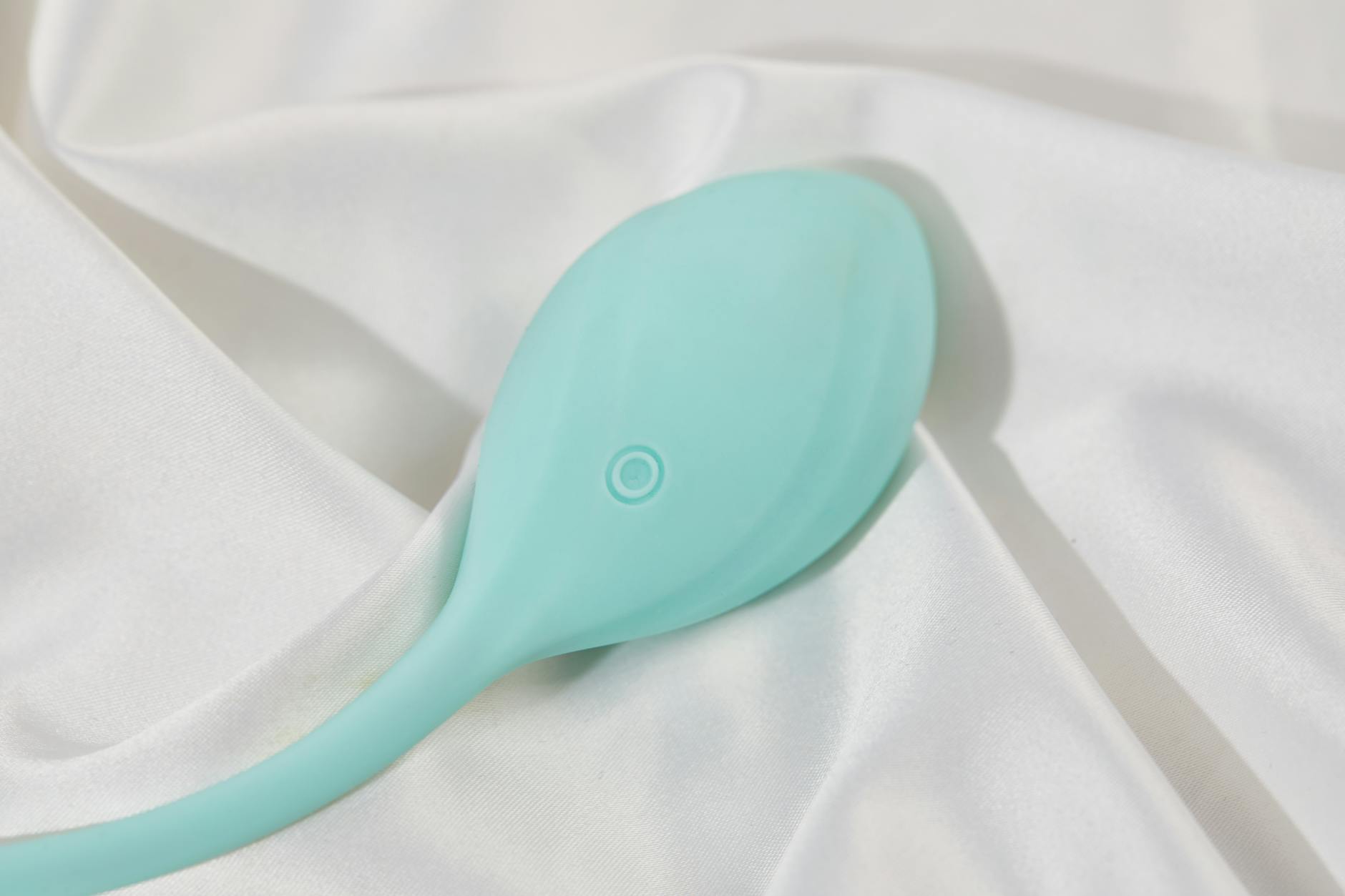
A lemon vibrator, specifically one like the Lem, changes that equation entirely.
Why refractory periods exist in the first place
After orgasm, the nervous system needs to reset. Your heart rate drops. Your blood pressure falls. Prolactin (a hormone released during climax) rises, and prolactin literally signals satiation to the brain. For people with penises, the refractory period is often biological fact. For people with vulvas, it's more fluid—sometimes non-existent, sometimes hours long—but still real.
The length depends on age, hormone levels, health, fitness, even stress. Two people at dramatically different life stages (one in their thirties, one in their fifties) often have refractory periods that barely overlap. Throw in medication, sleep debt, or chronic stress, and the gap widens.
Most couples adapt by either having sequential sex (one person, then the other) or they skip the second round altogether. Both are functional. Neither feels like connection.
How a lemon clitoral vibrator bridges the gap
A lemon vibrator—the suction-based kind—works on a different pleasure pathway than partnered sex. When one partner is in their refractory period and physically can't sustain arousal through penetration or friction, they can still respond to suction stimulation.
Here's why: suction bypasses the friction fatigue that makes continued penetration uncomfortable post-orgasm. It doesn't require the same rapid blood flow responses. It stimulates the clitoral nerve endings through a gentler pressure mechanism. In short, the body recovers faster to suction than it does to conventional penetration.
This means the partner still in recovery can hold a lemon vibrator, experience pleasure, and stay connected to the moment without waiting. Or their partner can use it on them while they're still coasting down, and they can build back up at their own pace.
It's not a workaround. It's a third option.
The practical rhythm that changes everything
Let me walk you through how this actually works in a real sequence:
Partner A has an orgasm. They're satisfied but their body needs time. Normally, Partner B would either wait or shift to solo play.
Instead: Partner B takes the Lem and uses it on Partner A while they're still breathing hard. Because the sensation is different—gentler, less friction-heavy—Partner A doesn't feel oversensitized or irritated. They can receive. Sometimes they'll climb back to another orgasm. Sometimes they'll just enjoy the sensation and the continued closeness.
Meanwhile, Partner B is getting visual and tactile engagement. They're touching their partner, watching them respond, staying in the moment. That's not a compromise. That's intimacy.
When Partner A is recovered enough to engage actively again, the rhythm has naturally reset. Nobody has sat waiting. Nobody has felt left out.
Why this changes the relationship dynamic
Mismatched refractory periods don't just create physical awkwardness. They create emotional residue. The faster partner feels abandoned. The slower partner feels pressure. Over time, couples just stop trying for multiple rounds, which compresses their sexual repertoire and often their sense of connection.
When you solve the timing problem with a tool like a lemon clitoral vibrator, you solve the emotional problem too. Suddenly, both people can stay present. Both people can keep receiving pleasure. The gap stops feeling like rejection and starts feeling like a natural rhythm you can move through together.
In my practice, I've watched couples rediscover playfulness once they stopped treating mismatched refractory periods as a problem to manage and started treating it as a design challenge to solve.
The role of communication
None of this works without talking about it first. Introducing any pleasure tool—especially into a moment that's already awkward—requires consent and clarity.
Start outside the bedroom. Say something like: "I've noticed we sometimes don't stay connected after one of us comes. I'm not saying anything's wrong. I'm thinking about ways we could play longer together without it feeling forced." Then listen. Your partner might have had the same thought. They might have felt exactly what you felt.
Then propose: a lemon vibrator, used in a way that keeps you both in the moment. Make it about staying together, not about fixing anybody.
When you frame it that way, most partners are curious. And curiosity usually leads to willingness.
When suction works better than friction, anyway
There's a secondary benefit here that's worth naming: for some people, suction-based stimulation from a lemon vibrator feels better than friction full stop. The refractory period gap is real, but even if both partners had identical recovery times, the Lem might still be the tool of choice because it's simply more pleasurable.
If you're exploring a lemon clitoral vibrator for the first time specifically because of timing mismatches, it's worth experimenting with it in other moments too. You might find it becomes part of your regular rhythm, not just a gap-filler.
What to actually try
Here's the tactical version:
Start at low intensity. If your partner is already hypersensitive post-orgasm, even pattern 1 on the Lem might feel like too much. Respect that. Work your way up.
Focus on the side or perimeter of the clitoris first, not the direct tip. Direct stimulation when someone's in recovery often feels sharp rather than pleasurable.
Watch their breathing and body language more than you usually would. They'll tell you when the sensation shifts from annoying to interesting.
Remember: this isn't performance. If they'd rather just cuddle and recover, that's completely valid. The point is that the option exists now.
FAQ
How long is a typical refractory period?
It varies wildly. For people with penises, it's usually 5 to 30 minutes after orgasm, sometimes much longer depending on age and health. For people with vulvas, refractory periods can be nonexistent, or they can stretch for hours—and they're less consistent. Age, hormones, medications, and stress all shift the timeline.
Can using a lemon vibrator during someone's refractory period actually lead to another orgasm?
Yes, often. The reason is that suction stimulation doesn't create the friction fatigue that makes continued penetration uncomfortable. That said, some bodies will prefer to just receive sensation and rest. Both are completely normal. The goal isn't mandatory multiple orgasms—it's staying connected.
Does this only work for people with vulvas?
No. People with penises can have extended refractory periods too, especially as they age. If that's your dynamic, a lemon vibrator can work on external stimulation in ways that keep your partner engaged while they're recovering. Different pleasure pathway, same principle.
What if my partner feels weird about using a toy when they're already satisfied?
That's common. Reframe it: it's not about chasing another orgasm or proving anything. It's about staying in the moment together and enjoying sensation without pressure. Start by using it on yourself while they watch, so they see it's not clinical or transactional. Let them get curious first.
Should I introduce this when we're actually having sex, or talk about it first?
Absolutely talk about it first. Pulling out a toy mid-moment—especially in a moment that's already a bit awkward—can feel jarring. Have the conversation when you're both clothed and calm. Frame it as "I want us to stay connected longer, and I found a way we could do that." Then, if they're into it, you can plan to try it next time.
Does the Lem really feel that different from other vibrators?
Yes. Suction-based stimulation activates different nerve endings than buzz or vibration alone. For people in a refractory period specifically, that difference often means they can receive pleasure when they otherwise couldn't. It's not just a marketing difference—it's a physical one.
The real win
Mismatched refractory periods are a fact of coupledom, not a sign that something's broken. But when you stop treating them as an obstacle and start treating them as a design problem, everything shifts. A lemon vibrator isn't a band-aid. It's a tool that lets both of you stay present in a moment that used to feel fragmented.
That presence, that continued connection, is where the real pleasure lives. The orgasm is the punctuation mark. The foreplay is the story.
If you want to explore how pleasure tools fit into your relationship, or if you're navigating timing mismatches that feel bigger than just sex, that's exactly what I help couples work through. Get in touch at Hello Nancy and we can talk through what might work for your specific situation.