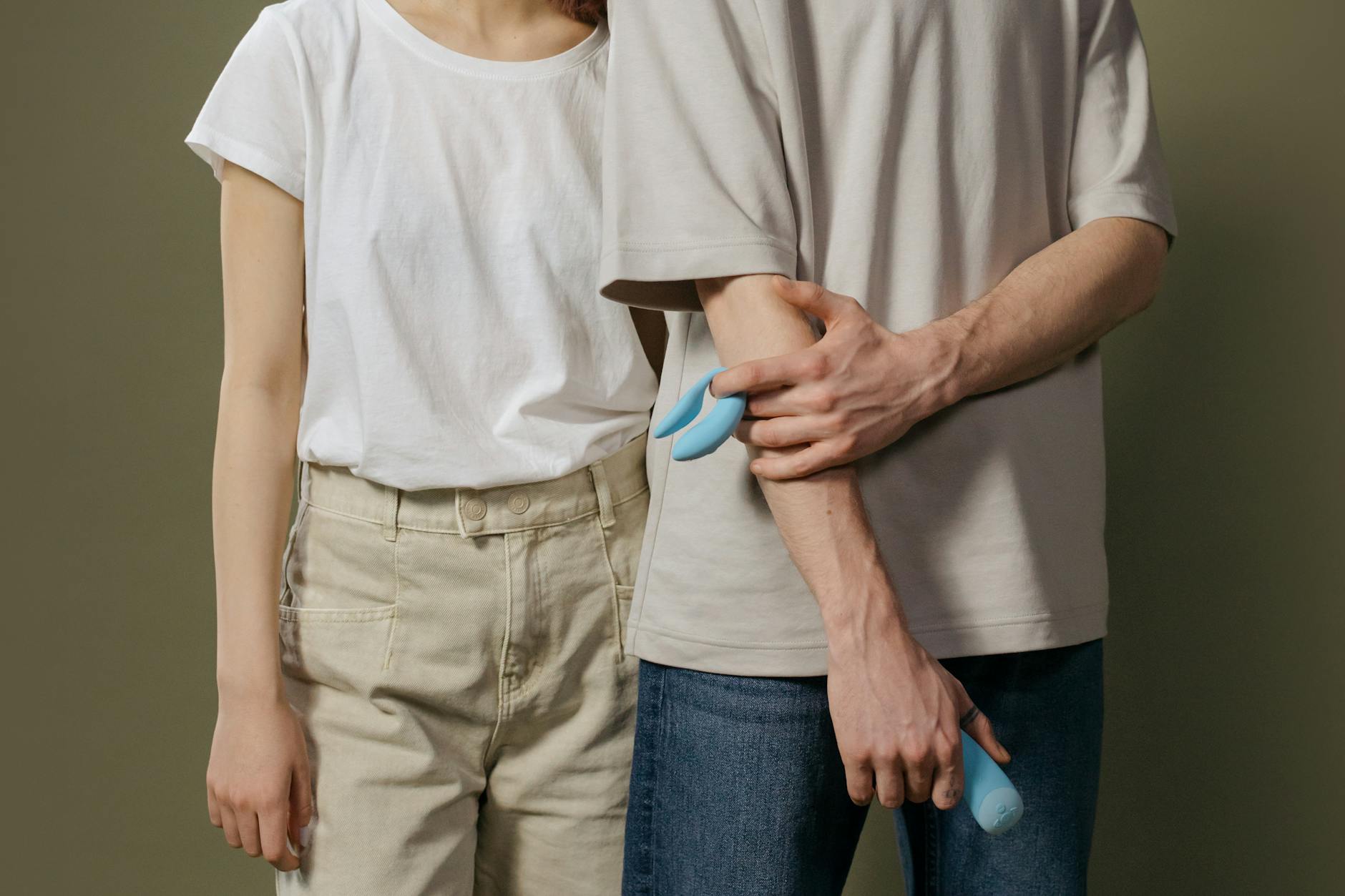
Let's talk about what nobody mentions in the birthing class
Your lemon clitoral vibrator doesn't feel the same after having a baby. That's not a sign something broke. It's neurology, not damage. When I work with postpartum clients rebuilding intimacy, the most common complaint is exactly this: sensation feels too sharp, too intense, or weirdly muted. Both happen. Both are temporary. Both are fixable.
Here's what's actually happening under the skin, why a lemon vibrator might feel overwhelming where it once felt perfect, and exactly how to come back to pleasure safely.
The nervous system rewires during and after pregnancy
Pregnancy is a full-body neurological event. Your nervous system literally recalibrates over nine months and the postpartum period. The clitoris itself has the highest concentration of nerve endings in the body. That density doesn't change, but the way those nerves communicate with your brain absolutely does.
During labor and delivery, whether vaginal or cesarean, your pelvic floor and perineal tissue undergo massive stress and change. Even if there's no tearing, the trauma (and yes, birth is a physical trauma even when it's also beautiful) triggers inflammation and nerve sensitivity that can last weeks or months afterward. Epidurals, stitches, pain medication, infection risk, sleep deprivation. All of that rewires how your nervous system processes sensation.
Here's the part nobody explains: for the first few months postpartum, your nervous system is basically in survival mode. It's hypervigilant. Your body is flooded with oxytocin (bonding hormone), prolactin (milk hormone if you're nursing), and elevated cortisol (stress hormone). These hormones don't just affect mood. They reshape how your tactile nerves fire.
That lemon vibrator on setting three? It now feels like setting six because your nervous system is amplifying signals it perceives as urgent.
Why intensity shifts postpartum (and it goes both ways)
About 60 percent of postpartum people report that sensation feels heightened or almost painful when they attempt masturbation in the first three months. Another 30 percent report the opposite: numbness, delayed arousal, or a feeling of disconnection from pleasure entirely. Both are normal. Both are reversible.
The heightened sensation group typically has more perineal trauma, active inflammation, or a nervous system that's still in reactive mode. If you had stitches, tearing, or even just significant swelling, the tissue is literally more sensitive while it heals. Layer that on top of hormonal shifts, and you've got a recipe for a lemon vibrator feeling like an electric shock instead of a caress.
The numbness group usually includes people with more severe perineal damage, extensive stitching, or nerve compression from swelling. Some also experience a psychological distance from their body post-birth. You've spent months pregnant. Then you've been leaking, bleeding, or in pain. Your own body feels like a medical event, not a source of pleasure. That mental reset takes time.
Here's what I tell my clients: whichever version you're experiencing, do not interpret it as permanent or as a sign you need to push through it. Intensity will normalize. Numbness will lift. But that takes patience.
The timeline nobody gives you
Most OBGYNs clear you for "sexual activity" at six weeks postpartum. That's a medical clearance for penetration, not a guarantee that pleasure will feel good. Think of it like being cleared to run after a sprained ankle. Sure, the bone is healed. That doesn't mean a sprint feels pleasant.
In my experience as a relationship coach working with postpartum couples, the true restoration of sensation takes four to six months minimum. Some people need nine to twelve months. That's not a failure. It's your nervous system recalibrating.
Weeks 1-6: Don't use toys. Rest. Your pelvic floor is healing. Pressure, even gentle pressure, can interrupt that.
Weeks 6-12: You can try a lemon vibrator, but start on the lowest setting and keep sessions brief (two to three minutes max). Think of this as reintroduction, not pleasure. You're teaching your nervous system that sensation is safe again.
Months 3-6: Gradually increase intensity and duration as it feels good. Most people find that by month four or five, their previous settings start to feel comfortable again.
Months 6+: Sensation typically normalizes. If it hasn't, talk to a pelvic floor physical therapist.
How to use a lemon vibrator safely postpartum
If your healthcare provider has cleared you and you want to explore sensation again, here's my protocol:
Start absurdly low. If your lemon clitoral vibrator has six settings, begin on setting one. Let it run for 30 seconds. Stop. Notice what happened. Did that feel okay, intense, or numb? Adjust accordingly next time.
Use lube even if you don't think you need it. Postpartum tissue is thinner and more fragile, especially if you're nursing (prolactin suppresses estrogen, which thins vaginal and clitoral tissue). A water-based lubricant is your friend. It protects tissue and makes sensation feel less raw.
Never push through discomfort. Intensity should feel good, even if it's unfamiliar. Sharp pain, burning, or a feeling of rawness means stop. Ice if needed. Wait a few more weeks and try again.
Keep sessions short. Five minutes max in the early months. You're not chasing orgasm. You're rebuilding the neural pathway between your clitoris and your brain.
Do this alone first. Your partner might want to be involved. That's understandable. But the early stage of reconnecting to your own sensation is best done solo. No pressure, no expectations, no one watching. Just you and your body figuring out what feels safe again.
The emotional reset matters as much as the physical one
Here's something that doesn't get discussed enough: postpartum sensation shifts aren't just physiological. They're relational too. Your body has been used. You've been touched constantly by a baby, potentially by medical staff, by your partner. You might feel touched out, depleted, or resentful about your body being public property.
That resentment doesn't disappear when you try a vibrator. It shows up as numbness, as a feeling of disconnection, or as irritation at sensation that feels invasive rather than pleasurable.
If you're experiencing that, the issue isn't your lemon vibrator. The issue is that you need permission to have something be just for you again. That permission takes time, conversation with a partner if you have one, and sometimes actual therapy.
I worked with a client who reported that her clitoris felt numb for eight months postpartum. Her healthcare provider ruled out physical damage. We talked, and it became clear that she felt angry about her body. She'd been touched, penetrated, stitched, and examined so thoroughly that pleasure felt like one more demand. We worked on her reclaiming her body as hers, not as something that belonged to others. Once she did, sensation returned naturally.
When to see a specialist
If it's been six months and sensation still feels off, or if you're experiencing pain rather than intensity, see a pelvic floor physical therapist. They can assess whether you have residual nerve compression, scar tissue sensitivity, or pelvic floor dysfunction that's interfering with sensation.
If you're nursing and your tissue feels consistently thin or dry, talk to your OB about whether low-dose vaginal estrogen cream makes sense for you. It's safe during breastfeeding and can make a huge difference in tissue resilience.
If the numbness or disconnection is psychological (and sometimes it is), a sex-positive therapist or relationship coach can help you rebuild your relationship with your body and pleasure. There's no shame in needing support for that.
The bottom line
Your lemon clitoral vibrator feeling different postpartum isn't a sign that pleasure is broken. It's a sign that your body is still healing, and your nervous system is recalibrating. That's temporary. What you had before will come back, often stronger because you'll know your body better now. Be patient with yourself. Start low. Use lubricant. Prioritize sensation over orgasm. And remember: your pleasure matters, even when it feels distant right now.