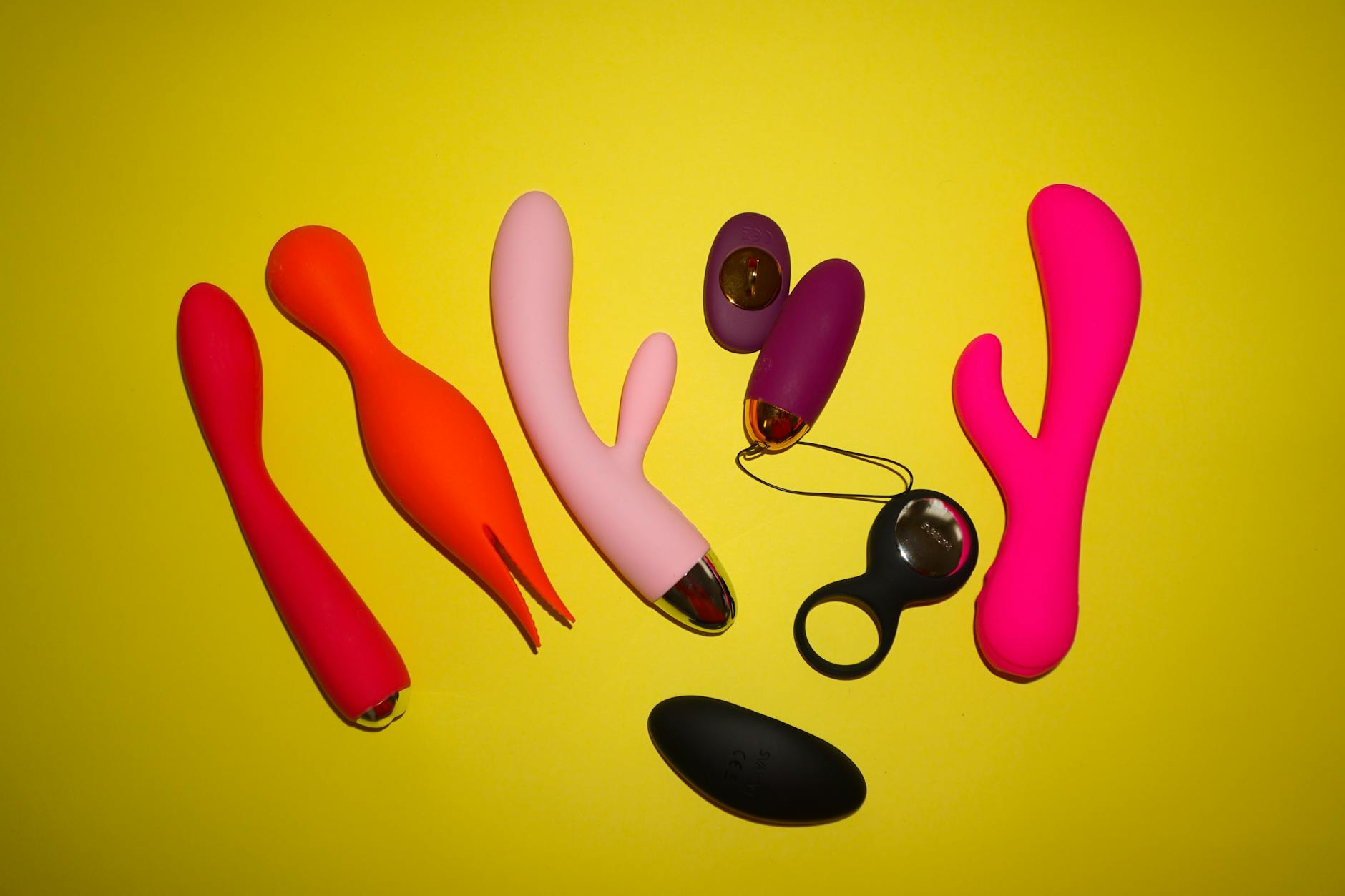
When sensation just... stops
Let's be real. You spend years feeling something. Then one day you don't. And nobody tells you why, so you convince yourself it's you. That your body broke. That you're broken.
Clitoral numbness is real. It shows up after menopause, after certain medications kick in, after surgical trauma, after years of friction-based vibrators that have basically worn out the nerve endings. And here's what makes it worse: most people think the solution is a stronger vibrator. A faster one. More of what already stopped working.
That's backwards. Your clitoris doesn't need more friction. It needs a completely different kind of stimulation.
Why friction vibrators stop working over time
Traditional vibrators rely on oscillation. They buzz back and forth against tissue at varying speeds. For years, this works fine. The nerves respond, sensation builds. But over time, especially for people over 40, people on certain medications, or people with past pelvic trauma, the vibration itself can desensitize rather than awaken. The tissue gets accustomed to the frequency. The nerve endings flatten out. You need more speed, more pressure, more everything. Until one day even the strongest vibrator in the drawer barely registers.
This is called vibratory anesthesia. It's not a personal failure. It's neurological adaptation. Your nervous system has basically learned to ignore a stimulus it's felt thousands of times.
How suction works differently
Lemon clitoral vibrators use air-pulse or suction technology. Instead of vibrating against the tissue, they create a gentle vacuum that draws the clitoris into a cup. This stimulates a different set of nerve pathways. You're not desensitizing to a familiar frequency. You're engaging nerves that may have been quiet for years.
The sensation is completely different. Many clients describe it as a "mouth-like" feeling, which isn't accidental. It mimics the way lips and tongue stimulate without direct friction. For people whose clitoris has been numb to traditional vibrators, this often feels like waking up something that was dormant.
The best part: there's usually a learning curve of about 3-5 sessions before your nervous system fully remembers how to respond. You're not broken. Your body just needs a new language.
Who gets numb and why
Medication side effects. SSRIs, some blood pressure medications, and antihistamines can flatten sensation. So can certain hormone therapies. If your numbness started around the same time you began a new prescription, that's worth exploring with your prescriber.
Aging and estrogen drop. Tissue thins. Nerve density changes. After menopause, everything takes longer to wake up. That's not abnormal. It's biology. But it responds beautifully to stimulation that doesn't rely on friction friction alone.
Pelvic floor trauma. Surgery, childbirth injury, or sexual trauma can numb the entire region as a protective mechanism. Your nervous system learned to shut down sensation in that area. Gentle, non-threatening stimulation from a lemon sucker can help rewire that safety.
Overuse of strong vibrators. Some people spend years with a very powerful friction vibrator. Their clitoris adapts. They need more power. Then more. Then one day, nothing works at all. This is the most common reason I see clients come back after a decade of numbness.
The science of rewaking sensation
Your clitoris has roughly 8,000 nerve endings concentrated in a space the size of a pea. But those nerves aren't evenly distributed. Some are built for light touch. Some respond to pressure. Some activate only when stimulation changes rhythm or intensity. Traditional vibrators hit the same nerve fibers over and over. Suction-based lemon vibrators access a wider network because the sensation is novel.
When you switch to a suction toy like a Lem vibrator, you're essentially giving your nervous system new information to process. The brain wakes up. It pays attention. And over several sessions, that attention rebuilds sensation that felt lost forever.
This isn't theory. The medical literature on oral stimulation (which uses similar mechanics to suction toys) shows that it activates a broader area of the sensory cortex than direct vibration alone.
How to actually reawaken your clitoris
Start low. Don't jump to the highest setting. Lemon vibrators like the Lem usually have 3-5 intensity levels. Begin at level 1 or 2 for your first few sessions. You're not trying to orgasm yet. You're teaching your nervous system that this feeling is safe and worth paying attention to.
Session over sensation. Plan for 15-20 minute exploratory sessions. You might not feel much the first time. That's normal. The rewaking happens gradually. By session three or four, most people notice a shift. By session seven or eight, many clients describe it as "finally, that familiar buzz, but different."
Combine with lubrication. Even though suction toys don't create the same tissue friction, water-based lube can help the cup seal better and make the sensation more comfortable. It also signals to your body that this is a pleasurable context, not a medical procedure.
Use it solo first. If you're partnered, don't introduce your new toy during partner sex right away. Spend a week exploring alone. Get familiar with what the sensations feel like. Build your own baseline. Then you can teach your partner what you've rediscovered.
Be patient with yourself. This is a conversation between you and your nervous system. Some people feel a shift in one session. Others need three weeks. There's no timeline you're behind. You're literally rewiring sensation pathways that have been quiet. That takes time.
The emotional layer nobody talks about
When you've been numb for years, reclaiming sensation often brings up unexpected emotion. Sometimes it's grief. Months or years of numbness means you've probably made peace with the idea that that part of you was gone. When it comes back, you might feel angry that you lost it, sad about how long you've been without it, or weirdly guilty for finding pleasure again.
All of that is valid. If you're in a relationship, your partner might not understand why rewaking sensation is emotional. "Shouldn't you just be happy?" they might think. But reclaiming a part of yourself that felt lost is genuinely a grief and rebirth cycle.
This is a good moment to check in with your partner about what's happening and why it matters. "I'm rewaking something I thought was gone" is a very different conversation than "I just wanted a new toy." When your partner understands the stakes, they often show up differently.
When to seek help beyond toys
If numbness came on suddenly, alongside other neurological symptoms, talk to your doctor. That could signal diabetes, spinal issues, or other conditions that need real diagnosis.
If you've been trying a new toy for six weeks with zero shift, and numbness is paired with depression or anxiety, consider talking to a therapist who specializes in sexual health or trauma. Sometimes the nervous system needs more than a toy. It needs safety, permission, and professional support to rewire.
But if your numbness is gradual, medication-related, or age-related, lemon clitoral vibrators are often exactly what your system has been waiting for.
The part everyone skips but shouldn't
Rewaking sensation after years of numbness is one of the most validating experiences I help clients navigate. There's often a moment, around session four or five, where someone goes very quiet and then says, "Oh. Oh my god. I remember this feeling." That's the moment their nervous system recognizes what sensation actually feels like. It's moving. It's also a reminder that nothing was permanently broken. Your body was just waiting for the right signal.
A lemon vibrator, specifically one using suction technology like the Lem, is often that signal. Not because it's magic. But because it's different enough from everything you've already tried that your nervous system actually pays attention.
Frequently asked questions
How long does it take for sensation to come back with a suction vibrator?
Most people notice a shift within 3-7 sessions of solo exploration. That's about one session every 2-3 days. Some people feel something in the first session. Others need two weeks before they notice the difference. The variability depends on how long you've been numb, what caused the numbness, and how much nervous system trauma is involved. Be patient. Rewaking is real, it's just gradual.
Can I use a Lem vibrator if I have vulva numbness from diabetes?
Absolutely, though with a caveat. Diabetes-related numbness is real and sometimes reversible with better blood sugar control. A lemon clitoral vibrator won't "cure" it, but suction stimulation does activate different nerve pathways than friction, so many people with diabetes-related numbness find that suction toys help. Start with lower intensity levels and check in with your healthcare provider if you have open sores or significant tissue damage.
Is it normal to feel nothing the first time I use a suction vibrator?
Completely normal. Your body has spent months or years without activating those pathways. The first session is your nervous system saying, "Wait, what's this?" It's not doing much with the information yet. By the third or fourth session, you're usually getting somewhere. Think of it like waking up slowly instead of a light switch turning on.
My partner thinks I should just be using traditional vibrators. How do I explain why suction works better?
You could explain it like this: "My clitoris has gotten used to that kind of stimulation, so I basically stopped feeling it. This is a completely different sensation that my nerves haven't adapted to yet. It's helping me wake something up that felt lost." If your partner is still skeptical, you could share research on oral stimulation (which uses similar mechanics) and why it engages different nerve patterns than vibration alone. But honestly, the best explanation is letting them watch you rediscover pleasure. That speaks louder than any science.
Will sensation eventually fade again if I keep using the same suction vibrator?
Unlike traditional vibrators, suction-based stimulation is less likely to cause the same kind of adaptation because you're accessing a broader range of nerve endings. That said, the best tool is always the one you're not using every single time. Some of my clients rotate between a suction toy and occasional partnered touch specifically to keep variety alive. Variety is what keeps your nervous system engaged.
Can I use lube with a suction vibrator if I'm already numb?
Yes. Lube helps the cup seal to your body, which actually makes the suction sensation stronger and more even. Water-based lube is your safest bet with silicone toys. Even if you don't feel like you "need" lube in the traditional sense, it can improve the sensation and make the experience more comfortable, which signals to your body that this is safe and worth paying attention to.
The real story
You didn't break. Your nervous system adapted to the same signal it had been receiving for so long that it stopped bothering to process it. That's actually a feature of your nervous system, not a bug. The solution isn't more of the same friction. It's a completely different stimulus that your system has to sit up and pay attention to.
Lemon vibrators using suction technology literally change the game for people who have been numb. And if you've been numb, the fact that sensation can come back at all is worth celebrating. Your body isn't done with pleasure. It just needed the right conversation.
If you're ready to explore rewaking sensation, start with a low-intensity setting, give yourself grace for the learning curve, and reach out if you need support navigating the emotional side of reclaiming a part of yourself that felt lost. Your pleasure matters. And it's rarely too late to reconnect with it.
For more on navigating pleasure after physical or emotional challenges, explore resources on how lemon vibrators feel different with depression or how to rebuild pleasure after long illness or recovery. And if you'd like personalized guidance, get in touch.