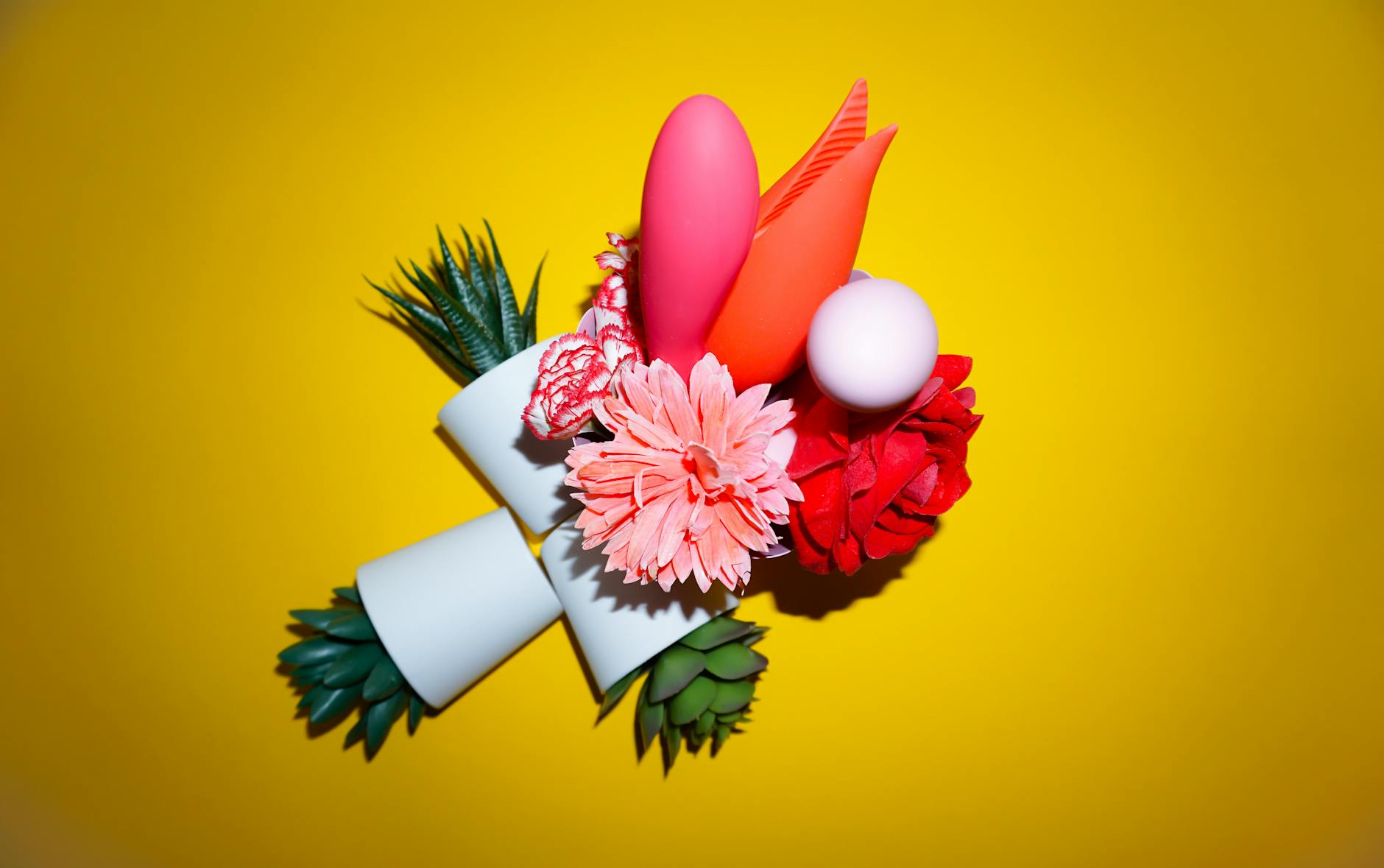
The honest answer: you're comparing apples to lemons
Your first instinct is probably right. That new lemon vibrator does feel gentler, quieter, less intense than the traditional vibrator it replaced. But here's the thing: gentler doesn't mean weaker. It means different. And different is actually the whole point.
When you've spent years with a toy that buzzes at high frequency, switching to air-suction technology feels like going from a jackhammer to a pulse. Except the pulse is reaching nerve endings that buzzing never quite hit the same way. Your nervous system has to recalibrate, and that takes more than one session to really understand.
How lemon vibrators actually work (and why it matters)
Traditional vibrators oscillate. They shake back and forth between 5,000 and 15,000 times per second, depending on the motor. That's mechanical stimulation. Your tissue moves, generates heat, and you feel a strong, direct buzz.
A lemon clitoral vibrator works through suction and gentle pulsing. It creates a micro air-pulse pattern that mimics oral stimulation. Instead of vibration traveling through your tissues, the suction creates a seal and gentle pressure wave that stimulates the surface nerve clusters in a completely different way.
Think of it this way: a vibrator is a hammer. A lemon is a mouth. One isn't weaker. They're just using different physics.
Why your old toy felt so intense
That vibrator you've been using? It probably had a small motor pushing against a rigid surface, and that surface was pressed directly against sensitive tissue. High frequency means rapid muscle contractions in the surrounding area. It's effective. It's also, neurologically speaking, kind of blunt.
Over time, if you rely on that kind of stimulation exclusively, two things happen. First, your nervous system adapts to the intensity threshold. You need more to feel the same amount. Second, you might be conditioning your response to a very specific type of input, which can narrow your capacity for other sensations.
This isn't a judgment. It's just how the nervous system works. Adaptation is a feature, not a bug. But it means switching tools feels jarring until your body learns to recognize pleasure in a new frequency.
The actual intensity of suction technology
Here's where I need to push back on the "weaker" framing entirely. Air-suction vibrators often deliver more precise stimulation to the clitoral glans and surrounding nerve cluster than traditional vibrators. They're not softer. They're more focused.
Your lemon has multiple intensity levels. If you're starting at level 1 or 2, you're literally not using the toy at its full capacity. Most people who complain about weak suction haven't tried level 4 or 5 yet. At maximum intensity, a lemon delivers a sensation that's noticeably different from buzzing, and for many people, it's genuinely stronger in terms of actual nerve engagement.
The difference is that suction-based intensity compounds over time. You don't feel an immediate hammer blow. You feel a mounting sensation that builds into something much deeper than buzz-based stimulation alone.
What changes when you switch from buzz to suction
Three things:
Orgasm shape shifts. With traditional vibrators, most people experience orgasms that peak quickly and release. With suction, the buildup is slower but the plateau often lasts longer. Your orgasms might feel less like a spike and more like a sustained wave. That's not weaker. That's a fundamentally different neurological event.
Pleasure becomes more localized. Buzz travels through surrounding tissue. Suction concentrates sensation on the exact spot it's designed to reach. Some people find this laser-focused approach way more effective. Others initially miss the broader sensation. Give it time.
Sensitivity often increases. This is the weird part that nobody expects. When you switch from buzz to suction, your tissue becomes more responsive to suction over two to four weeks. You're not imagining it. Your nerve endings are literally recalibrating to recognize and respond to this new input pattern. That means level 1 in week two feels different than level 1 in day one.
How to transition without frustration
Don't try to directly compare sensations. That's like comparing an espresso to a glass of wine and deciding one is "weaker" because it's not sharp. They're different delivery systems.
Start with at least a five-minute warm-up. Use your hands, a partner's hands, or a traditional vibrator first. Get the blood flow going and arousal building. Then introduce the lemon at a low intensity. You're not trying to reach orgasm on day one. You're teaching your body to recognize and enjoy the sensation.
Budget at least three sessions before you decide if this tool is for you. Your nervous system needs time to adjust. I've seen countless people dismiss suction vibrators after one session, then come back three weeks later saying it's now their favorite toy. That's not marketing. That's neurology.
If you're someone with a particularly responsive clitoris or prior experience with high-intensity buzz, here's a hybrid approach: use a traditional vibrator or your hands to get close to climax, then switch to the lemon in the final moments. This gives your body permission to use suction as a finishing tool while you're already in an aroused state. Over time, you'll probably find you need the buzz less and less.

Photo by cottonbro studio on Pexels
The sensation paradox
Here's something weird that I hear from people regularly: the lemon vibrator feels weaker at first, but they have better orgasms with it. How does that work?
It comes down to nerve density and neural specificity. Your clitoris has around 8,000 nerve endings. Most of them are concentrated in the tip and corona, not spread out across the whole surface. Buzz-based vibration stimulates a larger area but with less precision. Suction concentrates on the exact zones with the highest nerve density.
So even though the sensation feels gentler, the nerve engagement is often more complete. You're not feeling as much surface vibration, but you're triggering a more comprehensive response in the actual sensory tissue.
Add to that the fact that suction technology allows for better tissue contact without the irritation that can come from prolonged high-speed buzz, and you've got a tool that's actually significantly more sophisticated, not weaker.
When intensity might genuinely be the issue
That said, some people really do need serious intensity, and that's legitimate. If you have low sensitivity due to medication, nerve damage, or neurological differences, suction alone might not be your tool. This doesn't mean you're broken. It means you need something different.
There are vibrators that combine suction with stronger vibration patterns. You might also find that combining a lemon with a partner or external vibration gets you where you need to be. The point is: if after four weeks of consistent use at maximum intensity you still feel like something's missing, trust that instinct. Different bodies need different tools.
The reframing that actually helps
Instead of thinking about your lemon vibrator as "weaker than your old toy," try this: you're not downgrading. You're adding range to your nervous system's vocabulary.
People who use a variety of stimulation types typically have more responsive bodies, more varied pleasure experiences, and honestly, less chance of hitting that nerve-response plateau where nothing feels new anymore. Your new lemon isn't replacing your old vibrator. It's expanding your options.
Most of my clients end up keeping both types of toys and using them in different contexts. A buzzer when they want that sharp, immediate sensation. A lemon when they want something deeper, longer, more focused. Your pleasure deserves that kind of nuance.
FAQ: The questions I get asked
Q: Should I return my lemon vibrator if it feels weak?
No. Not yet. Give yourself at least 10 sessions at maximum intensity before you make that call. I've never met someone who stuck with suction for two weeks and regretted it. The adjustment period is real, but it's short.
Q: Is my sensitivity damaged if I prefer buzz over suction?
No. Some nervous systems genuinely respond better to high-frequency oscillation. That's not damage. That's preference. You're not obligated to like every tool.
Q: Can I use my lemon vibrator with a partner?
Absolutely. Check out our guide on how to integrate a lemon vibrator into couples play for specific strategies. Many couples find that suction-based toys create different sensations during penetrative sex because the suction seal works independently of depth or angle.
Q: Why does my lemon feel stronger some days than others?
Hormones, arousal level, stress, medication, even caffeine intake affect genital blood flow and nerve responsiveness. This is true for all stimulation, but you might notice it more with suction because it's more precision-based. If you're not fully aroused, the seal won't be as complete, and intensity will suffer. Budget time for real warm-up.
Q: Will using a lemon vibrator permanently change my response to other toys?
Not permanently, but temporarily yes. After several weeks of suction use, traditional buzz might feel less satisfying for a bit. That's adaptation. If you go back to buzz-only for a few weeks, your sensitivity will readjust. Your nervous system is flexible. You can use different tools without losing anything.
Q: Is there something wrong with me if I need intensity to finish?
Not at all. Intensity requirements vary hugely and are often neurological, sometimes hormonal. Some people are intensity seekers. Some need the build and the peak. There's no wrong way to have pleasure that works for you. If intensity is what you need, use intensity. Just make sure you're at the right intensity level for your current body state, not the level that worked six months ago.
Your lemon vibrator isn't weaker. You're just learning a new language of touch. Give it time. Your nervous system is smarter than you think, and it's absolutely capable of recognizing good things even when they feel different at first.