
Let's name the problem first
One of you comes fast. The other doesn't. You've both tried ignoring it. You've tried talking about it once, which felt awkward. Now you're stuck in a loop where the faster person either waits around feeling self-conscious, or the slower person feels rushed and can't relax enough to finish at all. Neither scenario is fun.
Here's what matters: this is one of the most common timing issues couples face, and it's not a reflection of attraction, effort, or compatibility. It's just biology colliding with pressure. The good news is that lemon vibrators, specifically air-suction clitoral vibrators like the Lem, are genuinely one of the best tools to solve this without anyone feeling like they're doing something wrong.
Why orgasm timing gets so loaded in relationships
We're taught that simultaneous orgasms are the gold standard. Spoiler: they're not actually necessary or even that common. But the cultural messaging sticks around anyway, and it creates this weird shame for whoever doesn't time up naturally.
Add to that the performance pressure. If one partner is sitting there waiting, the other person's brain switches into "I need to hurry" mode. Anxiety kills arousal. So now you're both tangled up in the opposite problem: the slower partner can't finish because they feel watched. The faster partner feels guilty. Everything tightens.
What actually helps is removing the synchronization requirement altogether and replacing it with a tool that lets both of you get what you need simultaneously without one person doing all the work.
How air-suction vibration changes the timing equation
Lemon vibrators use air-pulsing technology instead of traditional vibration. The Lem, for example, creates gentle suction patterns around the clitoris rather than buzzing directly against it. This matters for timing because suction stimulates differently than friction.
For many people, especially those with longer arousal curves, air-suction patterns feel more efficient. You get intense sensation without the numb-out that sometimes happens with traditional vibration. That means less total time needed to reach orgasm. A partner who normally needs twenty minutes might find they're ready in twelve when there's quality suction involved.
For faster partners, there's a different advantage: many people find they can have multiple orgasms when suction is involved, or they can stay aroused longer without overstimulation. So instead of one person finishing and the other still working, both people can stay engaged.
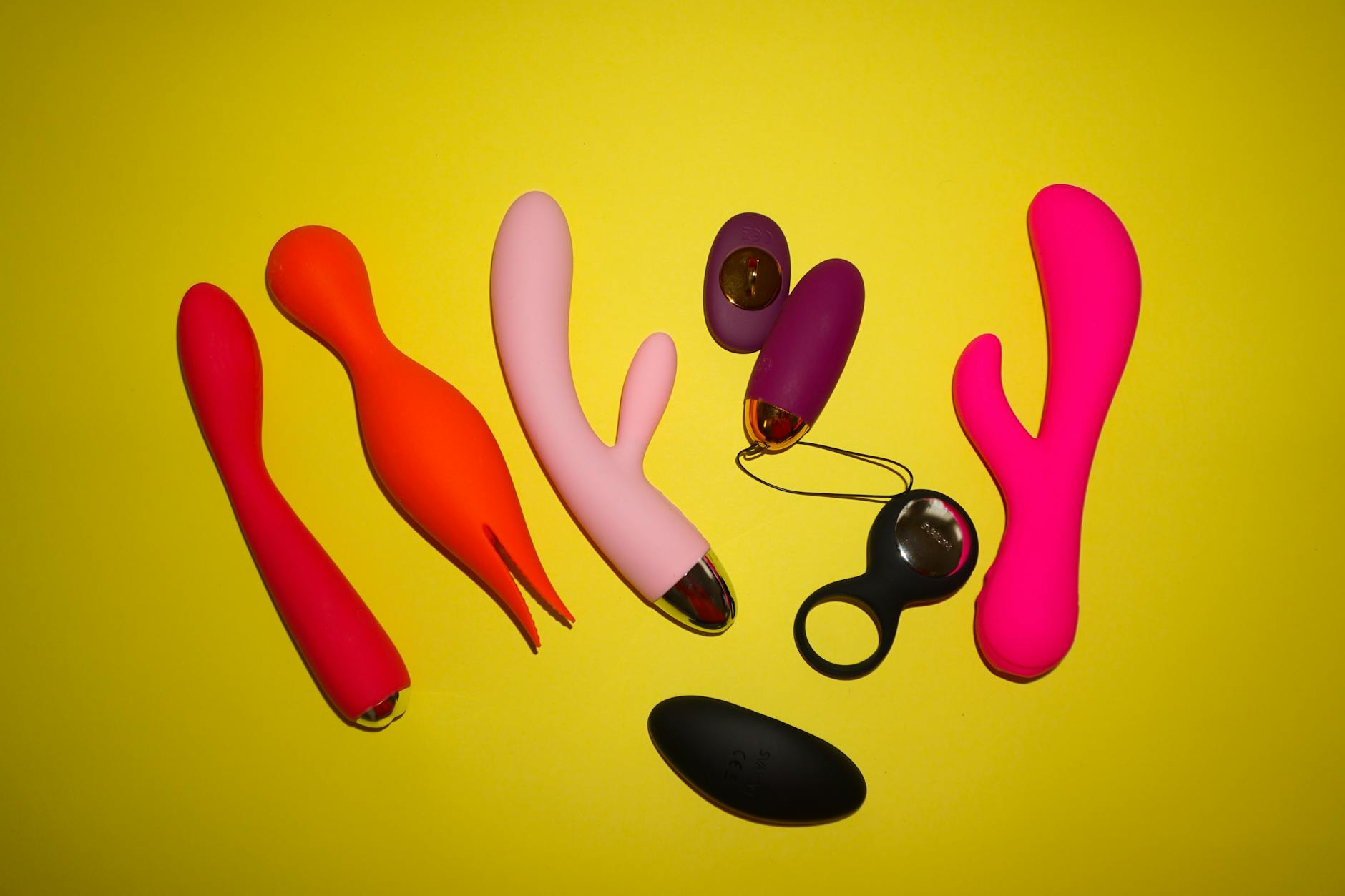
Photo by FounderTips on Pexels
The actual mechanics of using it together
There are a few ways to integrate a lemon clitoral vibrator into partnered sex without it feeling weird or like someone's "giving up" on traditional intimacy.
Scenario one: during penetration. If that's part of your routine, one partner uses the Lem on their own clitoris while the other person enters. This removes the timing pressure completely because orgasm isn't dependent on the other person's rhythm anymore. The penetrating partner can focus on their own sensation. The receiving partner has direct clitoral stimulation. Everyone's needs are met independently.
Scenario two: before or after. Use the vibrator first to bring the slower partner close to orgasm, then switch to partnered activity once arousal is already high. This cuts the total time needed and makes it easier for both people to finish around the same moment.
Scenario three: mutual stimulation. Both partners use a vibrator, clitoral or otherwise. This one's underrated. When you're both actively engaged in your own pleasure, there's zero performance pressure. You're not watching or waiting. You're experiencing your own thing side by side.
What to actually say to your partner
The conversation matters. And most couples get it wrong because they frame it as "we have a problem to solve" instead of "here's something that would feel amazing."
Try this instead of "I never finish, you always finish too fast":
"I want us to feel good together. What if we tried something that lets us both get what we need without anyone feeling rushed?"
That's it. No blame. No therapy-speak. Just a direction.
If your partner is hesitant about vibrators, that's worth a separate conversation. Some people worry it means the partnered experience isn't enough. It doesn't. A lemon vibrator is not a replacement. It's an expansion. You're both still there. You're still connected. The vibrator is just making sensation more efficient.
If they're still uncomfortable, start smaller. Maybe the slower partner uses it during solo time first, without any partner involvement. Get familiar with it. See how it changes things. Then bring it into partnered sessions when it feels natural.
The timing actually works
Here's what I see in practice: when you remove the need for synchronized orgasm, both people actually relax. Relaxation increases arousal. Increased arousal makes orgasm easier. So you end up with better timing anyway, just through a different path.
Many couples who start using air-suction vibrators for timing issues end up keeping them because the sensation is just better. The faster partner enjoys longer, more complex orgasms. The slower partner finishes without feeling like they're taking forever. You're both getting more, not less.
There's also something worth mentioning about emotional intimacy. When you stop performing pleasure and start actually experiencing it, you're more present with your partner. That presence is what relationships actually need. Not perfectly timed synchronized orgasms. Real attention.
A word on communication and adjustment
Using a vibrator together might feel awkward the first time. That's normal and fine. You're literally changing your routine. Give it three or four attempts before deciding if it works for you. The first time is information gathering. By the third time, you'll know if the positioning works, if the timing shifts, if you both feel more relaxed.
If something doesn't feel good, say it. Adjust. Maybe the vibrator comes in at a different point in the session. Maybe it's something you use separately rather than simultaneously. There's no "correct" way, just what works for your specific bodies and preferences.
The couples I work with who navigate this successfully have one thing in common: they treat the conversation as ongoing, not a one-time fix. "Does this still feel good?" becomes a normal question. Pleasure becomes something you're both actively shaping, not something that just happens or doesn't.
FAQ
Will using a vibrator make my partner feel like I'm not attracted to them?
It might, but that's worth addressing directly. Many people worry that vibrators mean something's wrong with their partnership. The truth is the opposite. Using tools together is how you both get more pleasure, not less. Frame it clearly: "I want us to feel amazing. This helps both of us get there." Most partners feel relieved, not threatened, once they realize it's not about dissatisfaction. It's about optimization.
Can a lemon vibrator help if one partner has sensation issues?
Yes, actually. If one person has reduced sensation from medication, diabetes, or other factors, air-suction stimulation often works better than traditional vibration because it engages a different nerve pathway. The Lem and similar lemon clitoral vibrators can make sensation feel more intense and distinct, which helps both timing and overall pleasure.
How do I bring this up without making it weird?
Don't overthink it. "I found this thing that might help us both feel better. Want to try?" is enough. If they say no, ask what they're worried about. Usually it's one of three things: they think it means you're not satisfied, they're embarrassed, or they don't like the idea of toys. Each of those is a different conversation, but they're all worth having. Avoidance makes it weirder.
What if my partner wants to use it too?
Then you have a couple's conversation about what that looks like. Do you take turns? Do you use it simultaneously? Do you both have one? There's no rule. Just decide together based on what you both want and what the mechanics actually allow. Some couples find mirroring each other, both using vibrators at the same time, removes all the pressure and makes everything feel more connected.
Is timing really that important?
Not for a good sex life, no. But it matters for how you both feel about the experience. If one person regularly feels rushed or the other feels guilty, that gets in the way of pleasure and connection. Timing issues are worth solving not because they're a disaster, but because solving them lets both people actually relax and enjoy themselves.
Will this work if we haven't had sex in a while?
It actually might work especially well. A vibrator removes performance pressure, which is huge if you're getting back into things after a gap. You're not worried about lasting long enough or coming fast enough. You're just both there, using tools that feel good. Pressure is the thing that kills arousal when you're rebuilding intimacy.
The actual outcome
When couples solve the timing issue, they usually report that sex becomes less about hitting a specific mark and more about the experience itself. That shift, from goal-oriented to sensation-oriented, changes everything. You're not watching the clock. You're present. And presence is actually what most people want more of.
A lemon vibrator isn't the answer to all relationship issues, but for the specific problem of mismatched orgasm timing, it's one of the most practical tools available. It works with your bodies instead of against them. It requires a conversation, but that conversation is usually easier than the months or years of awkwardness that happen when you don't address it.
Your pleasure matters. Both of your pleasure matters. Using the right tool to get there together isn't a compromise or a cop-out. It's actually the most direct route to the intimacy you both want.