Here's what nobody tells you about new relationships and numbness
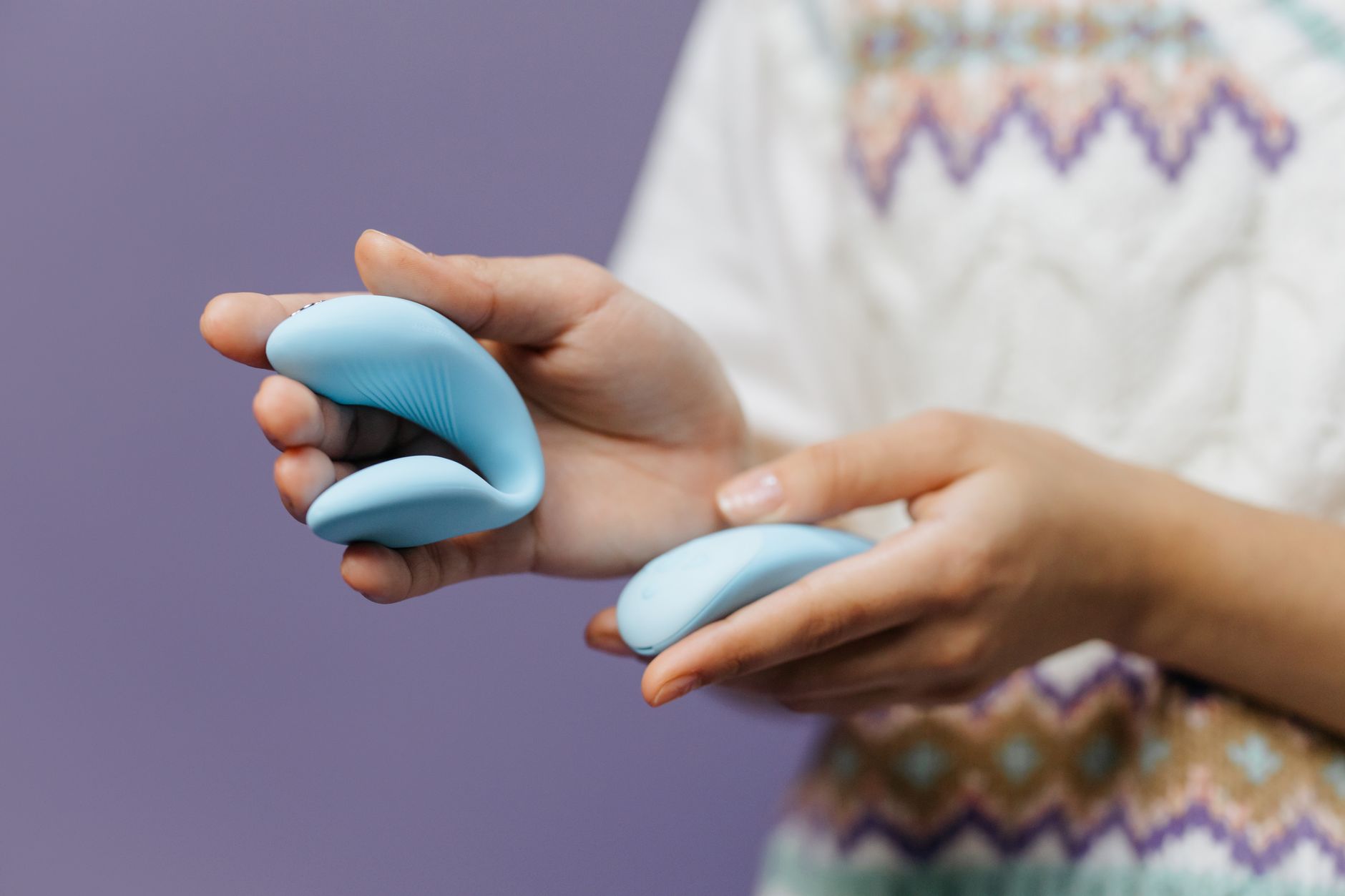
You meet someone. There's chemistry on paper. You're attracted. And then you get to bed and your body checks out. Not physically—you're wet, you're interested, you show up. But sensation-wise? It's like watching the experience through glass. Touching doesn't register. Stimulation feels distant. A clitoral vibrator like the Lem should feel incredible, and instead it feels like moving furniture around.
This isn't a medical problem. It's not your vibrator. It's not even really about the person. It's about how your nervous system responds when trust isn't fully there yet.
Why emotional safety gates physical sensation
Here's the neuroscience: pleasure and arousal live in the parasympathetic nervous system, which only activates when your body believes it's safe. Safety isn't intellectual (your new partner seems nice). Safety is embodied, which means your nervous system needs proof that this person, in this body, during this specific act, won't harm you or judge you.
With partners you've been with for years, that proof is built in. Your nervous system has thousands of micro-confirmations. With someone new, you're starting at zero.
This is especially true if your last relationship ended poorly. Even if your current partner is nothing like your ex, your body doesn't know that yet. It's running a risk assessment every single time you touch. That assessment uses up bandwidth that would otherwise go to sensation.
The result: your clitoris numbs out. Not physically numb (stimulation is reaching the nerve endings). Neurologically numb. Your brain is too busy monitoring for danger to process pleasure.
The thing that actually helps: anchoring instead of pushing
Most advice says "just relax" or "take time." Fine. But here's what actually speeds things up: using your body's own feedback systems to prove safety to your nervous system.
That's where tools like lemon vibrators become genuinely useful, not because they're stronger (they're not) but because they give you data. When you use the Lem, you're not just chasing sensation. You're gathering proof. Each time you use it and nothing bad happens, your nervous system updates.
Here's a specific protocol:
Start solo. Use your lemon vibrator alone for a full two weeks before using it with your partner. This isn't about building a habit; it's about showing your nervous system that pleasure is safe, full stop. Solo sessions lower your baseline anxiety and teach your body that stimulation equals good things.
Notice the return. Around day 7-10, you'll feel sensation coming back in solo sessions. It comes back in patches. You'll feel it in one position but not another. Track where it returns. This is your nervous system gradually believing that pleasure is permitted.
Then invite your partner, but differently. Don't go straight to partnered use. Instead, masturbate in the same room while they're doing something quiet. Then use the vibrator while they're touching you non-genitally. Then hand them the vibrator and guide their hand. These aren't sex moves; they're steps in desensitizing your nervous system to pleasure happening near another person.
The emotional piece you can't skip
Numbness often coincides with a conversation you haven't had. Maybe you haven't told them what you actually want. Maybe you're not sure if you trust them yet and you're pretending you do. Maybe sex with your ex was a certain way and you're bracing for it to be the same.
None of that can be fixed with a vibrator. But a vibrator can be the bridge that makes the conversation possible.
When you've spent solo time with your lemon vibrator and sensation is starting to return, you have real information. You can tell your partner: "I'm feeling numb during sex but it's starting to come back when I use my vibrator alone. I think I need to ease in." That's not a criticism of them. That's data. Data is way less fraught than "I don't feel attracted to you."
If your partner responds with defensiveness, that's information too. And it probably explains the numbness. Safety isn't just about time. It's about how they respond when you're honest.
How numbness differs from low desire (and why it matters)
I work with a lot of people who confuse these. Low desire means you don't want sex. Numbness means you want it but can't feel it. The treatments are completely different.
If you have low desire, the lemon vibrator probably won't help and might frustrate you. If you have numbness, it's the perfect tool for the reason I mentioned: data collection and nervous system reset.
You can tell the difference by asking yourself: "Do I want to have sex with this person?" If the answer is yes, you've got numbness. If the answer is "I don't know" or "not really," you might have a desire issue, which is usually a trust or compatibility problem, not a sensation problem.
The timeline thing (don't trust the 90-day rule)
Some people's nervous systems update in weeks. Others take months. There's no universal timeline. I've worked with couples where sensation returned after three weeks of using lemon vibrators together. I've also worked with people who needed six months.
The variables: your attachment history, what happened in your last relationship, how much your new partner validates you outside the bedroom, whether they listen when you say you need to go slower.
The thing that actually predicts faster recovery? Consistency. Using your vibrator two-three times a week, solo first, produces faster nervous system updates than sporadic use. Your brain needs repetition to rewire threat assessments.
What to do if numbness doesn't lift after three months
At that point, it's probably not about time. It might be about fit. Some people have fundamental incompatibilities that no amount of vibrator use will fix. Or there's an underlying issue: depression, medication, hormone imbalance, or a history of sexual trauma that needs actual therapy, not just a clitoral vibrator.
None of that is a failure. It just means you're gathering information about what you actually need. And that's worth the investment.
FAQ
Can a lemon vibrator actually help with emotional numbness?
Yes, but not the way you think. A vibrator can't fix an unsafe relationship. But it can help your nervous system gradually update its threat assessment by giving you repeated evidence that pleasure is safe. Used consistently, this can restore sensation even when emotional safety is still developing. If the emotional safety never develops, the numbness will return.
Why does sensation come back patchily instead of all at once?
Your nervous system doesn't flip a switch from "unsafe" to "safe." It updates in layers. You might feel sensation during masturbation before you feel it with a partner. You might feel it in one position but not another. You might feel it for five minutes and then lose it again. All of that is normal and actually a sign the system is working. Celebrate the patches.
Is numbness a sign the relationship is wrong?
Not necessarily. Numbness after a new relationship is incredibly common, especially if your previous relationship ended badly or if you have an anxious attachment style. That said, numbness combined with gut feelings of "something's off" is worth taking seriously. Your body knows things your brain hasn't processed yet.
Should I tell my new partner I'm using a vibrator to help with this?
Depends on the relationship. If you're already having sex together, I'd suggest telling them. "I'm exploring sensation solo because I want to feel more present with you," is vulnerable and honest. If they respond with support, that itself is proof of safety and will help the numbness lift faster. If they respond negatively, that's important information.
How long should I use my vibrator solo before involving my partner?
Two to four weeks is a good baseline. By then, you'll have enough data to know if sensation is returning and you'll feel more confident bringing it into partnered time. Some people need longer. Listen to what feels right.
Can medication or hormonal birth control make this worse?
Absolutely. Antidepressants, birth control, and certain medications can dampen sensation. That's a different problem from emotional numbness and needs a different solution. If you suspect medication is the cause, talk to your doctor about whether your current dose is right or whether switching is an option.
The bigger picture
Numbness after a new relationship isn't a sign you're broken or that the relationship is doomed. It's your nervous system doing what it's built to do: protecting you until it has proof that pleasure is actually safe. Tools like the Lem Vibrator can speed that timeline by giving your system the repetition it needs to update.
The key is patience with the process and honesty about what you're feeling. If sensation returns, that's great. If it doesn't, that's information about the relationship itself. Either way, you'll know what you're working with.
Ready to explore this at your own pace? Start solo, track what changes, and reach out if you want to talk through what you're experiencing.