The thing no one tells you about reconnecting
After a fight, a cold spell, or months of emotional distance, the idea of being intimate again feels loaded. You're not just resuming sex. You're trying to remember why you wanted it in the first place. That's a lot of pressure to put on one moment.
I've worked with hundreds of couples stuck in this exact space: they want to reconnect, but initiating feels dangerous. Someone might get hurt, or rejected, or realize the hurt goes deeper than they thought. So nothing happens. Months pass. The distance becomes the new normal.
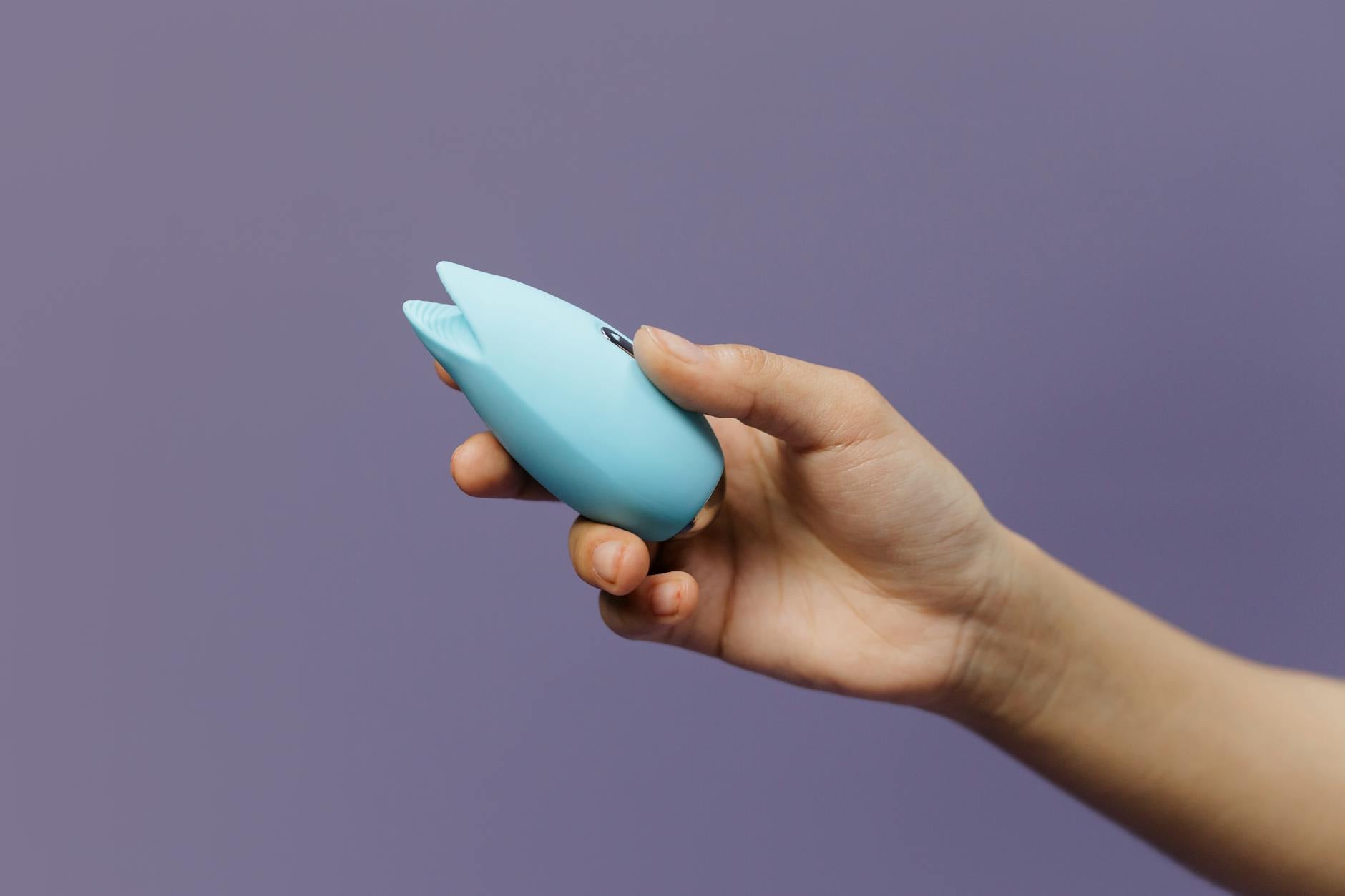
A lemon vibrator changes the dynamic because it depressurizes that moment. It removes the "are you attracted to me" question and replaces it with a shared exploration. That's not small.
Why suction works better after conflict
When you're rebuilding trust in a body after emotional strain, the safest approach is one that doesn't require vulnerability from both partners simultaneously. Traditional vibrators, even the best ones, keep the focus on stimulation. That means someone is performing, someone is watching, and both are aware of the stakes.
A lemon vibrator, or clitoral suction toy, works differently. It creates a sensation that's almost impossible to fake a reaction to. The stimulation is so distinct that your nervous system relaxes around it. You're not trying to look a certain way or perform arousal you don't quite feel yet. You're just experiencing sensation.
For couples rebuilding after conflict, this is valuable because it shifts the framework. Instead of "Can we still want each other?", the conversation becomes "What does this feel like? Do you like this pattern? Should we try the next setting?" That collaborative, low-stakes curiosity is where reconnection actually starts.
The setup that matters most
Before you introduce a lemon clitoral vibrator into a reconnection moment, the environment has to signal safety. Not just physical safety, but emotional permission.
Three things I recommend:
First, talk about it outside the bedroom. Not during intimacy, not as a suggestion in the moment. Say something like, "I've been thinking about us, and I know things have been tense. I found this toy that I think could be fun for both of us. Not because anything is wrong. Just because it might help us remember what this feels like." That honesty matters. You're naming the distance without making it shameful.
Second, agree that either person can slow down or stop without explanation. After conflict, the fear of rejection is highest. Knowing you can pause without a conversation is what allows you to actually stay present instead of bracing for more hurt.
Third, start with clothes on, or mostly on. This sounds counterintuitive, but it works. You're not trying to perform full intimacy yet. You're just exploring what this sensation feels like in a lower-stakes way. Underwear on, or a robe nearby. Permission to stay partially clothed is permission to not have to be fully vulnerable yet.
How to actually use it together
When you're both ready, here's what typically works:
Start with the person with a vulva taking the first lead. They can hold the Hello Nancy Lem, explore what each setting feels like on their own, and tell their partner what they notice. "This one feels like a flutter." "This one is more concentrated." This serves two functions. It removes the pressure from the partner to know what to do, and it gives the person with the vulva genuine control.
After a couple of minutes, the other partner can ask if they can try holding it. Not take over. Ask. That permission dynamic is essential after conflict because it shows you're paying attention to their comfort, not just moving forward.
Start at the lower settings. The Lem has multiple intensity levels, and after emotional distance, you want to rebuild sensation gradually. Lower intensities also feel gentler, which is psychologically important when you're nervous.
If arousal builds, great. If it doesn't, that's fine too. The goal here isn't orgasm. It's reconnection and remembering that your bodies can be a good place to be together.
What to expect emotionally
Some couples find that pleasure comes back immediately. Others discover that the intimacy takes time. Both are normal.
What I see most often is a kind of relief that shows up in the second or third time you try. The first time is exploratory and maybe a little awkward. The second time, you already know what the sensation feels like, so you can actually relax into it. That's when many people notice they're actually aroused, actually connected, actually trusting their partner's touch again.
If you find yourselves laughing, that's a good sign. Laughter is nervous system regulation. It means you feel safe enough to drop some of the guardedness.
If one of you feels awkward or disconnected, that's also information, not failure. Sometimes after conflict, the body needs more time than the mind does. You might need a few sessions before pleasure actually returns. That's not a sign the relationship is broken. It's just how nervous systems work after threat.
When to involve conversation
The most common mistake couples make is trying to process the conflict during intimacy or immediately after. Your brain can't do both. Neuroscience is clear on this: when you're aroused, your prefrontal cortex (the logic and processing part) goes offline. You can't fight, negotiate, or resolve while you're also experiencing pleasure.
So separate those timelines. Use the lemon vibrator and the sensations it creates to rebuild your nervous system's trust in being close. Then, in a different moment, maybe the next morning, talk about what happened and what needs to shift going forward.
This two-step approach is why couples who use sensation play to reconnect often do better than couples who try to "talk it out" and then resume sex. The body learns trust before the mind tries to solve everything.
A note on timing
Don't rush this. If the conflict happened a week ago and emotions are still raw, give it another week. If you're both exhausted from the fight, the lemon vibrator will just feel like another thing to perform.
The right time is when both of you have stopped defending and actually want to reconnect. You'll feel the shift. Someone suggests it, and the other person doesn't tense up. That's the signal.
Before that moment, you're pushing. After it, you're playing. There's a real difference.
Why this works better than "just trying again"
The reason I recommend a structured approach with a tool like a lemon clitoral vibrator is that it removes the ambiguity. Traditional reconciliation sex often replays the same patterns that caused the distance in the first place. One person initiates, the other responds or doesn't, and you're back in the same dynamic.
A lemon vibrator creates a new script. Neither of you has used it before in the same way. Neither of you knows exactly what will happen. That shared uncertainty is actually what rebuilds safety. You're exploring together, not defaulting to old roles.
Plus, the sensation itself is reliable. You can count on the Lem feeling a specific way. In a relationship where trust has been shaken, that reliability matters. Your partner can make you feel good in a way that doesn't depend on mood, history, or who said what last month.
After the reconnection
Once you've used the lemon vibrator a few times and actual arousal and pleasure are returning, you have options. Some couples keep the toy as part of their regular intimacy. Others use it as a bridge until they feel solid again, then move on.
There's no rule. The tool did its job when it helped you remember that your bodies can be a good place to meet after they've been a complicated place.
Reconnecting after conflict is possible. It's not automatic, and it's not always comfortable. But with the right approach, the right tool, and a willingness to rebuild slowly, most couples find their way back. The intimacy that comes after genuine repair is often deeper than what came before.
People also ask
Can we use a lemon vibrator if we're still angry at each other?
I wouldn't recommend it. Anger and genuine arousal can't coexist. If you're still in conflict, focus on understanding what happened first. A lemon vibrator works best when you've both decided you want to reconnect, not as a way to bypass the repair work. Give yourself time to actually address the root of the conflict before introducing pleasure.
How long should we wait after a big fight before trying this?
It depends on the severity and whether you've started talking about what happened. If it was a small argument and you've cleared the air, a few days is fine. If it was a major breach of trust, give it weeks. You'll know you're ready when you can be physically close without tension. If hugging still feels difficult, the Lem will too.
What if one of us feels weird about toys and the other really wants to try it?
This is where the conversation before intimacy matters most. The person with reservations needs to feel genuinely heard, not convinced. Maybe start with them watching their partner use the lemon vibrator alone, with no pressure to participate. Sometimes feeling less obligated to perform makes the whole thing feel safer. Other times, it's genuinely not the right tool for that person, and you find another way to reconnect.
Can we use a lemon vibrator if we haven't had sex in a really long time?
Absolutely. In fact, a long gap often makes a structured tool even more helpful. You're not trying to jump straight back to what you used to do. You're starting fresh with something neither of you has the same history with. That's permission to be curious instead of pressured.
Will using a toy during reconnection change how we feel about each other during regular sex?
No. Tools don't replace partners. They add a different kind of sensation that helps rebuild safety and pleasure. Once you've reconnected, many couples find they enjoy both: penetrative sex with their partner, and also using toys like the Lem for the specific sensation that suction provides. They're not competing. They're different.
What if nothing happens the first time we try?
Nothing happening is still progress. You showed up, you tried something vulnerable together, and you stayed present. That's reconnection. Pleasure takes time when trust has been shaken. Keep showing up, keep being curious, and arousal usually follows. If it doesn't after several attempts, it might be worth talking to a therapist about what's underneath the shutdown. Sometimes pleasure doesn't return until the relationship issue is actually resolved.
The real work
A lemon vibrator can help rebuild intimacy, but it can't replace the conversation, the apology, or the commitment to not do the thing that hurt your partner again. Use the toy to lower the barrier to closeness. Use the closeness to remember why the relationship matters. Then do the harder work of actually fixing what broke.
Your pleasure matters. Your connection matters. And rebuilding both after conflict is always possible. It just takes honesty, patience, and sometimes a tool that helps you get there.