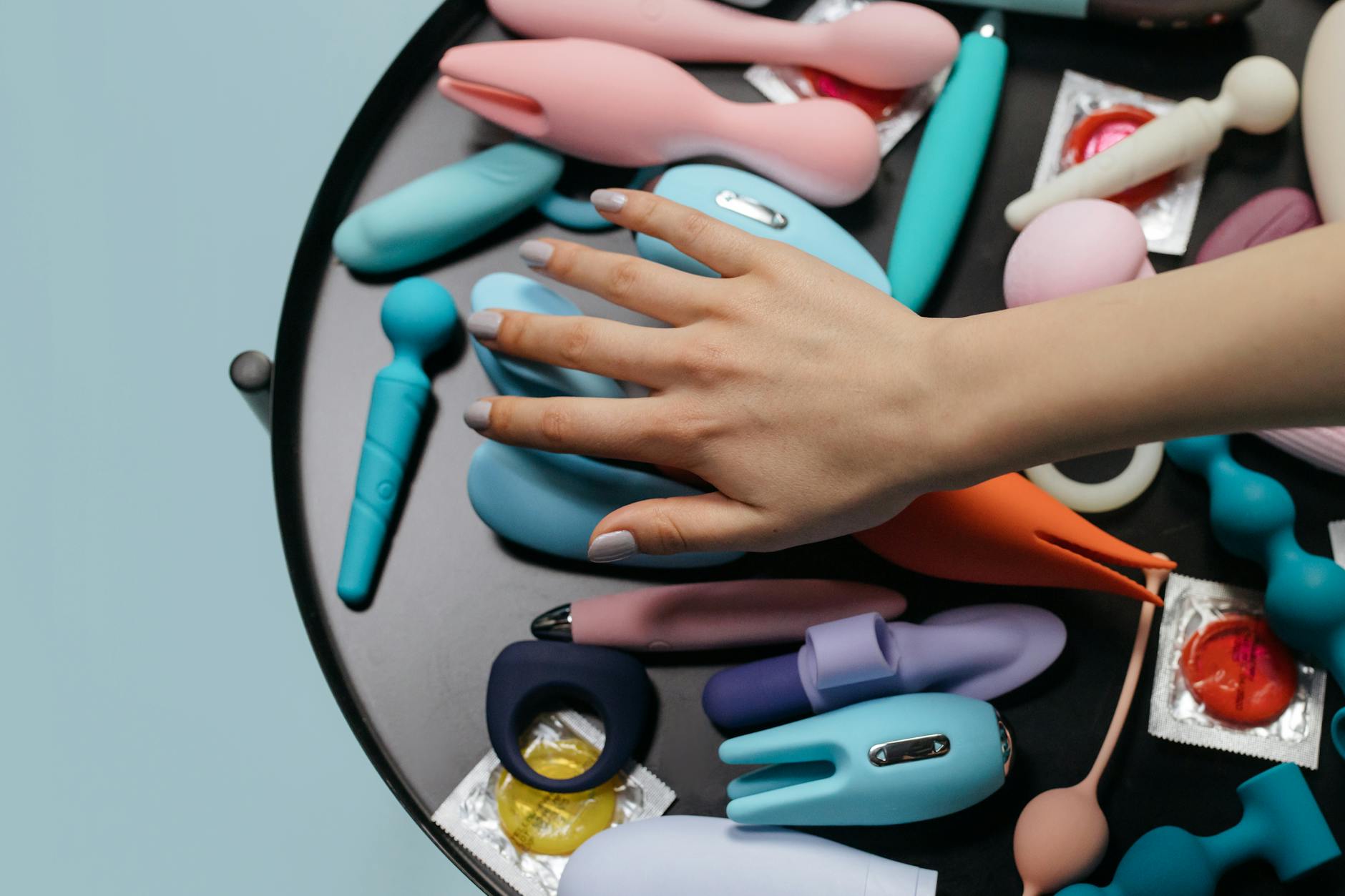
The strange guilt when pleasure returns
Let's be real. When you're grieving, pleasure feels wrong. Not just emotionally complicated, but actually transgressive. Like you're betraying something or someone by having a good sensation, much less an orgasm. That guilt is so universal that it barely gets talked about, which somehow makes it worse.
But here's what I see in my practice again and again: pleasure returning doesn't mean you're moving on or letting go or dishonoring loss. It means you're alive. And rebuilding your relationship with sensation after grief is one of the most underrated parts of healing.
Why pleasure arrives with guilt attached
Grief doesn't happen in a vacuum. If you've lost a partner, the absence of their body compounds the loss of pleasure. If you've lost someone close and you're rebuilding your relationship with your own body, there's often a belief lurking underneath that happiness is somehow disloyal. That joy is forbidden until you've paid some invisible debt of suffering.
That belief is wrong, but it's not irrational. It comes from a real place. For many of us, pleasure was tied to the person we lost. They made us feel desired. They touched us. They were the whole frame around sensation. When that frame disappears, pleasure feels orphaned and even dangerous.
What I work with couples and individuals on is this: pleasure is not a statement about whether you're still grieving. You can miss someone deeply and still have an orgasm. You can honor a loss and still explore sensation. These things live in different parts of your nervous system, and they don't cancel each other out.
The role of solo pleasure in rebuilding
When people ask me how to start having pleasure again after loss, I often point them toward solo exploration first. Not because partnered pleasure is wrong, but because it removes one layer of complication. With a partner, you're managing their expectations, their arousal, their presence. When you're alone with a lemon clitoral vibrator, you're just negotiating with yourself.
That negotiation matters. It's where you get to separate the guilt from the sensation. It's where you can ask your body questions without an audience.
A device like the Lem is particularly useful here because the suction sensation is so distinctly different from anything a partner could do that it breaks the automatic association with the person you've lost. You're not comparing it to their touch. You're exploring something new. That newness is a gentle way of saying to your nervous system: this is about you now.
Starting small when desire feels fragile
If you're months or years into grief and desire is only just returning, don't rush the experience. Here's what I recommend.
First, spend time without the device just getting reacquainted with your own body. Not in a goal-oriented way, but in the way you might hold your hand under warm water and remember what warmth feels like. Five to ten minutes of gentle touch. Breathing. No performance, no destination.
When you do introduce the Lem, start on the lowest setting. Even lower than you think you need. The point isn't to reach an orgasm quickly. It's to prove to your nervous system that pleasure can exist without guilt attached to it. Sometimes that happens in one session. Sometimes it takes ten.
If you notice resistance, if your brain starts narrating that you're being disloyal or dishonoring a memory, that's normal. Don't fight the thought. Acknowledge it. Then come back to your breath and the sensation. Over time, the two become less intertwined.
What rebuilding pleasure actually looks like
It's not linear. Some days the lemon sexual toy will feel natural and grounding. Other days you'll touch it and feel that old heaviness return. That's not failure. That's your nervous system still processing.
What changes over weeks and months is the ratio. The guilt visits less often. The sensation gets clearer. Your body starts to remember that pleasure and grief can coexist. That you can miss someone, honor their memory, and still have a really good orgasm. These things don't contradict each other.
For many people, reconnecting with self-pleasure after loss becomes a form of self-compassion they didn't have before. It's a way of saying to the part of you that's still hurting: you deserve this. Your pleasure matters. You're allowed to feel good.
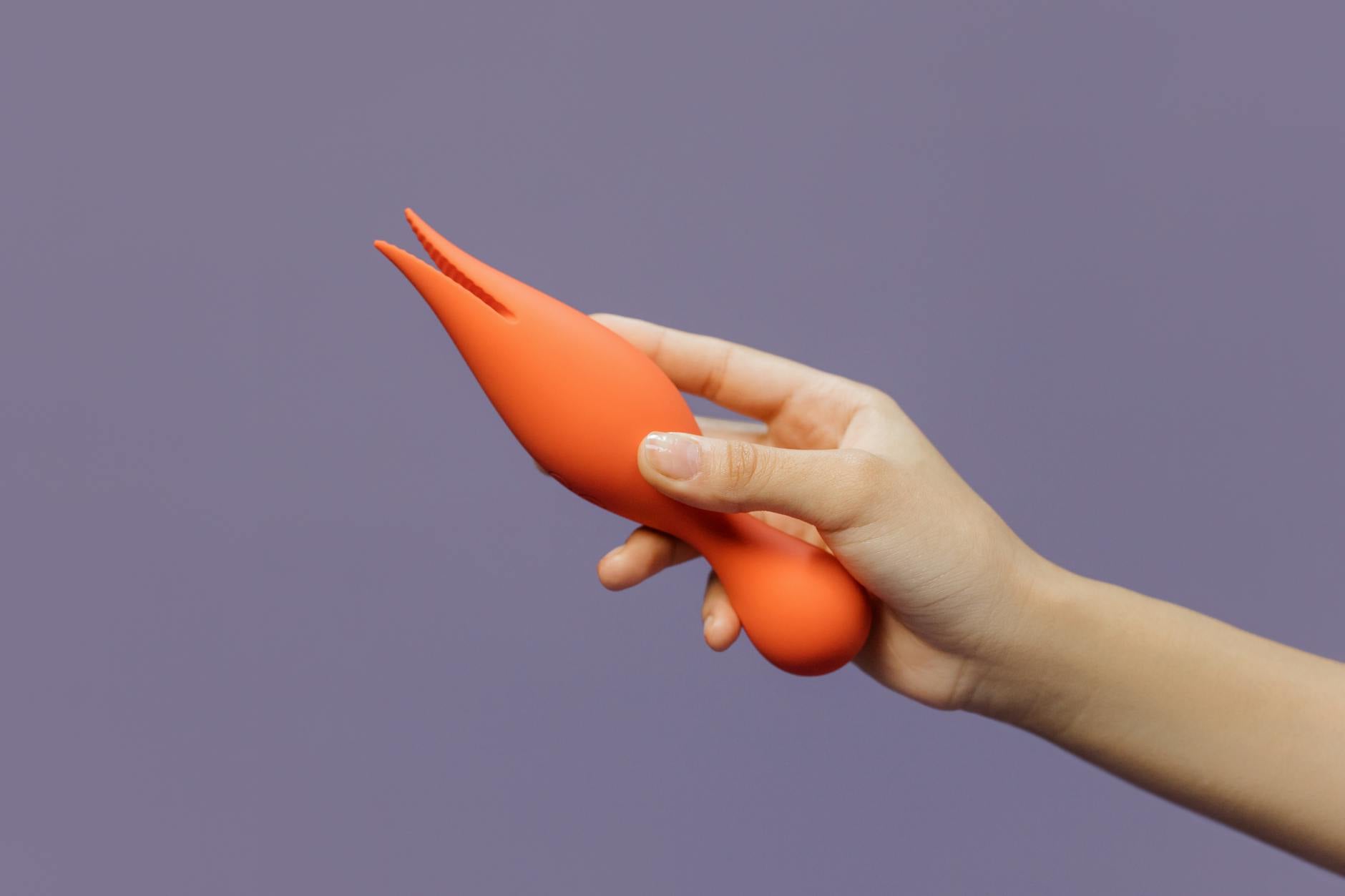
Photo by cottonbro studio on Pexels
If you're in a partnership navigating this together
Rebuild solo first. I say this not because partnered pleasure is less valuable, but because it's harder to untangle your own permission from your partner's desire when you're both grieving. Once you've started rebuilding your relationship with sensation alone, then you can bring a partner back into the picture.
When you do, be direct. Say something like: I'm starting to feel desire again and it brings up guilt. I need to move slowly and I need you to know this doesn't mean I'm forgetting or moving on. It means I'm learning how to be alive again. That kind of honesty matters more than any specific technique.
Some partners will need reassurance. Some will feel relief that you're returning to intimacy. Some will have their own complicated feelings about pleasure moving forward. None of those reactions are wrong. They just need to be named and worked with.
Pleasure as permission to live
This is the part nobody talks about enough. Grief is partly about the ongoing threat that you're not allowed to feel good anymore, that the loss should hollow you out permanently. Rebuilding pleasure is not frivolous or shallow. It's a form of resistance to that narrative.
When you use a lemon clitoral vibrator after loss, you're not just having an orgasm. You're telling your body that it matters. You're telling yourself that you're worth care. You're saying that losing someone you loved doesn't mean you get to lose yourself too.
That's what I see happening in my practice again and again. People who've gone through real loss, who come back to pleasure not as an escape, but as a way of reclaiming themselves. And almost always, they tell me it's harder and simpler than they expected. Harder because the guilt is real. Simpler because bodies know how to heal if you let them.
When grief and desire get stuck
If months have passed and desire hasn't returned at all, or if pleasure still feels completely forbidden, that's worth exploring with a therapist. Grief isn't always the only thing blocking sensation. Sometimes there's also depression, trauma, or a protective numbness that your nervous system isn't ready to release yet.
That's not a sign you're broken or doing it wrong. It's a sign you might need more support. A good grief-informed therapist can help you figure out whether you're in normal grief or whether something else is also happening.
The same goes if you're in a partnership and your partner is struggling with your return to pleasure. Sometimes that's about their own grief. Sometimes it's about control or intimacy patterns that existed before the loss. Working with someone trained in both grief and relationships can help you untangle which is which.
The permission piece
Honestly, the biggest shift I see is when people give themselves permission to want pleasure again. Not as a way of moving on, but as a way of moving forward. Those are different things. Moving on means leaving the loss behind. Moving forward means carrying it while also continuing to live.
Your pleasure matters. Your body matters. The fact that you're here, exploring sensation again, is not disloyal. It's brave. And if a lemon vibrator or any other tool helps you remember that your body is still yours and still worth caring for, that's exactly what these tools are for.
People also ask
Is it normal to feel guilty about wanting pleasure after losing a partner?
Completely normal. Pleasure was woven into your relationship with that person, so when they're gone, sensation itself can feel like a betrayal. But grief and pleasure don't cancel each other out. You can miss someone and still have good feelings in your body. Over time, you'll develop the capacity to hold both. For many people, the guilt softens naturally as you rebuild your relationship with sensation solo before reintroducing partnership.
How long does it usually take for desire to return after grief?
There's no standard timeline. For some people it's weeks. For others it's years. It depends on the depth of the loss, your baseline libido, whether you're dealing with depression alongside grief, and how much you're actively trying to reconnect with pleasure versus waiting for it to happen naturally. If you're months in and nothing has shifted, exploring that with a therapist trained in grief can help clarify what's blocking it.
Can using a lemon adult toy help rebuild pleasure after loss?
Yes, often. A lemon clitoral vibrator removes some of the emotional complication because it's a completely new sensation. Unlike a partner's touch, there's no memory attached to it. For many people grieving, that newness makes it easier to separate the pleasure from the guilt and from the ghost of the person they've lost. Starting on lower settings and moving slowly is key.
What if my partner also lost someone and we're both struggling to reconnect with pleasure?
Rebuild individually first. When both people are grieving, partnered pleasure can feel complicated because you're both managing the other's emotions. Give each other explicit permission to explore solo pleasure without any expectation it extends to partnership immediately. Once you've both started rebuilding your own relationship with sensation, you can bring physical intimacy back together more gently.
Is pleasure after loss a sign I'm ready to move on?
No. Pleasure is a sign that your body is healing and that you're still alive. It has nothing to do with whether you're moving on from the loss itself. You can want an orgasm and still miss the person you lost. These things can coexist. Rebuilding pleasure isn't about erasing the grief. It's about learning that you can carry the loss and still inhabit your body fully.
How do I explain to my partner that I need to rebuild pleasure slowly without sounding like I don't want them?
Be direct. Say something like: I'm starting to feel desire again and it's bringing up a lot. I want to move slowly because I'm learning what my body needs after everything we've been through. This is about me healing, not about you. That honesty gives your partner something real to work with instead of them imagining rejection.