Let's talk about the paradox nobody mentions
You're mid-session. Everything's working beautifully. Then you have an orgasm or get close to one, and suddenly your clitoris feels like it's behind glass. Numb. Unresponsive. Gone.
This is not a malfunction. It's a neurological response, and understanding what's happening inside your body transforms how you approach pleasure afterward.
Why your clitoris goes quiet after intensity
Think of your nervous system like a speaker at full volume. When you reach high arousal or orgasm, your nerves are firing intensely. The clitoris has roughly 8,000 nerve endings packed into a structure the size of a pea. When they're all active at once, they temporarily desensitize.
This is called accommodation in neuroscience. Your sensory neurons, after sustained or intense stimulation, literally stop responding as readily to the same signal. It's a protective mechanism. Your nervous system is saying: I need a break.
There's a secondary layer too. During intense pleasure, your parasympathetic nervous system (the brake pedal) activates. This causes blood to shift away from the clitoral area, reducing sensitivity further. This is actually healthy. It's your body regulating itself. The problem is that you might interpret it as dysfunction when it's actually just physiology.
The difference between numbness and recovery
There's an important distinction. Post-orgasm numbness that fades in 2-10 minutes is normal refractory time. Your body needs a pause before it can build arousal again.
But if numbness persists longer, or if it happens before orgasm, or if it's preventing you from enjoying continued stimulation with a partner, that shifts the conversation. This can happen with: using only one type of intense vibration for months (your nerve endings literally adapt), anxiety or performance pressure, insufficient arousal time, or sometimes medication side effects.
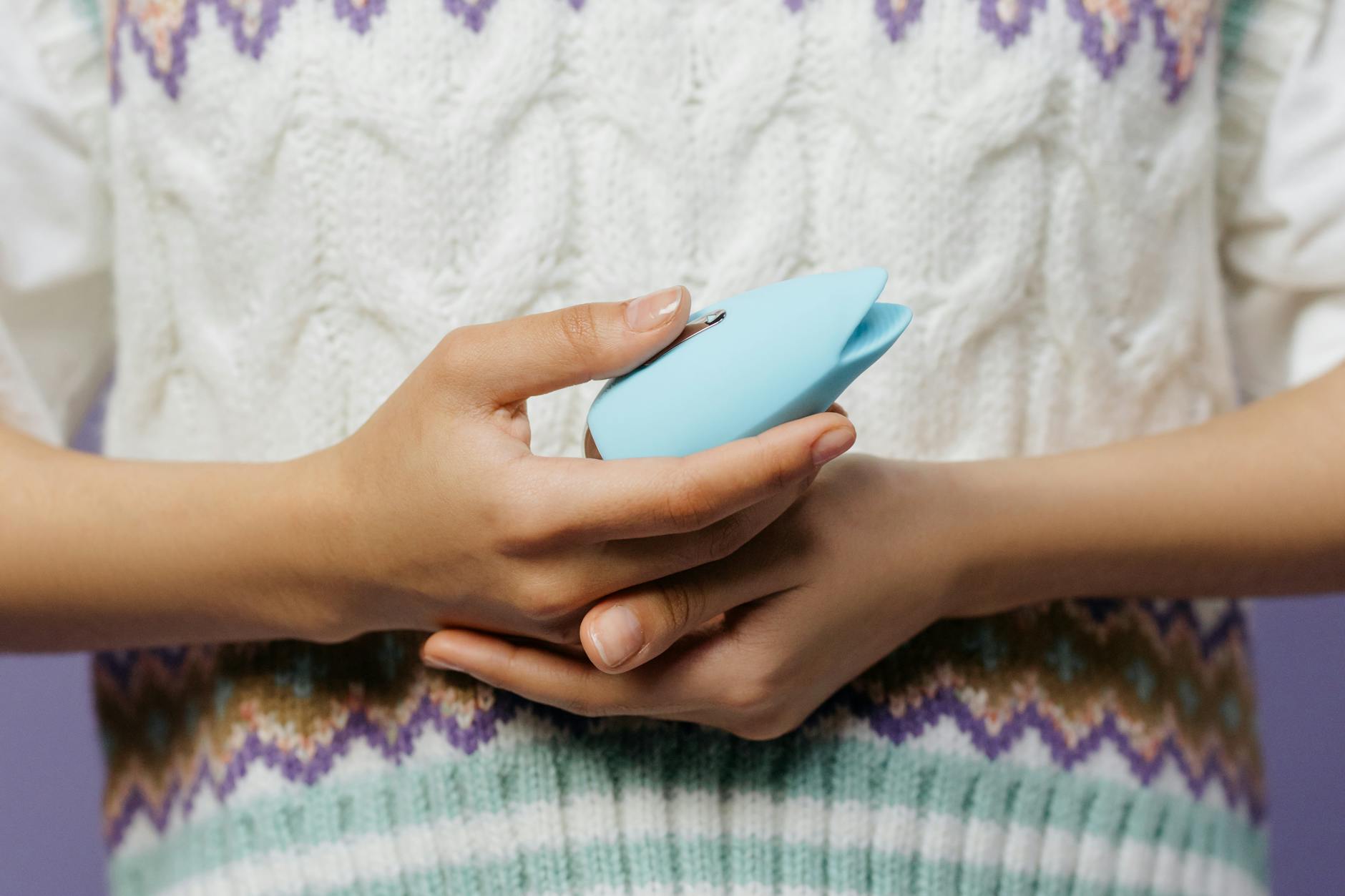
With air-suction lemon vibrators like the Lem, you have options during that recovery window. Unlike traditional vibrators that demand sustained high-frequency input, suction offers rhythmic, pulsing stimulation that often feels gentler on numb tissue while still delivering arousal.
How your nervous system recalibrates
Here's what matters: your clitoris isn't broken. It's just momentarily overstimulated.
The refractory period (the time before you can build arousal again) varies wildly depending on your age, hormone cycle, and how your particular nervous system is wired. Some people need five minutes. Others need an hour. There's no normal here except your normal.
What changes the timeline is recovery strategy. If you keep pushing intense vibration into numb tissue, you're fighting your nervous system's attempt to reset. You're also training your body to expect pain, which creates anxiety next time.
If you pause, breathe, switch to a gentler stimulus (or no stimulus), your parasympathetic nervous system can downshift. Blood flow returns. Sensation returns.
How to work with lemon clitoral vibrators during numb periods
The Lem's air-suction design matters here because it operates differently than traditional vibration. Instead of a back-and-forth buzzing motion that can feel abrasive on sensitive or temporarily numbed tissue, suction creates a gentle negative pressure that stimulates nerves without the same mechanical friction.
If you find yourself numb mid-session, here's what I recommend:
Switch down, not off. Move from a high suction pattern to patterns 1 or 2 on your Lem. The change in rhythm alone can help your nervous system reset while maintaining contact.
Reframe the timing. Instead of seeing this as a setback, use it as information. Your body just told you it had an intense experience. Honor that. Take a real break: three to five minutes of no stimulation, breathing, maybe touching your partner or yourself gently elsewhere.
Rebuild arousal intentionally. After the break, you have two options. You can start fresh with low suction patterns, moving slowly toward higher intensity again. Or you can pause penetrative or external stimulation altogether and focus on emotional connection, kissing, or non-genital touch for 10 minutes before returning to the Lem.
Use lube strategically. Water-based lubricant can make a huge difference because it adds glide and reduces friction. This matters especially if your tissue is sensitive post-arousal. The Lem works wonderfully with adequate moisture.
Why this matters for couples
One of the biggest disconnects I see is when one partner experiences post-arousal numbness and the other partner interprets it as rejection or loss of interest.
This is where language becomes everything. Instead of disappearing into your body, tell your partner: "I just need a pause. My nervous system is resetting. This has nothing to do with you." That sentence transforms the entire dynamic from confusion to collaboration.
Many couples find that using a lemon clitoral vibrator together during these windows creates intimacy instead of awkwardness. Your partner can hold you, you can use lower suction patterns, and you're still connected and building pleasure without demanding your body perform on a timeline it's not ready for.
When numbness signals something else
If numbness is persistent across multiple sessions, or if it's preventing you from feeling any pleasure at all, that warrants a conversation with a doctor or sex therapist. Persistent desensitization can sometimes indicate:
Neuropathy from diabetes or other conditions. Medication side effects (SSRIs and some blood pressure medications can affect sensation). Pelvic floor dysfunction (counterintuitively, too-tight pelvic floor muscles can reduce sensation). Hormonal shifts you haven't addressed yet.
None of these mean you should give up on pleasure. They mean you need diagnostic support. A sex-positive gynecologist can rule out medical factors. A pelvic floor physical therapist can assess if tension is the culprit. A therapist can help if anxiety is involved.
The permission you actually need
Here's what I tell clients: your body's ability to feel numbness after intense pleasure is evidence that your nervous system works. It's not broken. It's just doing exactly what it's supposed to do.
The real skill isn't fighting that response. It's working with your body's natural rhythm. That might mean shorter, more frequent sessions instead of one long session. It might mean building in recovery time between rounds. It might mean discovering that lemon clitoral vibrators work better for you during the numb window than other options.
Your pleasure doesn't have to look like anyone else's timeline. It just has to feel good to you.
Frequently asked questions
Why does my clitoris feel numb right after I orgasm?
Your clitoral nerves have just fired intensely. They need a brief recovery period before they'll respond to stimulation again. This is called accommodation. It's not a problem; it's your nervous system doing its job. The sensation returns, typically within 2-10 minutes, depending on your body and your cycle.
Can I use the Lem during this numb window?
Yes, but adjust your approach. Use lower suction patterns (1-3) instead of your usual intensity. The change in rhythm can help your nervous system reset while the gentler suction avoids the friction that might feel uncomfortable on temporarily sensitive tissue. Many people find this transition period actually feels good when the intensity is dialed down appropriately.
Is persistent clitoral numbness a sign of a problem?
If numbness lingers for hours after arousal, or if it happens regularly even when you're not sexually active, that's worth discussing with a healthcare provider. It can sometimes indicate medication side effects, hormonal shifts, pelvic floor tension, or rarely, neuropathy. A sex-positive gynecologist can help you figure out what's going on.
Does this happen to everyone?
Accommodation happens to everyone with a clitoris, but the intensity and duration vary wildly. Some people barely notice it. Others need a solid break before they can continue. Neither is wrong; they're just different nervous systems.
Can I prevent clitoral numbness?
You can minimize it by varying your stimulation. If you use the same vibration pattern at the same intensity every time, your nerves adapt more readily. Switching between air-suction devices like the Lem, taking breaks, or alternating between different suction patterns keeps your nervous system from getting too comfortable with one signal.
What's the difference between numbness and pain after arousal?
Numbness is absence of sensation. Pain is active discomfort. Pain during or after sexual activity warrants immediate attention from a healthcare provider. Numbness is usually just recovery time, but if it bothers you or interferes with your pleasure, talking to a therapist or doctor is worth doing.
The bottom line
Clitoral numbness after intense pleasure isn't a malfunction. It's your nervous system communicating that it just had a big experience and needs a moment to recalibrate. Understanding this transforms how you approach your body. Instead of fighting the numbness, you work with it. You adjust intensity, you take breaks, you use tools like the Lem that offer options during recovery windows. Most importantly, you stop believing there's something wrong with you. There isn't. Your body's just smarter than you gave it credit for.
If you're struggling with persistent numbness or desensitization, reaching out to explore support options can make a real difference. Get in touch with us if you'd like guidance on finding a sex-positive therapist or if you have questions about how different lemon vibrators might work for your specific body and cycle.