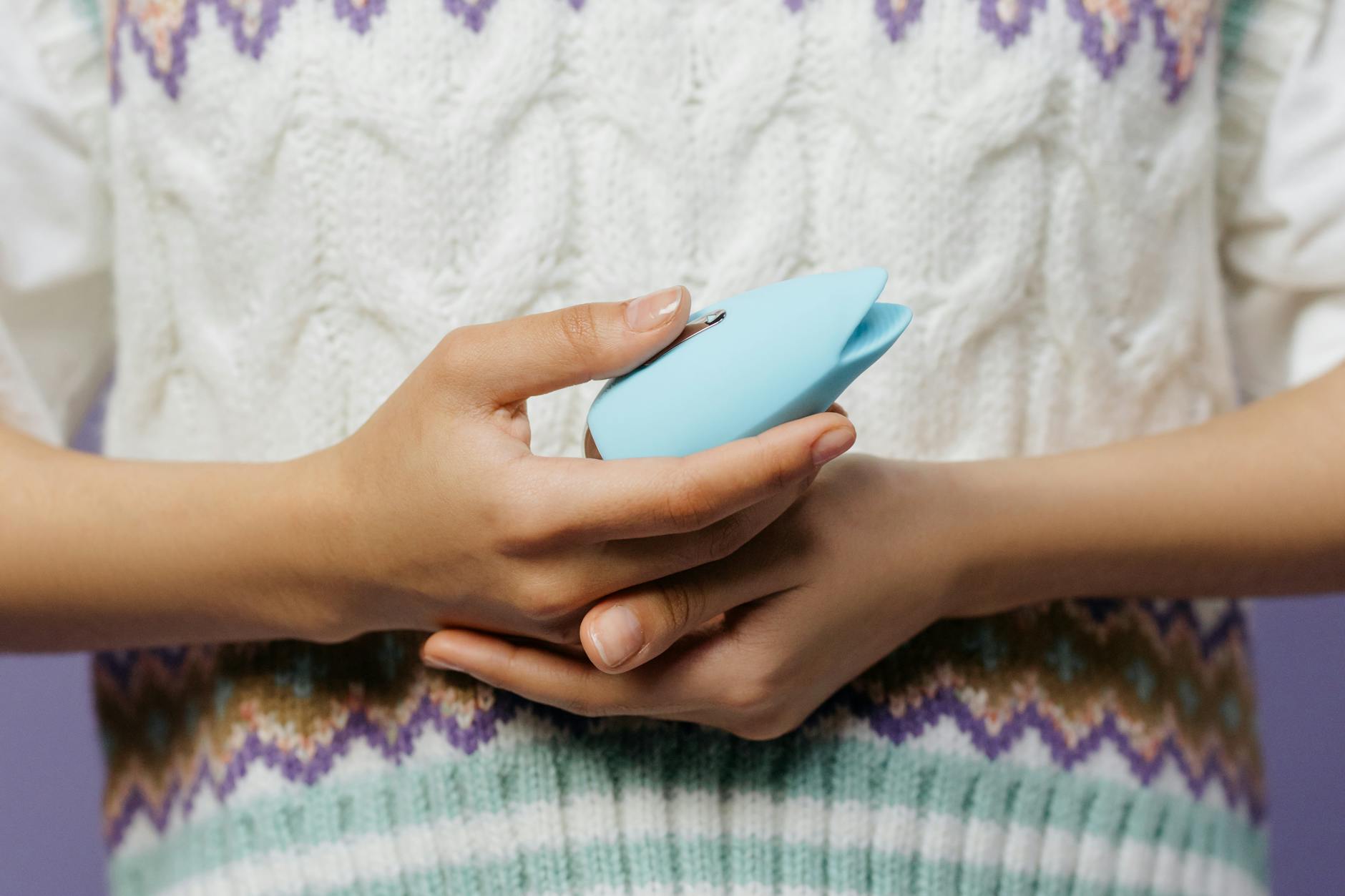
Let's talk about arousal that won't show up
You touch yourself. Nothing. Your partner initiates. Still nothing, or something so faint it barely registers. Then 20 minutes in, maybe 30, something switches on. Or it doesn't, and you fake it because at least then the confusion stops.
Arousal delay and numbness are not rare, and they're not broken. But they feel broken because pleasure is supposed to arrive on cue, right? Except for about half the people I work with, arousal shows up late. For a third of them, it barely shows up at all until something specific happens.
Here's what I've learned: numbness and delay are usually signaling something. Often it's fixable. And the way a lemon clitoral vibrator works makes it genuinely useful for this problem in ways traditional vibrators often aren't.
Why arousal gets stuck
Arousal numbness and delay have different root causes, and the fix depends on which one you're dealing with.
Numbness usually means the nerve pathways are still intact but the signal is weak. This happens with:
- Stress and hypervigilance. Your nervous system is managing a threat that isn't sexual. Cortisol quiets dopamine. The clitoris gets literally less blood flow.
- Medication side effects. SSRIs, some antihistamines, and blood pressure meds can dampen genital sensation even if you don't feel emotionally disconnected from sex.
- Pelvic floor tension. When the pelvic floor is chronically tight (usually from stress, past pain, or trauma), it restricts blood flow and nerve signaling. The sensation that reaches the clitoris is muted.
- Touch that's too predictable. Your brain has learned to tune it out. Same pressure, same rhythm, same location. Your nervous system stops paying attention.
Delay is different. The arousal machinery works, but it takes time to fire up. This usually means:
- Your arousal style is contextual, not spontaneous. You need mental connection, narrative, or a specific mood before your body can follow.
- You're in a transition phase (postpartum, post-illness, after stopping birth control). Your baseline dopamine has shifted.
- There's a mismatch between you and your partner's speed. Their arousal ramps in 5 minutes. Yours takes 20. You've learned to doubt that yours is coming at all.
The good news: suction vibrators like the Lem work for both because they work differently.
Why suction changes the game for delayed or numb arousal
Traditional vibrators buzz. The sensation travels through the tissue. If sensation is already dampened by stress or pelvic floor tension, a buzz often just... fizzes out. It doesn't have enough signal strength to break through.
Suction vibrators work by creating a gentle seal and a rhythmic pulse of air. This stimulates nerve endings differently. Instead of vibration traveling through tissue, suction pulls blood directly into the clitoris and triggers deeper nerve clusters that don't rely on surface sensitivity.
What this means practically: if your clitoris feels numb, suction often reaches it anyway. If your arousal is delayed, suction often speeds up the arrival because it's accessing deeper nerve pathways that traditional stimulation might miss.
I've had clients tell me they felt nothing with conventional vibrators for years, switched to a lemon vibrator, and had their first real orgasm in a decade. Not because the toy is magic. Because the mechanism matches their nervous system better.
The exact protocol for arousal numbness
If sensation is the problem, here's what I recommend.
Start with pelvic floor awareness, not the toy yet. Lie down. Put your hand on your lower belly. Breathe in through your nose for 4 counts. As you exhale, let your pelvic floor release. Don't clench and release. Just release on the exhale. Do this 5-10 times. This primes the blood flow and begins signaling safety to your nervous system.
Then introduce the Lem on the lowest setting. Place it on your clitoris. Don't move it. Let the suction do the work. Your instinct will be to move it or change the pattern. Resist. Stillness lets you feel the sensation more clearly. Thirty seconds at lowest setting.
Notice what you feel. Not "is this turning me on" but "what am I actually sensing right now." Warmth. Mild pressure. A gentle pull. Numbness doesn't mean you feel nothing. It usually means you feel something faint or generic. Name what's there.
Then try micro-movements. Once you've registered the base sensation, try moving the Lem very slightly in small circles. Millimeters. This often wakes up sensation faster than sitting still, because your nervous system notices change.
Expect the timeline to be long. If your arousal has been stuck for months or years, it's not going to fully unlock in 10 minutes. Budget 30-40 minutes. This isn't laziness or low desire. This is giving your nervous system time to remember how to respond.
The protocol for delayed arousal
If arousal works but arrives slowly, the game is different.
Get the mental setup first. Before touching yourself or using the Lem, spend 5-10 minutes doing something that primes arousal for you. Read something. Listen to music. Have a conversation with your partner. The goal is to get your brain in the room. Delayed arousal often means your body is waiting for your mind to catch up.
Then start with patterns 2-3 on the Lem. Not the lowest. Medium intensity. Delayed arousal usually means your nervous system can respond but needs enough signal to cross the threshold. Lower settings might not be enough.
Use rhythm to pace yourself. Don't jump between patterns. Stay on one pattern for 3-5 minutes. Let your arousal build. Switching constantly interrupts the momentum. Delayed arousal needs continuity.
Notice when you cross the threshold. Most people with delayed arousal can feel the moment when their body wakes up. Temperature changes. Lubrication starts. The sensation becomes sharper. Mark that moment. The next time, you'll recognize it faster.
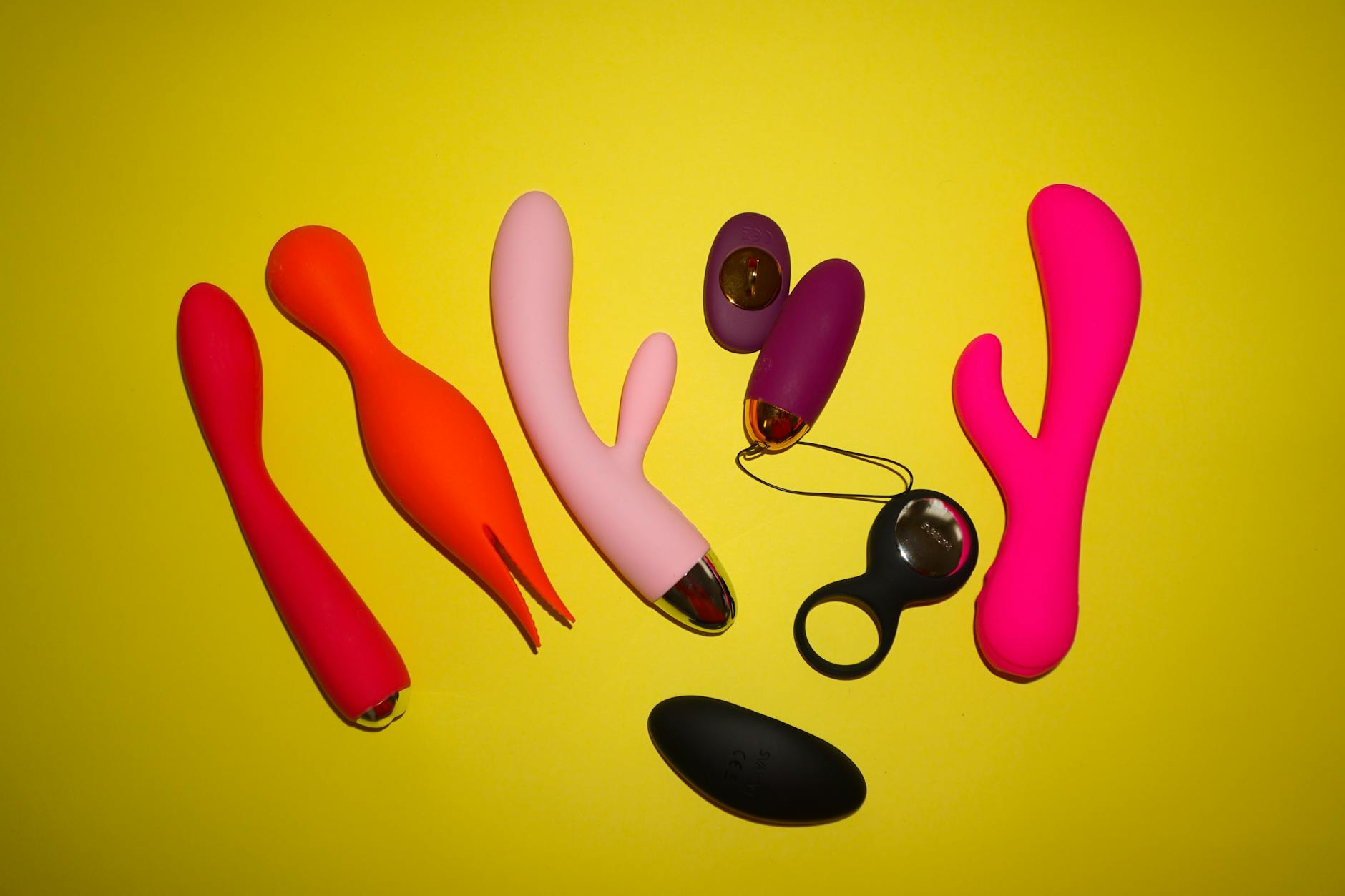
Photo by FounderTips on Pexels
When partners are involved
Here's where delayed or numb arousal causes real friction.
Your partner is ready. You're not. They feel rejected. You feel pressured. Both of you stop trying. This is how arousal delay becomes arousal death in a relationship.
If this is happening to you, have this conversation outside the bedroom: "My arousal takes longer than yours. That's not a reflection on how I feel about you. It's how my nervous system is wired. I want us to work with that instead of against it."
Then agree on a real protocol. Maybe your partner starts the foreplay solo while you use the Lem. Maybe you use the Lem first, alone, to get to a baseline arousal, and then you come together. Maybe they stimulate you in a way that works alongside the toy.
The key is making the delay a non-issue before you get in bed. If you're solving it during sex, you're already stressed, and stress makes everything slower.
When to see someone
If numbness showed up suddenly after you started a medication, talk to your doctor about switching. Some SSRIs have less impact on sexual response than others. A good GP won't make you choose between mental health and sexual health.
If numbness came with pain, or if arousal delay is paired with persistent low desire, see a pelvic floor physical therapist. Pelvic tension is incredibly common and incredibly fixable. Six sessions often make a huge difference.
If arousal delay feels tied to relationship disconnection, couples work helps. A lot. The arousal will often follow the emotional connection.
But none of those require you to wait. Start with the Lem protocol. You'll know within a few sessions whether you're on the right track.
What most people get wrong
They assume arousal delay means low desire. It doesn't. Someone with delayed arousal often has intense desire. It just takes them 20 minutes to feel it instead of two.
They assume numbness is permanent. It isn't. Numbness is usually your nervous system protecting you from something. Change the something (reduce stress, release pelvic tension, feel safer) and sensation returns.
They assume a stronger vibrator will help. Often it makes things worse. If you're already numb, more buzz just causes fatigue. Suction works better because it's not additive. It's different.
Arousal delay and numbness are frustrating, but they're not failures. They're signals. Listen to them, adjust your approach, and give yourself time. The payoff is arousal that actually arrives on its own schedule, which is usually more intense than the rushed version.
People also ask
Can delayed arousal get better with the Lem vibrator?
Yes. Delayed arousal often responds well to the Lem because suction stimulation can trigger arousal faster than traditional vibration in some people. But the Lem isn't a magic fix for the underlying cause. If your delay is rooted in stress, relationship disconnection, or hormonal shifts, those need attention too. Use the Lem as part of a broader approach that includes managing stress, connecting with your partner emotionally, and giving yourself time. Most people see improvement within 2-3 weeks of consistent use.
Is arousal numbness the same as anorgasmia?
No. Arousal numbness means sensation feels faint or delayed. Anorgasmia means you can't reach orgasm even when sensation is present. You can have one without the other. You can have numb arousal but still orgasm (it just takes longer or feels less intense). Or you can have full sensation and struggle with orgasm for different reasons. If sensation returns but orgasm still doesn't, that's a different protocol and worth exploring with a therapist.
Should I use numbing cream before using a lemon vibrator?
Absolutely not. Numbing cream will make the problem worse by further reducing sensation. If your clitoris already feels numb, the last thing you need is chemical dampening on top of it. What you need is stimulation that reaches deeper nerve pathways, which is what suction does. Numbing cream would work against that.
How long should I expect to use the Lem before I feel a change?
Most people notice some shift within 3-4 sessions if the tool is the missing piece. But be honest about what "shift" means. It might not be pleasure yet. It might just be clearer sensation. Or faster arousal arrival. Those are progress. If after 2 weeks of regular use (3-4 times per week) you feel zero change, the cause is probably not something a vibrator can fix alone. See a pelvic floor PT or a therapist. The Lem is a good tool, but it's not a solution for every arousal issue.
Can arousal numbness be caused by my relationship?
Yes, often. If you don't feel emotionally safe, seen, or desired by your partner, your nervous system will dampen arousal as a protective response. You can use the Lem, but if the relationship issue is still there, arousal will keep flatting out. Have an honest conversation with your partner about emotional connection. Or see a couples therapist. Sometimes the toy helps you reconnect to your own pleasure while you work on the relationship. Sometimes you need to fix the relationship first.
Is it normal for arousal to take 20-30 minutes to kick in?
Completely normal. About 30-40% of people with vulvas have arousal styles that are contextual rather than spontaneous. Your body isn't broken. Your arousal just requires the right conditions. Mental clarity, emotional safety, a specific mood, or specific stimulation. Once you know your pattern, you can work with it instead of fighting it. Most couples I work with find that planning for the longer warm-up makes sex actually better because there's less pressure and more presence.
Next steps
Arousal numbness and delay are real, they're fixable, and you don't have to manage them alone. Start with the protocols I've outlined, give yourself at least two weeks of consistent practice, and pay attention to what shifts. If nothing changes, reach out to a pelvic floor therapist or a relationship counselor. The Lem is an excellent tool, but it's one piece of a larger picture.
Your pleasure matters. It's worth the time to get it back online.