Here's the uncomfortable truth no one tells you
Anti-anxiety medication is genuinely life-changing. It quiets the catastrophizing, steadies your breath, and makes it possible to sleep. But somewhere in that calming effect, sexual pleasure often goes quiet too. Your brain doesn't want to fire up for arousal the same way it did before. Orgasms take longer. Sometimes they don't come at all. It's not depression. It's not your relationship. It's the medication doing exactly what it's supposed to do: dampening the nervous system activation that powers both anxiety and sexual response.
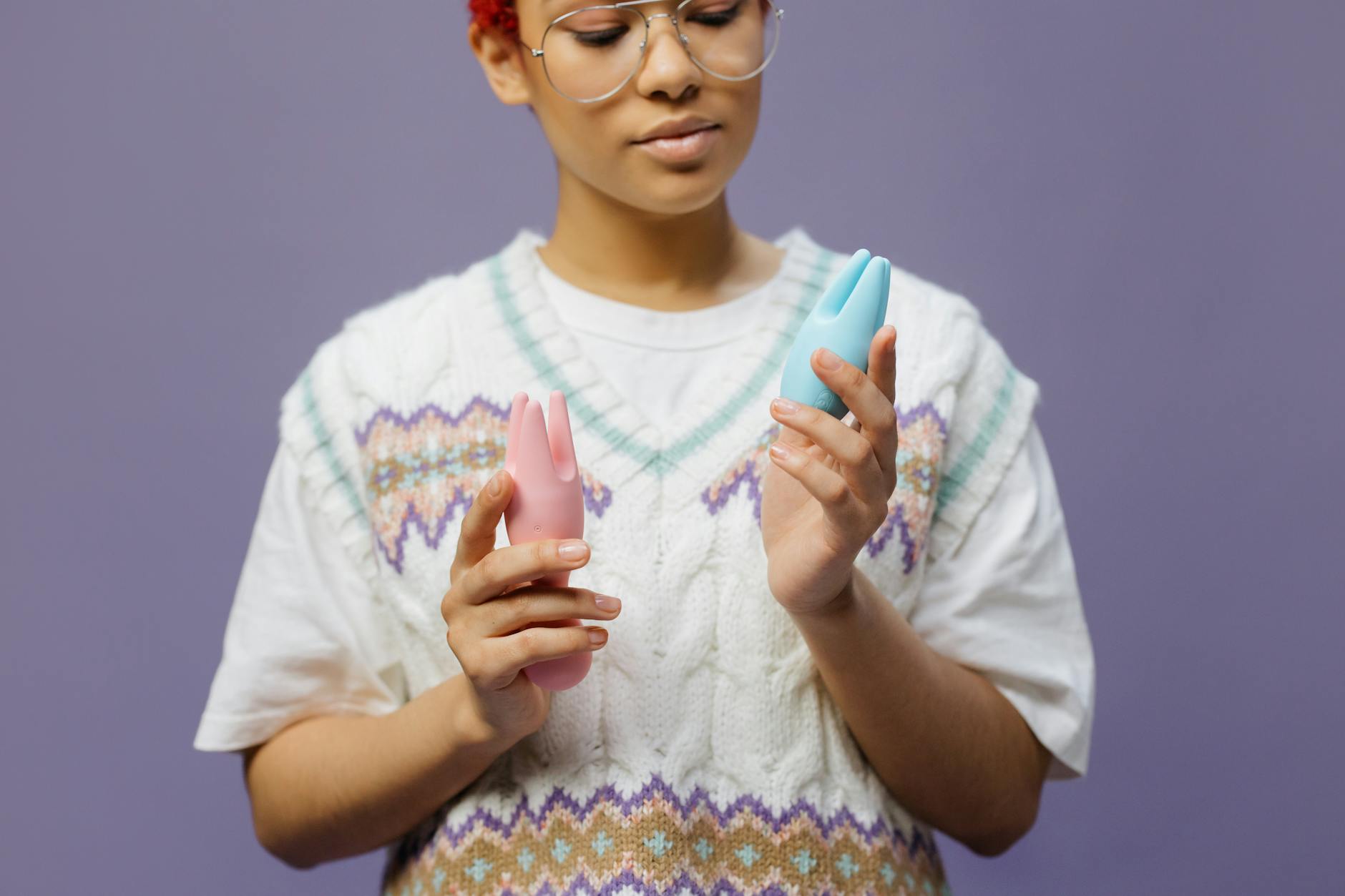
The good news is that you don't have to choose between mental health and pleasure. There's a reason people on SSRIs, SNRIs, and other anti-anxiety drugs find that air-suction clitoral stimulators like the Lem Vibrator work differently than traditional vibrators. It's not magic. It's neurology.
Let me walk you through what's happening in your body, and how to work with it instead of against it.
Why anti-anxiety meds flatten arousal in the first place
Most anti-anxiety medications work on serotonin and dopamine. Serotonin helps calm the amygdala, your brain's alarm system. That's the goal. But serotonin also plays a role in sexual motivation and orgasm intensity. When your serotonin levels rise, some people experience decreased libido and delayed orgasm as a trade-off for reduced anxiety.
SSRIs (selective serotonin reuptake inhibitors) are particularly notorious for this. Sertraline, paroxetine, fluoxetine, citalopram. They work. They also, in roughly 40-60% of people, create sexual side effects that range from mild desire dampening to anorgasmia, where orgasm becomes possible but requires significantly more stimulation.
SNRIs (serotonin-norepinephrine reuptake inhibitors) like venlafaxine can do the same thing, though some people tolerate them better.
The problem isn't that you're broken. It's that traditional vibrators rely on rapid-fire stimulation that pairs with your brain's natural arousal acceleration. When anti-anxiety meds slow that acceleration, a standard vibrator can feel like you're trying to move a mountain with a toothpick.
Why air-suction technology actually works here
A lemon clitoral vibrator uses a completely different mechanism. Instead of vibration, it creates gentle pulses of suction that stimulate the clitoris without the same mechanical friction. The stimulation is broader, gentler at first, and crucially, it builds differently in your nervous system.
When you use a lemon sucker, you're not trying to force a rapid arousal response. You're working with your brain's actual neurological capacity. The suction creates a sensation that reaches more nerve endings across the clitoris at once, which means your brain registers pleasure with less intensity needed to cross the threshold.
For people on anti-anxiety medication, this changes everything. You get an orgasm that feels earned rather than forced.
The setup that actually matters
If you're using a lemon clitoral vibrator while on anti-anxiety meds, the environment and pacing matter more than they did before. Here's what works:
Remove the time pressure completely. Your brain is chemically less primed for the sprint. Budget 20-40 minutes instead of 5-15. This isn't a bug. It's actually an opportunity. Longer sessions mean more pleasure overall, even if individual peaks feel softer.
Start with the lowest suction setting. Pattern 1 or 2. Your nervous system is already dampened. You don't need to override it with maximum intensity. You need to invite it forward gently.
Use lube even if you don't think you need it. Anti-anxiety meds can also affect natural lubrication because they affect your overall sympathetic nervous system response. Water-based is your friend here.
Foreplay that actually works. Spend 10-15 minutes on things that feel good without any goal. Your partner's hands, kissing, whatever resets your expectation from "orgasm required" to "pleasure happening." Then introduce the lemon vibrator.
Position yourself for comfort, not performance. If you're tensing to try to come faster, your nervous system digs in harder. Lie back. Prop pillows. Make it so your only job is to notice sensation.
What changes emotionally (and why it matters)
A lot of people on anti-anxiety meds also carry what I call "medication grief." The medication fixed the panic attacks, but it took something else too. That grief is real and it's valid. And it often creates a secondary anxiety during sex: "Will it happen? Can I still feel this? Am I broken?"
When you switch to a tool like a lemon vibrator that actually works with your medication instead of fighting it, something shifts. The answer becomes "yes, it happens, and it happens differently." That difference stops feeling like loss and starts feeling like adaptation.
Many of my clients report that using a lemon clitoral vibrator helps them separate two conversations that usually get tangled: "my medication is working" and "I still deserve pleasure." Those aren't in conflict. They're both true.
When to talk to your doctor (and what to ask)
If the sexual side effects are severe enough that you're considering stopping your medication, do not do that silently. Talk to your prescriber. There are legitimate options:
Timing adjustments. Some people find that taking their dose right after sex instead of before helps. It's not magic, but it can shift the timing.
Dose adjustment. Sometimes a slightly lower dose maintains the anxiety relief while reducing sexual side effects.
Medication swap. Not all anti-anxiety meds hit everyone the same way. Buspirone, for example, has fewer sexual side effects than SSRIs for some people.
Addition of a second medication. Bupropion (Wellbutrin) is sometimes added specifically to counteract sexual side effects from SSRIs. It's not ideal, but it works for many people.
Your doctor should be able to have this conversation without judgment. If they can't, find one who will.
The realistic timeline
Orgasms on anti-anxiety meds with a lemon sucker don't look like they did before. They take longer. They might feel less intense at the peak but often feel more satisfying overall because you're not racing.
Give yourself at least 4-6 weeks of regular use before deciding if this is working. Your body needs time to adjust. The first week might feel frustrating. By week three or four, most people notice a significant shift. By week six, this becomes your new normal.
Also: different drugs, different people, different timing. If you've been on your medication for six months and it's still flattening things, that's different from someone who just started. The adjustment period varies wildly.
Partners matter too
If you have a partner, the best conversations happen before you bring a toy into the bedroom. "My medication is making this harder. I found something that helps. I'd like to try it together" is radically different from silently pulling it out and hoping they don't feel replaced.
Most partners actually feel relieved. The alternative is often frustration on both sides: you, pressure to perform faster than your brain can right now. Them, wondering if it's about attraction. A lemon vibrator reframes it: this is a solution we're using together.
Reality check: what you're aiming for
You're not trying to get back to pre-medication pleasure. That's actually a form of perfectionism that will make this harder. You're trying to build pleasure that works with your actual nervous system right now.
Is that less intense than before? Sometimes. But intensity and satisfaction aren't the same thing. Some of my clients report that their first orgasm on a lemon clitoral vibrator while on anti-anxiety medication is the most present, least anxious orgasm they've had in years. That presence is worth something.
Frequently asked questions
Can I use a lemon vibrator if I'm on multiple anti-anxiety medications?
Yes, though the effect might be more pronounced. Polypharmacy (multiple medications) can compound sexual side effects. The principles stay the same: start low, go slow, build the session time. Some people need even longer warm-up periods or might benefit from combining the lemon vibrator with partner touch.
Will switching to a lemon sucker actually help my orgasm, or is this just a placebo effect?
Both. The mechanism is real: air-suction stimulation engages different nerve pathways than vibration, which helps when your nervous system is dampened. But psychology matters too. When you stop fighting your medication and start working with it, your brain settles. That's not placebo. That's adaptation. The lemon vibrator is the tool that makes that adaptation possible.
How long after starting medication should I wait before trying a new approach to pleasure?
About two weeks minimum. Your body needs time to find a new baseline. If you're one week in and panicking, you don't have enough data yet. Three months is a better checkpoint for real patterns.
If I eventually go off the medication, do I need to stop using the lemon vibrator?
Not unless you want to. Some people find that they prefer it anyway. The experience is different, and different doesn't mean worse. Others go back to what they used before. There's no rule.
Can anti-anxiety meds permanently damage my ability to orgasm?
No. Sexual function returns for most people once the medication is discontinued or adjusted. In the meantime, you're not broken. You're temporarily recalibrated. That's fixable.
Should I use the lemon vibrator solo or with a partner if I'm on anti-anxiety meds?
Try both. Solo gives you data about what actually works for your body without the performance pressure of another person present. That's valuable. But many people find that partner presence plus the lemon vibrator creates a context where pleasure flows more easily than either alone. There's no single right answer.
The bottom line
Anti-anxiety medication is worth the cost to your mental health. Your pleasure isn't something you have to sacrifice for it. A lemon clitoral vibrator designed with your actual nervous system in mind makes that true. You're not working around a limitation. You're working with your body as it is right now.
If you'd like to explore how different approaches might work for your specific situation, or if you have questions about navigating medication and intimacy, reach out. I'm here to help you build pleasure that feels real for you.