Let's start with what matters most
Pleasure after trauma isn't something you owe anyone. Not yourself, not a partner, not some imagined timeline of "getting back to normal." Rebuilding your relationship with your body is your own pace, your own rules.
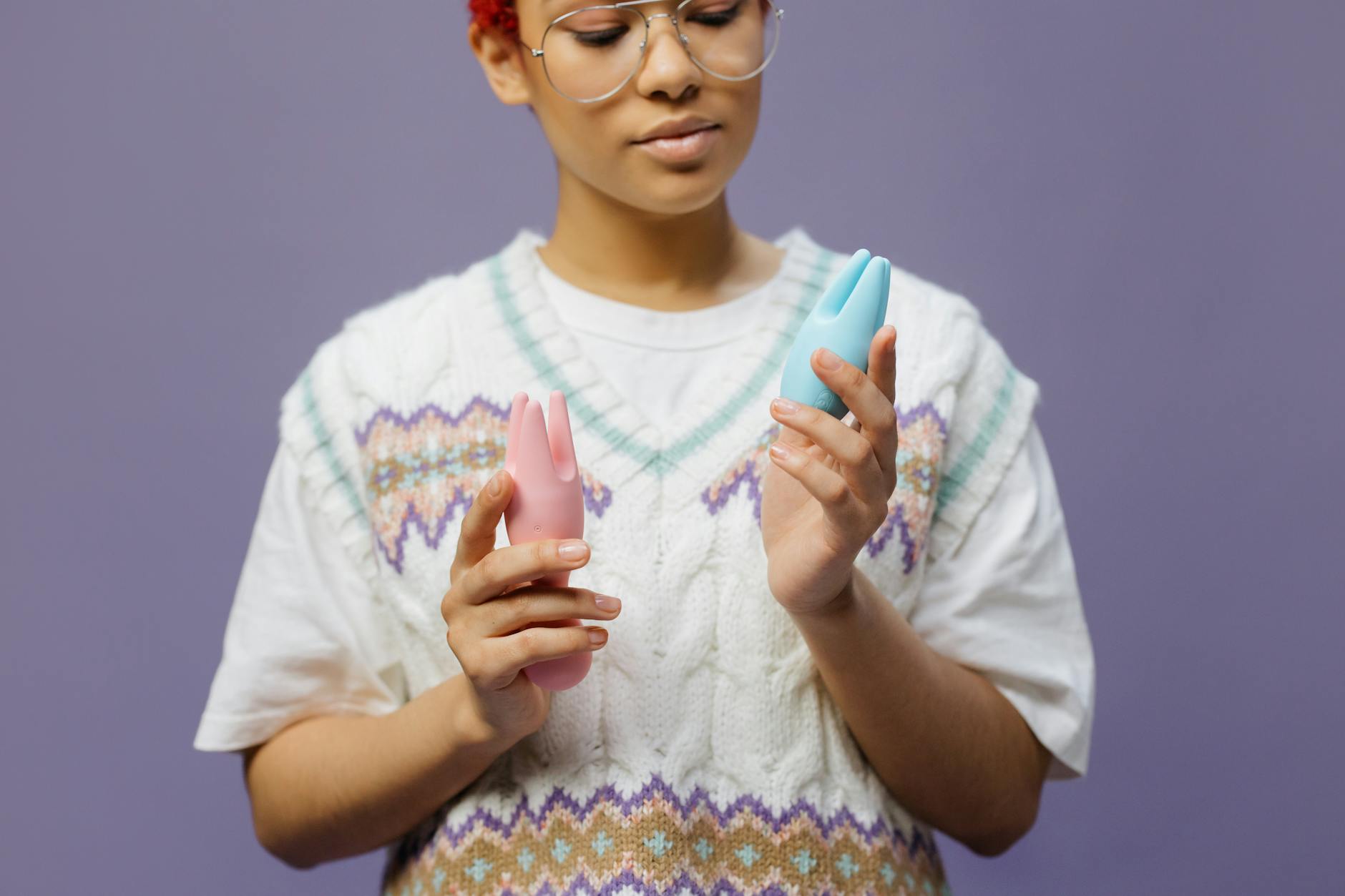
The reason I'm writing about lemon vibrators specifically in this context is simple. Suction-based stimulation gives you something traditional vibrators don't: absolute control over intensity and rhythm. You're not bracing for a vibration pattern someone else programmed. You're directing your own sensations, which matters enormously when your nervous system is learning to trust pleasure again.
Why trauma changes pleasure
When the body experiences sexual trauma, your nervous system essentially files pleasure away as unsafe. That's not a personal failing. That's your brain doing exactly what it evolved to do. The vagus nerve, which plays a huge role in arousal and orgasm, gets stuck in a protective crouch.
This means several things might happen:
Arousal feels muted or disappears entirely. Your body's natural lubrication might not show up the way it used to. You might feel numb in areas that used to feel sensitive. Anxiety might spike the moment stimulation begins, even if you logically want it. Touch from others, or even self-touch, might trigger flashbacks or dissociation.
None of these responses mean you're broken. They mean your nervous system is doing its job. The work is teaching it that pleasure can be safe again.
Why a lemon vibrator changes the game
Here's the part that sets lemon clitoral vibrators apart. Unlike traditional vibrators, suction toys work through gentle pulse patterns, not direct mechanical friction. That distinction matters when your body's threat detection is dialed high.
With suction-based stimulation, you get several advantages:
You control the pressure. The Lem and other lemon-style tools let you dial intensity up or down in real time. No surprises. No vibration pattern that suddenly changes. Your nervous system doesn't have to white-knuckle through unwanted sensations.
The sensation is diffuse. Suction stimulates a broader nerve cluster rather than hammering one specific point. This feels less invasive for people rebuilding their relationship with touch.
You can pause without ceremony. If dissociation or anxiety kicks in, you simply release. No fiddling with buttons or turning something off. That agency matters psychologically.
The buildup is gradual. Suction-based toys don't create sudden intensity spikes. Sensation builds slowly and predictably, which keeps your brain's threat response calmer.
The nervous system work that comes first
Before you even pick up a lemon vibrator, your vagus nerve needs some attention. This isn't woo. This is neuroscience.
Your vagus nerve is the main cable between your brain and your sexual organs. When trauma locks it in sympathetic (fight-or-flight) mode, pleasure signals get blocked. You can physically use a toy and feel absolutely nothing, because the neural pathway isn't firing.
Three things that wake the vagus nerve up:
Breathwork. Slow, deliberate breathing with a longer exhale tells your nervous system it's safe. Try 4-count inhale, 6-count exhale for five minutes before any self-pleasure session. This isn't spiritual. It's physiology.
Safe touch. Not sexual touch. Warm baths, self-massage on your arms or legs, brushing your own hair slowly. Your nervous system learns that touch is possible without threat.
Movement. Shaking, dancing, stretching, or walking. Trauma gets stored in the body as frozen energy. Movement helps metabolize it.
Spend at least two weeks doing this foundational work before introducing any vibration. Your body needs to remember that sensation can feel good.
Your first session with a lemon vibrator
Honestly though. Set an hour. Don't rush. You're not trying to orgasm. You're gathering data.
Start clothed, fully dressed. Sit with the toy in your hands. Look at it. Touch it. Get used to its weight and temperature. Let your brain file it as "object, not threat." Spend ten minutes here. This seems excessive. It's not.
Turn it on over your underwear. Still clothed. Feel the suction pattern through fabric. Your threat response has distance. You have a barrier. Use patterns 1 and 2 only. Anything higher stays off-limits for now.
Notice what happens. Sensations? Numbness? Anxiety spike? Racing thoughts? Boredom? All valid. You're not judging. You're observing what your body does.
Stop after five minutes. Don't push toward pleasure. Just stop, breathe, and notice what happens in the nervous system after stimulation ends. Does anxiety linger? Does it settle? Does nothing change? This information matters.
Repeat this exact setup three to four times before progressing.
Building from there
Once five minutes over clothing feels unremarkable, you can progress. This might take two weeks or two months. There's no timeline.
Next phase: same setup, but direct contact on the vulva, still starting with intensity 1. Again, five minutes max. Again, stopping intentionally rather than building to orgasm.
The goal here isn't sensation. It's safety. You're teaching your nervous system that stimulation doesn't equal danger. That takes repetition.
When touching yourself directly starts to feel ordinary (not necessarily pleasurable, just ordinary), you can extend time to 10 minutes and maybe bump intensity to level 2.
Notice I'm saying "maybe." You decide. Your body's feedback matters more than any timeline.
When dissociation or flashbacks happen
They probably will. That's not failure. That's information.
If you feel yourself leaving your body or see/feel something from the original trauma, stop immediately. Put the toy down. Ground yourself in the room: name five things you see, four you can touch, three you hear, two you smell, one you taste. This is the 5-4-3-2-1 technique. It works.
Take a break. Don't try again that day. The next time you start, pick a lower intensity or shorter duration. There's no such thing as going "backward." You're gathering information about your nervous system's limits.
If flashbacks become frequent or severe, this is therapist territory. A trauma-informed sex therapist or EMDR specialist can help in ways that a toy and a blog post cannot.
The role of a partner, if there is one
If you're in a relationship, your partner doesn't need to be present for this work. In fact, pressure from a partner or performance anxiety about using the toy "right" can tank the whole project.
Your pleasure isn't proof that you're healing. Your pleasure isn't what your partner gets out of this. Your pleasure is your own data about your nervous system's capacity.
If and when you want to explore with a partner, that's a separate conversation. Start with letting them know you're working with a lemon vibrator on your own terms. That's enough information for now.
What healing actually looks like
It doesn't look like suddenly being able to use the Lem at high intensity. It doesn't look like orgasming reliably. It doesn't look like "getting back to how you were before."
Healing looks like being able to touch your own body without your nervous system flooding with threat. It looks like five minutes of suction stimulation without dissociation. It looks like the ability to stop without guilt, and to start again next week without dread.
Healing is nonlinear. You might have a week where everything feels possible, then a week where touching yourself triggers anxiety. This isn't regression. This is how nervous system recovery actually works.
Trust the process. Trust your body. And if you need professional support, reach out. A trauma-informed therapist and a lemon vibrator can work together. They're not in competition.
People also ask
Is it normal to feel nothing when using a lemon vibrator after trauma?
Completely normal. Trauma creates numbing as a protective response. The sensory pathways are intact, but the nervous system isn't allowing signals through. Numbness is actually evidence your body is protecting itself, which is smart. With consistent, low-pressure exposure and vagal work, sensation usually starts returning within weeks. There's no timeline, though. Some people take months. That's fine.
Can a clitoral vibrator re-traumatize me?
It's possible if you're pushing yourself faster than your nervous system can handle. That's why starting over clothing, at low intensity, for short sessions, matters so much. You're in total control. If at any point it feels unsafe, you stop. A tool that causes distress isn't the right tool right now. Your body will tell you when you're ready to progress.
Should I tell my therapist I'm using a lemon vibrator?
Yes, especially if you're working with a trauma specialist or sex therapist. They need the full picture of what you're doing to support your healing. They might have specific guidance based on your particular trauma history. A good therapist won't shame you. If they do, that's a sign to find a new therapist.
How long before I can use a lemon vibrator with a partner?
There's no fixed timeline. Some people feel ready after two months of solo work. Others need six months or a year. The question isn't "Am I ready yet?" It's "Can I be present in my body and set boundaries if I need to stop?" If the answer is yes, you're probably ready. If you're still dissociating or feeling numb even after weeks of work, solo exploration continues to be the priority.
What if I have triggered anxiety every time I try?
That's feedback. Your nervous system isn't ready yet, or the approach needs adjustment. Try longer breathwork before touching the toy. Try using it in a different room or time of day. Try having a comfort object nearby. Trauma response is specific and quirky. You'll figure out what helps your particular nervous system. And if nothing helps, a trauma-informed therapist can offer EMDR, somatic experiencing, or other modalities specifically designed for this.
Is it okay to use a lemon vibrator during antidepressants or anti-anxiety medication?
Yes. Medications don't make self-pleasure wrong or dangerous. Some medications do dull sensation or complicate orgasm. If you notice numbness, discuss it with your prescriber. Adjusting timing or dosage sometimes helps. You may also find that as your nervous system stabilizes on medication, sensation returns naturally. The toy remains a useful tool regardless.
What comes next
Healing from trauma is messy and nonlinear and takes longer than you probably want it to. There's no shortcut. But tools like lemon vibrators, combined with nervous system work and professional support, do help people rebuild their relationship with their own pleasure.
Your body isn't broken. Your nervous system did exactly what it should have done in response to threat. The work now is teaching it that safety is possible again.
If you're struggling with this process or if the anxiety and dissociation aren't improving after several weeks of consistent work, reach out to a trauma-informed therapist. You don't have to navigate this alone. Get support, get grounded, and move at your own pace.
Your pleasure matters. Your safety matters more.