
The shift no one talks about at 30
Your 30s don't feel like menopause, and they're not. But something quietly shifts. Orgasms arrive slower. Sensation feels muted in ways you can't quite name. Arousal, which used to be almost involuntary, now requires actual intention. You're not broken, and you're not losing desire. Your body is just responding to hormonal changes that nobody warns you about.
Here's what's happening: progesterone naturally creeps up in your 30s, cortisol stays elevated from accumulated life stress, and estrogen begins a subtle decline years before perimenopause arrives. These shifts don't disable pleasure. They change the texture of it. And once you understand that, you can work with it instead of against it.
Why your clitoris feels different than it did in your twenties
The clitoris is exquisitely sensitive to hormone levels. When estrogen dips even slightly, the skin around the clitoral complex becomes thinner. Blood flow shifts. The speed of arousal changes. Penetration might feel fine while direct clitoral touch feels either too intense or not intense enough. It's not damage. It's recalibration.
The second piece is cortisol. By your 30s, most people have accumulated a decade or more of background stress. Cortisol suppresses the parasympathetic nervous system, which is what needs to activate for arousal to build. You're not relaxed the way you were at 23. That's not a choice. That's physiology.
A third factor is progesterone's rise. Higher progesterone can dampen dopamine, which fuels desire and sensation seeking. You might find yourself less interested in quickies and more needing context, foreplay, and emotional grounding. Again, not loss of capacity. Shift in the pathway.
What a lemon vibrator does differently
Most vibrators apply direct pressure and high-frequency vibration. That works beautifully when your clitoris is primed and sensitive. When sensation is muted or when direct touch feels overwhelming, pressure-based vibrators can actually make things harder because they demand that your tissue is already responsive.
Lemon vibrators and other suction-based clitoral devices work via a different mechanism. They create gentle air-pulse stimulation that doesn't require direct pressure. This means you get sensation without demand. Your clitoris doesn't have to be aroused to ten before the device starts working. It can help bring you from a four to a six to an eight, gradually.
For hormonal bodies in their 30s, this is often the shift that matters most. You're not trying to magnify an existing sensation. You're trying to wake up sensation that's quiet.
The stress piece (which is huge)
If I had to pick one factor that changes pleasure in your 30s more than hormones, it would be accumulated stress. By your mid-30s, you've probably got career momentum that requires focus, maybe relationship negotiations that take emotional labor, possibly kids or aging parents or both, and a background hum of news stress that barely registers until your body does.
High cortisol does three things to pleasure: it reduces blood flow to the clitoris, it dampens oxytocin (the hormone that makes touch feel good), and it keeps you in a low-level fight-or-flight state where arousal feels like a luxury you don't have time for.
The reason suction vibrators like the Lem help here is unexpected. Because they don't require you to already be aroused, they can be part of stress relief rather than another performance you have to achieve. You can use a clitoral vibrator for five minutes in a way that feels genuinely restorative rather than goal-oriented.
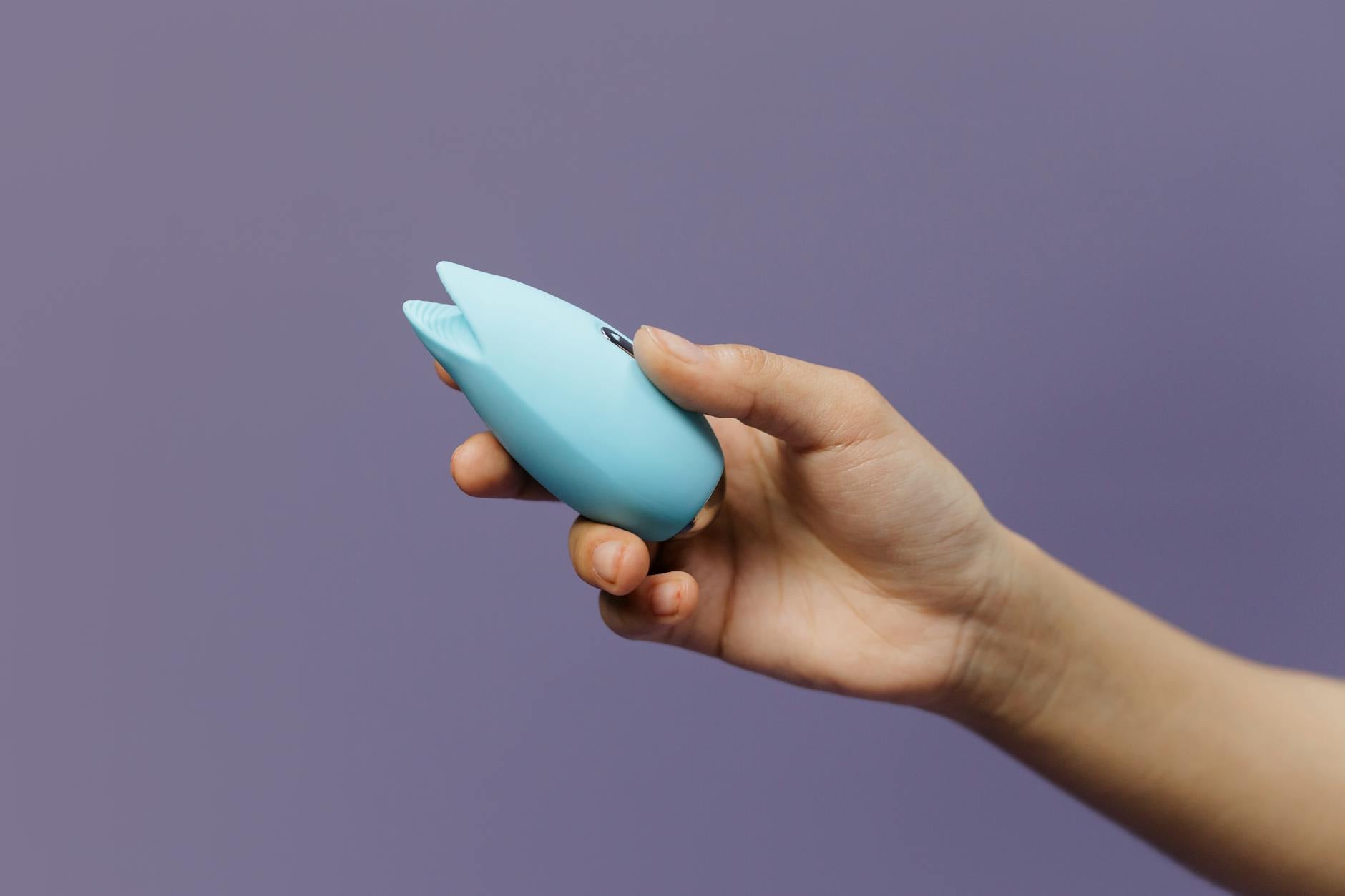
Photo by cottonbro studio on Pexels
Practical shifts for sensation in your 30s
Here are four adjustments that usually help:
Start with longer foreplay than you did in your twenties. Not because you've lost capacity, but because activation takes longer. Give yourself 20 to 30 minutes of touch, kissing, or solo exploration before expecting sensation to peak.
Use water-based lubricant even if you don't think you need it. Thinner clitoral tissue is more sensitive to friction. Lube isn't about being "broken." It's about protecting sensation.
Try suction-based stimulation before pressure-based. If you've been a vibrator person, experiment with how suction feels. Many people in their 30s find it builds sensation more gently and sustains it longer.
Address stress somewhere other than the bedroom. This is maybe the most unglamorous advice, but it matters. Consistent sleep, movement, and ten minutes of non-phone downtime actually change how your nervous system responds to touch.
Building connection back to sensation
If you're partnered, this shift can feel like distance. Your partner touches you the way they always have, and something feels off. The temptation is to assume the relationship has changed. Often what's changed is your nervous system's capacity to receive.
The conversation that helps: "My body is responding differently to touch, and I want to explore that together." Not "Something is wrong with how we connect." Not "I'm broken." Just factual, honest, curious. You're not asking your partner to perform differently. You're inviting them into understanding what's actually happening.
That's when adding a device like a lemon vibrator becomes less about "me" and more about "us." It's a tool that lets both of you understand your body's new pacing. It takes pressure off performance and redirects it toward exploration.
When it's more than hormones
If sensation loss is sudden, sharp, or accompanied by pain, don't wait. Thyroid changes, medication shifts, or other conditions can all affect clitoral sensation. A good gynecologist or sex-positive therapist can help distinguish between normal hormonal recalibration and something that needs clinical attention.
Similarly, if desire has completely disappeared and isn't returning after a few months of stress reduction and nervous system support, that's worth exploring with a specialist. Low desire in your 30s is sometimes hormonal, sometimes relational, sometimes both. Getting clarity takes professional perspective.
The reframe
Your 30s don't end pleasure. They transform it. The sensitivity you had at 23 might genuinely be gone, and that can feel like loss. But the capacity for depth, for sustained arousal, for complex sensation, often arrives in this decade. You just have to learn the new language your body is speaking.
Tools like lemon vibrators exist precisely for this recalibration. They work with your shifting body instead of demanding that your body stay the way it was. And once you're working with yourself instead of against yourself, pleasure often comes back richer than it was before.
Frequently asked questions
Why does my clitoris feel less sensitive in my 30s than it did before?
Three hormonal shifts usually contribute: a natural decline in estrogen (which starts in your 20s, not at menopause), a rise in progesterone, and the accumulated suppression of arousal hormones by chronic stress. Your clitoris is one of the most hormone-responsive tissues on your body. Even small shifts in estrogen and cortisol change blood flow and tissue thickness. This is normal, not permanent, and absolutely responsive to the right stimulation method. Suction-based devices like lemon clitoral vibrators often work better during this phase because they don't demand that your tissue is already primed.
Can I restore full sensation with a lemon vibrator?
Lem vibrators and other suction toys can restore and often deepen sensation, but "full" depends on what you're comparing yourself to. If you're expecting to feel exactly as you did at 22, you'll probably be disappointed. But if you're open to sensation that's different, deeper, and sometimes more localized, yes, many people find that clitoral suction devices help them experience pleasure that feels more rewarding than what they had before. The key is committing to regular use and being curious about what your body wants now, not what it wanted then.
Does a lemon clitoral vibrator feel better than a traditional vibrator for this phase of life?
Not universally, but for many people yes. Pressure-based vibrators require your clitoris to already be somewhat aroused before they feel good. Suction-based devices work with quieter sensation and can help build arousal from a resting state. If you've felt frustrated with traditional vibrators recently, trying a lemon vibrator or similar suction device is worth the experiment. You might find it meets you where you actually are instead of where you used to be.
Is sensation loss in your 30s permanent?
No. It's responsive to several interventions: stress reduction, sleep, consistent clitoral stimulation with the right device, and if relevant, addressing medication side effects or other health factors. Some of the shift is permanent (your hormones are genuinely different), but most of the sensation loss you're experiencing is actually reversible nervous system regulation and blood flow. Once you support that, sensation often comes back.
Should I be worried if my orgasms feel different in my 30s?
Different is usually fine. Orgasms that change texture, duration, or intensity as you age are normal. Orgasms that vanish completely, that become painful, or that stop happening even with consistent stimulation that used to work are worth discussing with a provider. But subtle changes in how an orgasm feels? That's your body doing exactly what it should do as hormone levels shift.
How long does it take for a lemon vibrator to help restore sensation?
Most people notice a shift within two to four weeks of regular use, but "regular" matters. That means a few times a week, not once a month. Your nervous system needs consistency to recalibrate. If you're trying a lemon clitoral vibrator and not seeing any difference after a month of twice-weekly use, it might not be your device, or there might be other factors (stress, medication, relationship tension) that are more relevant than the tool itself.
What comes next
Your 30s are not the beginning of the end of pleasure. They're the middle of a much longer story, and the shifts happening now are genuinely navigable. Understanding what's actually changing hormones, stress, baseline sensitivity lets you make choices that work with your body instead of against it.
If you're curious about how a lemon vibrator might fit into your specific situation, or if you want to explore options for clitoral sensation in this phase, reach out to our team. We're here to help you find what actually works for your body right now.
About the author: Evelyn Granieri is a licensed marriage and family therapist specializing in mid-life relationship dynamics, emotional intimacy, and family counseling. With decades of clinical experience, she utilizes evidence-based approaches to help couples navigate life transitions and rebuild deep connection. Her writing focuses on actionable strategies for fostering long-term relationship health and emotional resilience.