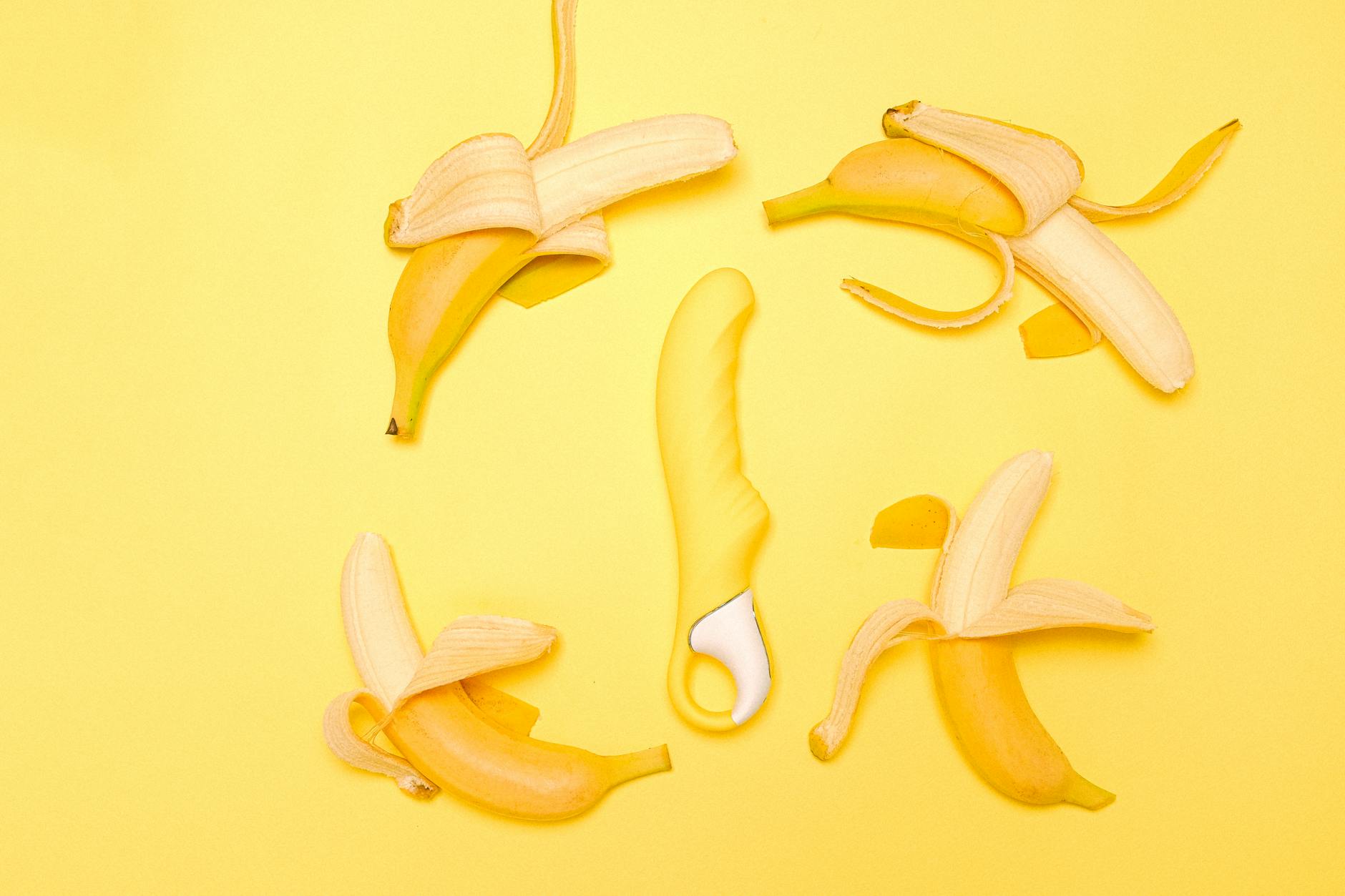
Let's talk about what "sensitive" actually means
Your clit isn't broken. But right now, it might be telling you that traditional vibrators feel like overkill. Maybe they're too intense, too numb-inducing, too one-note. Or maybe you're recovering from something—hormonal changes, friction irritation, pelvic floor tension—and you need stimulation that doesn't bulldoze its way through.
Here's what I've learned working with hundreds of people rebuilding their pleasure: traditional vibrators and lemon clitoral vibrators are not the same thing. They're different tools solving different problems.
The fundamental difference: suction versus friction
Most traditional vibrators work by vibrating. They buzz. The motor oscillates side-to-side or up-and-down at somewhere between 50 and 10,000 cycles per minute, creating rhythmic friction against your clitoris.
Lemon vibrators work differently. They use suction—a gentle, rhythmic pull that stimulates the clitoris without direct mechanical friction. Instead of your clit being vibrated against, it's being gently suctioned and released, again and again.
This matters because the clitoris has roughly 8,000 nerve endings concentrated in a tiny space. That density is why it feels amazing but also why it can get overwhelmed quickly. Suction stimulates those nerves differently than friction does. It's less like being drummed on and more like a gentle pulse.
Think of it this way: a traditional vibrator is like scratching an itch really fast. A lemon clitoral vibrator is like pressing and releasing, over and over. Same destination, completely different sensation.
Why sensitive clits respond differently to suction
There are several reasons why lemon vibrators often feel better when your clit is tender or overstimulated.
First, there's less direct pressure. With traditional vibrators, you're creating continuous friction against sensitive tissue. Even on a lower setting, you're creating heat and physical stimulation. Suction pulls without grinding. Your clit gets stimulated, but the tissue isn't being rubbed raw.
Second, suction concentrates sensation differently. Traditional vibrators stimulate a broader surface area—the entire head makes contact with your vulva. Lemon suction vibrators create a seal around the clitoral area, which means the stimulation is more localized and intense where it counts, but gentler on the surrounding tissue. For people whose clits are sore from too much friction, or who have vestibulodynia or vulvodynia, this matters.
Third, you have more control over intensity without the "numb" problem. Traditional vibrators on a low setting still vibrate. On a higher setting, they vibrate faster. The only variable is speed. But with a lemon vibrator, you're controlling suction strength. A lower setting sucks gently. A higher setting sucks more firmly. You get intensity without the buzzing sensation that sometimes numb people out or cause that irritating post-stimulation friction sensitivity.
Fourth, suction can feel more like partnered touch. Your fingers and mouth work through suction and pressure, not vibration. For people relearning pleasure after trauma, or rebuilding sensation after hormonal changes, lemon clitoral vibrators can feel more "human" and less mechanical.
When traditional vibrators work, and when they don't
I'm not saying traditional vibrators are bad. They're fantastic for some people, some of the time.
Traditional vibrators excel when you want fast, consistent, predictable stimulation. They're reliable. They're often cheaper. They're easy to use. If you want to finish quickly, or if your clit likes that kind of steady buzz, a traditional vibrator is still the right call.
Where they fall short:
During hormonal fluctuations. When estrogen is low—whether from menopause, certain birth control methods, or cycle timing—tissue becomes thinner and more sensitive. That vibration that felt great last month can feel irritating now. Suction stimulation is more tolerable because it's not friction-based.
After pelvic floor tension or physical therapy. If you've been working with a pelvic floor physical therapist, your clit might be extra sensitive for a while. Tight pelvic floor muscles often mean a sensitive clit. Lemon vibrators don't require the sustained friction that can re-irritate healing tissue.
If you have a history of yeast infections or friction sensitivity. Some people's vulvas just respond to friction by getting inflamed or developing infections. Suction-based lemon sexual toys eliminate that friction component almost entirely.
When you're recovering from numbness. If you've spent months or years using high-intensity traditional vibrators, your nerve endings get a little desensitized. Switching to a gentler, more localized suction tool can actually help your sensation recover. It's like giving your nerves a break and a reset.
The science of sensation recovery
Here's something most people don't know: your clitoris can fatigue. Continued high-intensity stimulation can temporarily dull sensation. This isn't permanent, and it doesn't mean you're broken. It's just how nerve endings work under sustained stimulation.
When you switch to a different type of stimulation—like moving from a traditional vibrator to a lemon clitoral vibrator—you're engaging different nerve pathways. You're asking your nervous system to pay attention to a new kind of input. Over time, this can actually restore nuance to your sensation.
I've had clients report that after using a traditional vibrator exclusively for years, they came back to gentler, suction-based lemon vibrators and felt things they'd forgotten they could feel. Not because anything was wrong with them, but because they'd shifted to a different type of touch.
What to expect when you switch
If you're coming from traditional vibrators and trying a lemon vibrator for the first time, it won't feel the same. It might feel better. It might feel weaker. Both reactions are normal.
My advice: don't judge it by the standards of what you knew before. The first few sessions, just explore. Start on a low setting. See how your body responds. Notice whether you can feel more detail in the sensation, or whether you find yourself getting to orgasm faster, or whether the stimulation feels better-tolerated by your tissue.
Also give your body time. If your clit has been used to high-intensity vibration, it might take a few weeks for your nervous system to recalibrate to gentler, suction-based lemon sexual toys. Patience matters here.
Pairing suction with lubrication
One practical note: lemon clitoral vibrators work better with a little lubrication. Not tons. Just enough so the suction seal works smoothly without creating friction as it moves. Water-based lube is your friend here. Silicone lube can work too, but it's harder to clean off afterward.
The lube serves two purposes. First, it helps create that seal so the suction sensation is clear and focused. Second, it adds another layer of protection for sensitive tissue. You're not creating any friction at all because the lube creates a smooth interface between your clit and the toy.
Solo versus partnered use
If you're using a lemon vibrator with a partner, the experience can feel really different from solo exploration. A partner can hold it, angle it, vary the intensity in real time, and respond to your cues. Some people find that lemon clitoral vibrators feel more partnered because they're less about raw power and more about attention and responsiveness.
If you're going solo, you have more control and privacy to explore what actually feels good without performing or adjusting to someone else's rhythm. Either way works. The point is that the experience of suction-based stimulation opens up different possibilities than traditional vibrators do.
When to stick with traditional and when to explore lemon vibrators
Stick with traditional vibrators if: your clit loves that buzz, you have no sensitivity issues, and high-intensity stimulation consistently gets you where you want to go.
Explore lemon clitoral vibrators if: you're experiencing sensitivity, recovering from numbness, dealing with hormonal changes, rebuilding after trauma, or just curious whether a different sensation might surprise you.
Honestly though? Many people benefit from having both. Different moods, different body states, different partner dynamics—they all call for different tools. The clit doesn't want the same thing every time.
The bottom line
Lemon vibrators and traditional vibrators aren't rivals. They're different approaches to the same goal: pleasure that works for your body right now. Suction-based lemon sexual toys tend to feel gentler, more focused, and more tolerable when your clit needs a break from friction and intensity. Whether that's true for you is something only your body can tell you. And that's okay.