The honest part nobody mentions
Hormonal birth control does change pleasure. Not in the way the internet catastrophizes about it, but in real, measurable ways that affect how your body responds to stimulation. And if you're using a lemon vibrator or thinking about switching to one, understanding those shifts can transform your experience from frustrating to genuinely pleasurable.
Let me be clear: these changes don't mean anything is broken. They mean your body is working exactly as designed. But design and desire don't always align seamlessly, especially when hormones are involved.
What hormonal birth control actually does to arousal
Hormonal contraceptives (the pill, patch, ring, shot) suppress your natural hormone cycle. Instead of fluctuating estrogen and testosterone throughout the month, you get a steady, lower baseline. That stability is great for preventing pregnancy and managing period symptoms. It's less great for spontaneous arousal.
Here's what changes physiologically: testosterone drops. Yes, people with vulvas produce testosterone, and it's one of the primary drivers of desire and genital sensation. When it's suppressed, many people notice desire feels more muted. Arousal takes longer to build. Lubrication may feel lighter or less reliable.
Estrogen also stays lower and steadier than it would naturally. This affects clitoral blood flow and tissue sensitivity. The clitoris is highly responsive to estrogen fluctuations, so a flattened hormone curve can mean a slightly flattened pleasure response. Some people barely notice. Others find that achieving orgasm feels less inevitable, more effortful.
The surprise for many is that this doesn't mean less pleasure is possible. It means pleasure requires different conditions.
Why lemon vibrators work differently on hormonal contraceptives
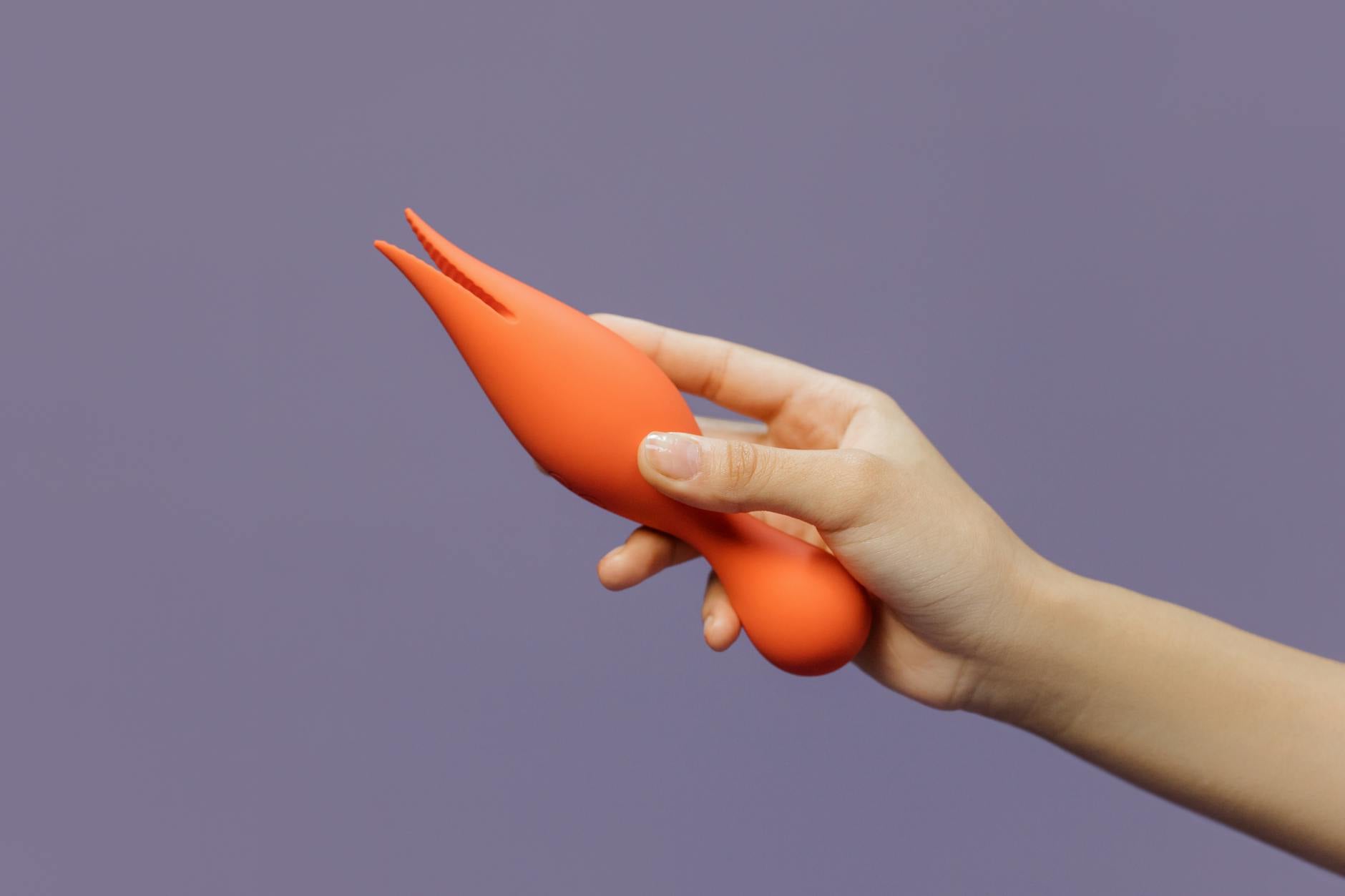
A lemon vibrator uses suction and gentle pulsation rather than rapid vibration. This matters when hormonal contraception is involved because suction stimulates the clitoris through a different neural pathway than traditional vibrators.
Where a standard vibrator relies on rapid oscillation to trigger nerve endings, a lemon sucker creates sustained stimulation and gentle rhythmic pressure. When your body is running on lower baseline testosterone and steadier estrogen, that difference becomes noticeable.
Many people on hormonal birth control report that they struggle with traditional vibrators on high settings. The constant buzzing feels too intense or somehow numbing rather than pleasurable. A lemon clitoral vibrator, by contrast, builds sensation gradually. It doesn't assault the nervous system. It invites it.
This is especially true during the luteal phase of the pill cycle (days after you finish active pills), when hormone levels drop even further. The gentler approach of a lemon vibrator becomes almost essential for many.
How to adjust your settings based on your cycle
If you're on a traditional 21-7 pill pack, you still have a hormonal rhythm, just a flattened one. The week you're off pills, your hormones dip lower. You might find you need settings 2-3 on your lemon vibrator during that week, while the second or third week of active pills might feel good at settings 4-5.
This is completely normal. It doesn't mean anything is wrong. It means you're paying attention to your body.
For people on continuous or low-dose pills, the variation is smaller, but it's still there. Many find that setting 3 becomes their sweet spot year-round. It's enough stimulation to build genuine sensation without the intensity that can feel overwhelming on a lower hormone baseline.
The key is experimentation without judgment. Try different settings across different weeks and note what feels good. After a few cycles, patterns emerge.
Why lubrication matters more on hormonal contraceptives
If you're on birth control, lubrication isn't optional. Your body may produce less natural lubrication, especially during the pill-free week. This isn't a sign of low desire. It's just biology.
Water-based lubricant works best with silicone toys like the lemon vibrator. A good slick layer means the suction works more effectively because there's proper contact between the toy and your skin. Without it, even the gentlest lemon vibrator can feel uncomfortable or ineffective.
Many people make the mistake of assuming that using lube means something is wrong. The opposite is true. Using lube means you understand your body and you're optimizing your pleasure. That's the whole point.
When the pill might actually improve your pleasure experience
Here's the counterintuitive part: for some people, hormonal birth control actually makes pleasure easier, especially with a lemon vibrator.
If you had wildly fluctuating hormones before, with unpredictable arousal patterns and weeks of lower desire, birth control can feel like a leveling. The baseline stays lower, yes, but it's consistent. Predictability has its own value. You know what to expect. You can prepare.
For people who use a lemon sucker regularly, this consistency means you can dial in your preferred settings and keep them. No surprises. No weeks where suddenly everything feels numb or hypersensitive.
Additionally, if you had period-related pain that affected your ability to enjoy penetrative sex, hormonal contraception often eliminates that friction, which means lemon vibrators can be incorporated into partnered sex more comfortably than before.
The mental shift that matters most
The biggest change many people notice when starting hormonal contraceptives isn't physical. It's psychological. The baseline anxiety about pregnancy drops. For some, that anxiety has been quietly suppressing arousal for years.
Without that mental background noise, pleasure becomes possible in new ways. A lemon vibrator or any toy becomes a tool for genuine exploration rather than an attempt to force a response you've been too anxious to access.
This is also why communication with a partner matters during the first few months on a new contraceptive. Your desire landscape may shift. You might need more warm-up time. You might want longer sessions. You might find that you actually want sex more often once the anxiety lifts. All of these are normal and common.
When to question whether birth control is right for you
If hormonal contraception kills your desire completely after three to six months, that's worth investigating. Some people genuinely don't do well on hormonal methods. That's not a failure. It's useful information.
Switching pills can sometimes help. A different formulation or hormone ratio might feel better. But if you've tried multiple formulations and desire stays suppressed, a non-hormonal method like copper IUD or condoms might be a better fit.
Don't assume you have to choose between reliable contraception and pleasurable sex. If a method isn't working for your body, there are alternatives.
What you'll notice in the first month
Give yourself time. Pleasure changes happen gradually on hormonal contraceptives. The first month is usually the worst for side effects. By month three, most people have adapted.
Your lemon vibrator might feel different in week one. In week two, you'll figure out your preferred setting. By month three, you'll have a routine that works. This is normal progression, not a sign something is wrong.
Keep a simple note on your phone: which setting felt best, which day of your cycle, what else was happening (stress, sleep, partner dynamics). After a few cycles, patterns become obvious.
FAQ: Hormonal Birth Control and Lemon Vibrators
Does hormonal birth control permanently lower orgasm intensity?
Not permanently. It may feel lower initially, especially in the first few weeks. By month two or three, most people report that orgasms return to baseline or sometimes feel more intense because the anxiety of pregnancy risk has lifted. A lemon sucker often helps because the gradual suction-based stimulation matches how your body is actually responding during this adjustment period.
Can I use my lemon vibrator the same way on and off hormonal birth control?
Probably not. Most people find they need to adjust settings based on where they are in their cycle. During the pill-free week, you might prefer settings 2-3. During active pill weeks, settings 4-5 might feel right. This adjustment is normal and expected. It's actually a good sign that you're listening to your body.
Does the type of birth control matter for pleasure?
Yes, somewhat. Combination pills (estrogen plus progestin) affect hormones differently than progestin-only methods. Some people find the pill affects desire more noticeably than the patch or ring, even though they contain the same hormones. This is highly individual. What works beautifully for your friend might feel wrong for you.
If I just started birth control and my lemon vibrator doesn't feel good, should I stop using it?
Not necessarily. Give it three weeks. Your body is adjusting to new hormones. Your pleasure response will shift. A lemon vibrator is often easier to adjust to than traditional vibrators during this transition because you can use lower settings. If after a month it still doesn't feel good, reach out to your gynecologist. It might be a sign to try a different pill.
Will switching birth control methods affect how my lemon vibrator feels?
Yes, probably. Switching from the pill to the patch, or from one pill to another, changes your hormone baseline slightly. You might find your preferred settings shift again. This is temporary. Give yourself a full cycle to adjust before deciding anything isn't working.
Is it normal for my desire to be higher or lower at specific times on the pill?
Completely normal. Even though hormonal birth control is more steady than your natural cycle, you still have variation. The week you're off active pills, hormones dip lower. The second or third week of active pills, they're at their highest (though still lower than natural peak). Desire often tracks this pattern. Use your lemon vibrator during the times that feel best and don't stress about the fluctuations.
The bottom line
Hormonal birth control changes your pleasure landscape. A lemon vibrator is one of the best tools for navigating that shift because suction-based stimulation works with your body's changed responsiveness rather than against it. The adjustment period is real, but it's temporary. After a few cycles, you'll understand your new baseline and what works for you.
Your pleasure matters. It deserves attention and adjustment, not resignation. If you're struggling with desire or orgasm on birth control, try adjusting your approach to stimulation before assuming something is broken. Often, a lemon clitoral vibrator makes all the difference.
Have questions about how your specific birth control method might affect your pleasure, or need personalized guidance? Reach out to Hello Nancy and let's talk through what might work best for your body.